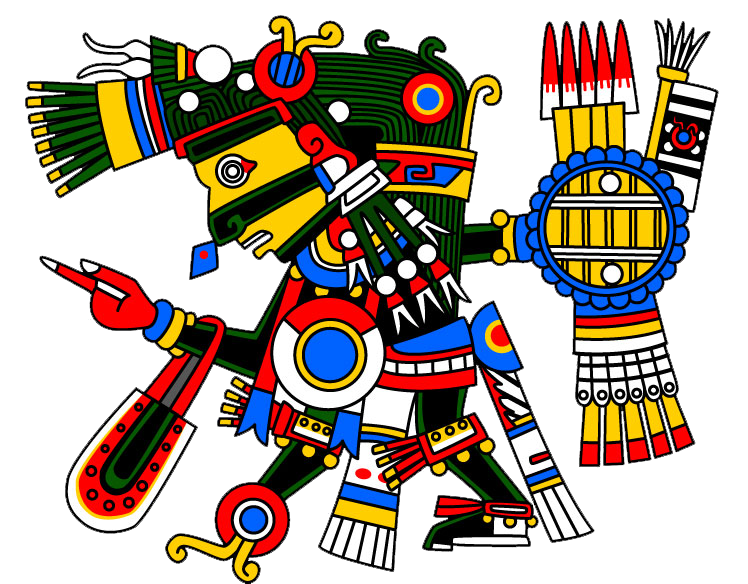
Tezcatlipoca, or 'One Leg'
NO. 1
Tezcatlipoca is the god of the night sky, hurricanes, obsidian, conflict, and providence. When depicted, he usually wore a talisman with a disk worn as a chest pectoral. While depicted with black and yellow stripes painted across his face, he is usually shown with his left foot replaced with an obsidian mirror, bone, or snake, as it was lost to the sea monster Cipactli in the mythos. In the Aztec religion, he was the central deity. In Aztec or Mesoamerican folklore, he and other gods could shapeshift, and he was no different as his counterpart was the illusive but powerful jaguar, which is why he is known as the jaguar god.

NO. 2
This figure is extremely popular, worshipped by the Mayan and Olmec communities. His name in the Mesoamerican language means ‘Smoking Mirror.’ This deity has numerous epithet’s which allude to different characteristics, like Ipalnemoani ("He by Whom We Live"), and Necoc Yaotl ("Enemy of Both Sides"), and Tioque Nahuaque (‘Lord of the Near and the Night’), etc. His power to omnipresence was more a connection that extended far beyond obsidian, since ritual bloodletting and human sacrifice was conducted with obsidian. Apart from being a creator god, he was also a trickster and ruled over the modern Aztec pantheon.
NO. 3
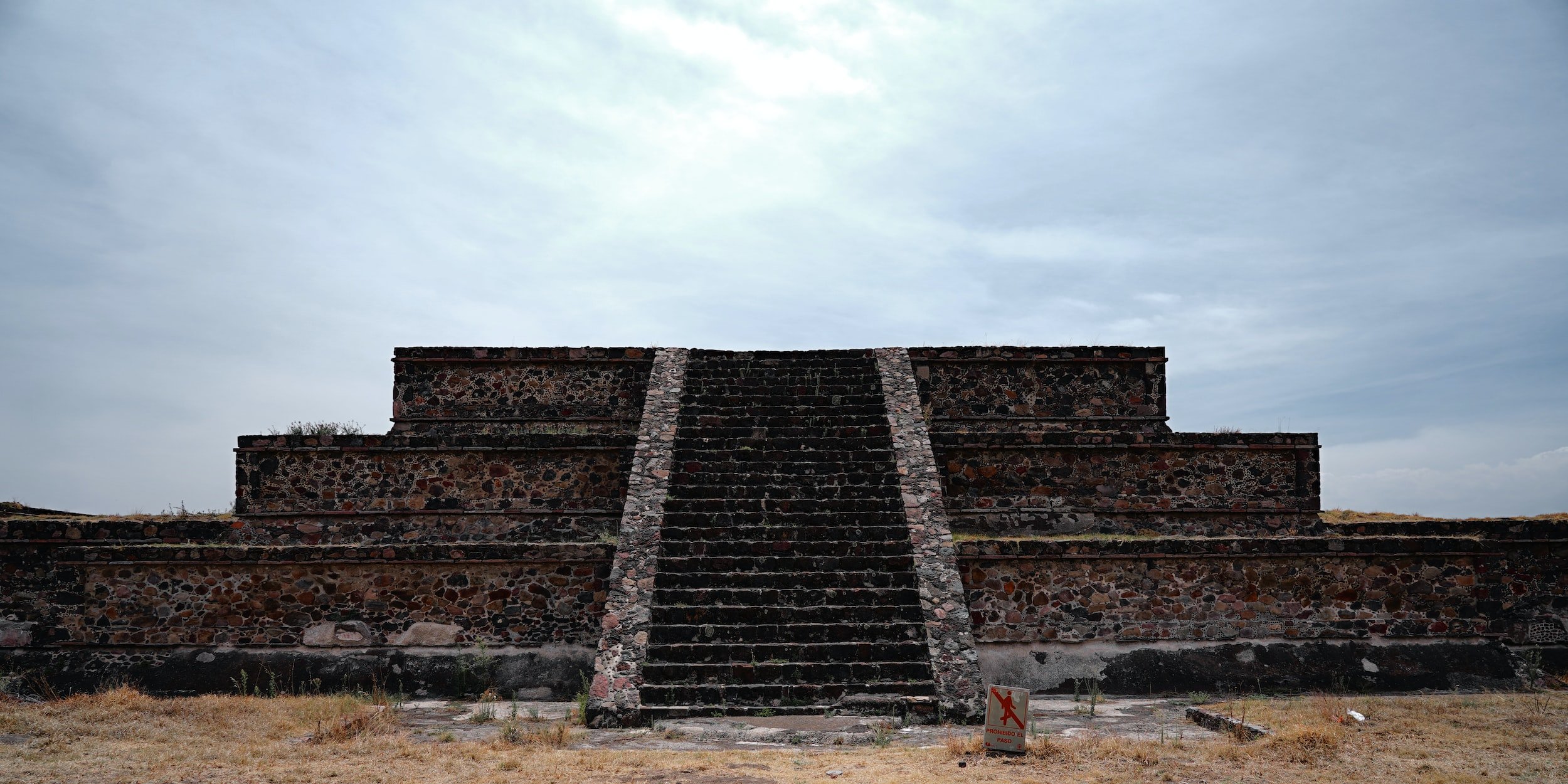
Tezcatlipoca, according to Aztec mythology, was born to the primordial creator deities Ometecuhtli and Omecihuatl, and had four siblings; one of whom, Quetzalcoatl, the god of the wind, patron of priests, and inventor of calendars and books; he was known as the Serpent Feathered god. The brothers feuded as much as they worked together, working towards the same goal but sometimes in opposition towards each other. After being born, this deity spent over 600 years for his youngest brother Huitzilopochtli to grow flesh before Tezcatlipoca and Quetzalcoatl, together, made the world. Before the world was made, the only thing that was technically alive were a few gods, a massive ocean and the sea monster, Cipactli, which Tezcatlipoca successfully lured away and killed by using his foot as bait. Both brothers were able to create the world on the sea monster’s body.
Warrior Women!
NO. 1
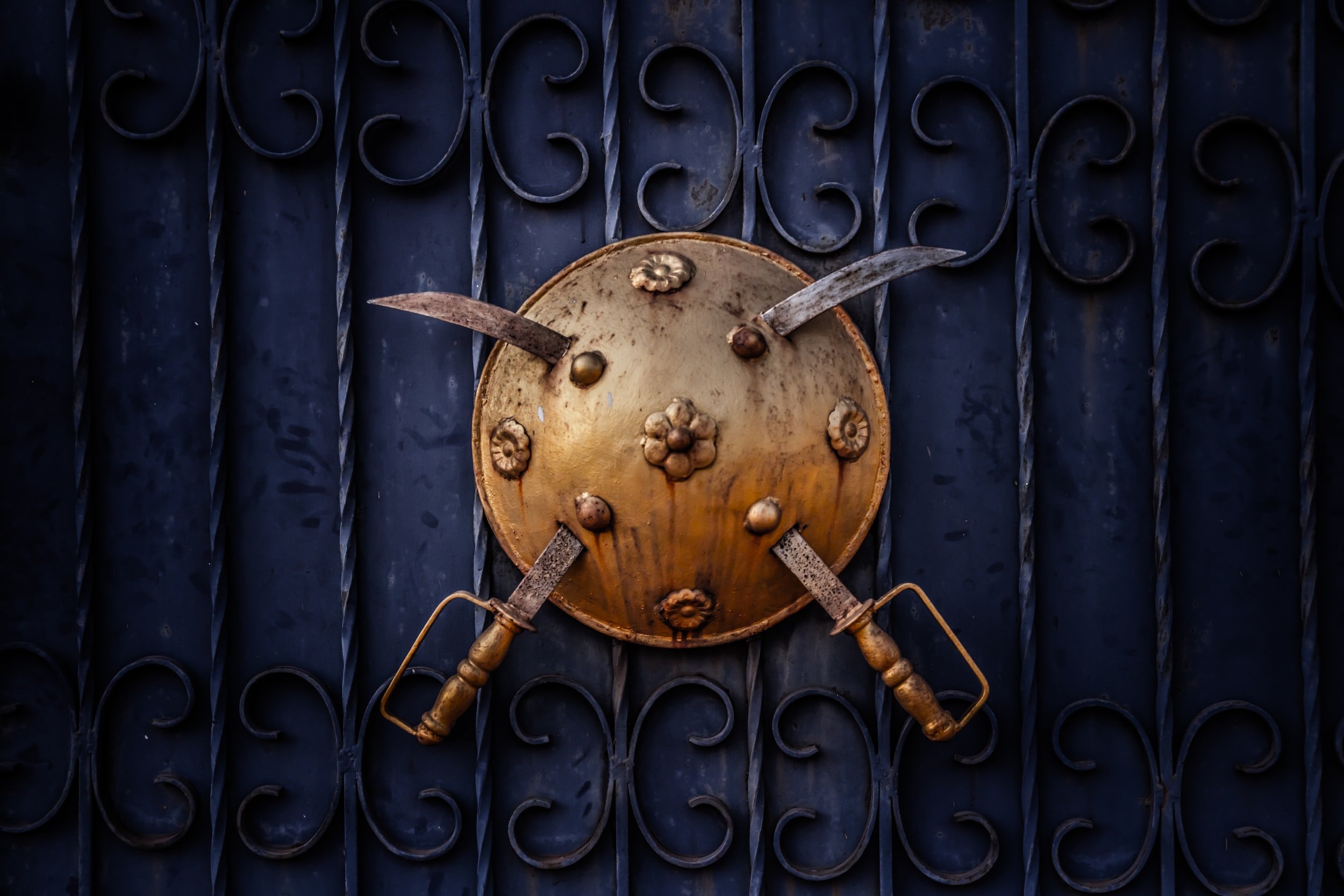
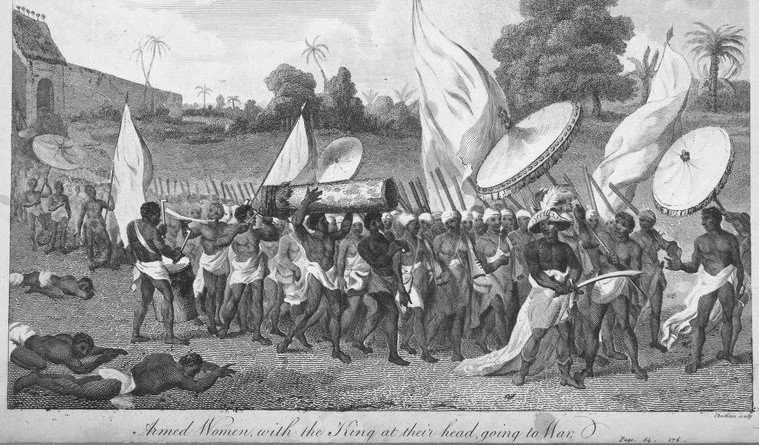
Many women were able to fight in battles, defend their kingdoms, and take up leadership roles, titled ‘warrior women,’ throughout the centuries. Their stories are inspiring and motivational for women everywhere to continue to be independent, strong, and courageous. The Dahomey Amazons were a real-life all-female warrior militia that existed from the 17th century to the 19th in the kingdom of Dahomey, today Benin of West Africa. They resulted from the male population facing high casualties from war and frequent violence from neighboring West African states, and the king at the time, King Houegbadja, implemented them. They called themselves the Mino, meaning ‘Our Mothers,’ in the Fon language, and were recruited as young as eight. Some voluntarily enrolled, while others involuntarily by their fathers or fathers. The Dahomey women warriors earned their reputation as fierce warriors, often earning the praise of enemies that they defeated in battle.
NO. 2
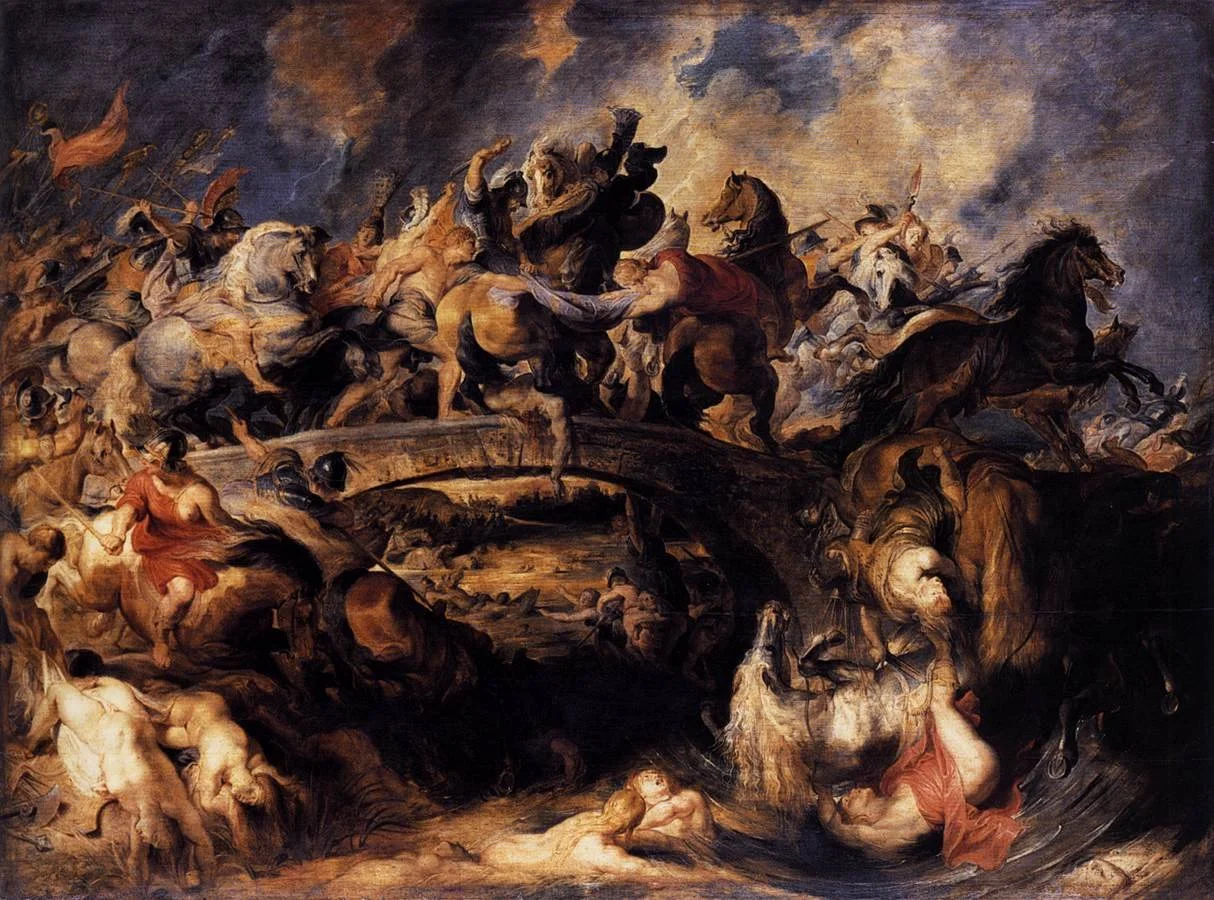
For the Greeks, they had the Amazonians; several tales from Greek mythology have been written about them. They were raised to fight from birth, where they would defeat and kidnap male warriors and keep them as enslaved peoples, mated with them, and kept their daughters raised as Amazons while having their sons be returned to their fathers. In one tale, the fight against the mythical Heracles, where one of his labors was to obtain the girdle from queen Hippolyte, the queen of the Amazons. They weren’t just mythical though; they were just real as well. Many burial sites revealed that ‘‘In the grasslands of inner Asia, from the Black Sea to western China, Scythian women had the same skills as their men: wielding bows, riding and herding animals, fighting – and dying from their injuries. Their remains have been found in tomb mounds from Crimea to western China.’’
NO. 3
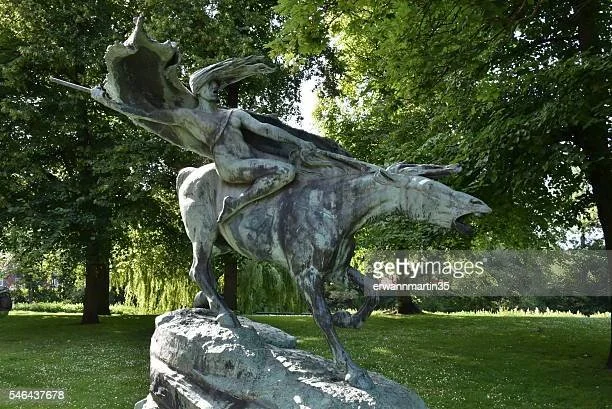
The Valkyries were the Norse equivalent of female warriors, who, in mythology, guide the souls of the noblest of the dead to Valhall. Many famous poems and Eddas are centered around these famous warriors of Odin, king of the gods. Still, we’re not talking about mythology but actual female Viking warriors. In 2019, archaeologists uncovered the remains of a decorated female warrior from the 10th century, proving women held high-status positions in Viking culture. ‘‘Several weapons were buried alongside the body, including a sword, armor-piercing arrows, a battle knife, an axe, a spear, and two shields, indicating that the skeleton was likely that of a warrior. Accompanying the wide array of weapons were two horses, a full set of game pieces, and a gaming board. The gaming pieces suggest that the person buried was a high-ranking combatant who was knowledgeable of strategies and tactics.’’

The tale of the Kuchisake-onna
The tale of the Kuchisake-onna dates back to the 17th to 19th century in Japan and is described as a woman mutilated, with her mouth split from ear to ear. The tale has various origins, claiming that she either was the adulterous wife or mistress of a great samurai that he became so outraged at hearing his wife was unfaithful that he slashed his wife’s mouth from ear to ear as punishment. Other tales claimed that she was once a great beauty and a jealous woman cut her; or that she had a dental procedure gone wrong. Either way, she died of the blood loss, and she came back as a malevolent spirit who appears to you and asks, ‘Am I pretty?’ Or, ‘Am I beautiful.’
She appears on a usually foggy night to a stranger, according to Kuchisake-Onna | Creepypasta Wiki | Fandom, haunting different places, wearing a mask that hides her face. She will stop a person and ask you directly, ‘‘Do you think I’m beautiful?’’ The person will usually answer, ‘‘Yes,’’ causing her to lower the mask to show off the hideous bloodied scars and ask, ‘‘What about now?’’ If you say no, scissors will appear in her hand, and she will slash you to death. If you still say yes, she will give you the same markings that show on her face, leaving you with the same fate. ‘‘There are several ways to prevent this terrible fate. One, to confuse Kuchisake-Onna by saying: "You are average." Two, present her with hard amber candy, which she'll take much delight in and let you go. Three, say ‘Pomade’ six times, and she will flee. Four, ask her if you are beautiful, which will confuse her hopefully long enough to escape. But be wary. She is said to be incredibly fast and will be unlikely to stop.‘‘
So if you see a strange woman on the street wearing a mask to stop you and ask the words, ‘Am I pretty/Do you think I’m beautiful?’’ I suggest that you adopt an NYC attitude (I can say this, I am from New York) and drop some candies before walking or sprinting away!
Ra, the Sun Deity
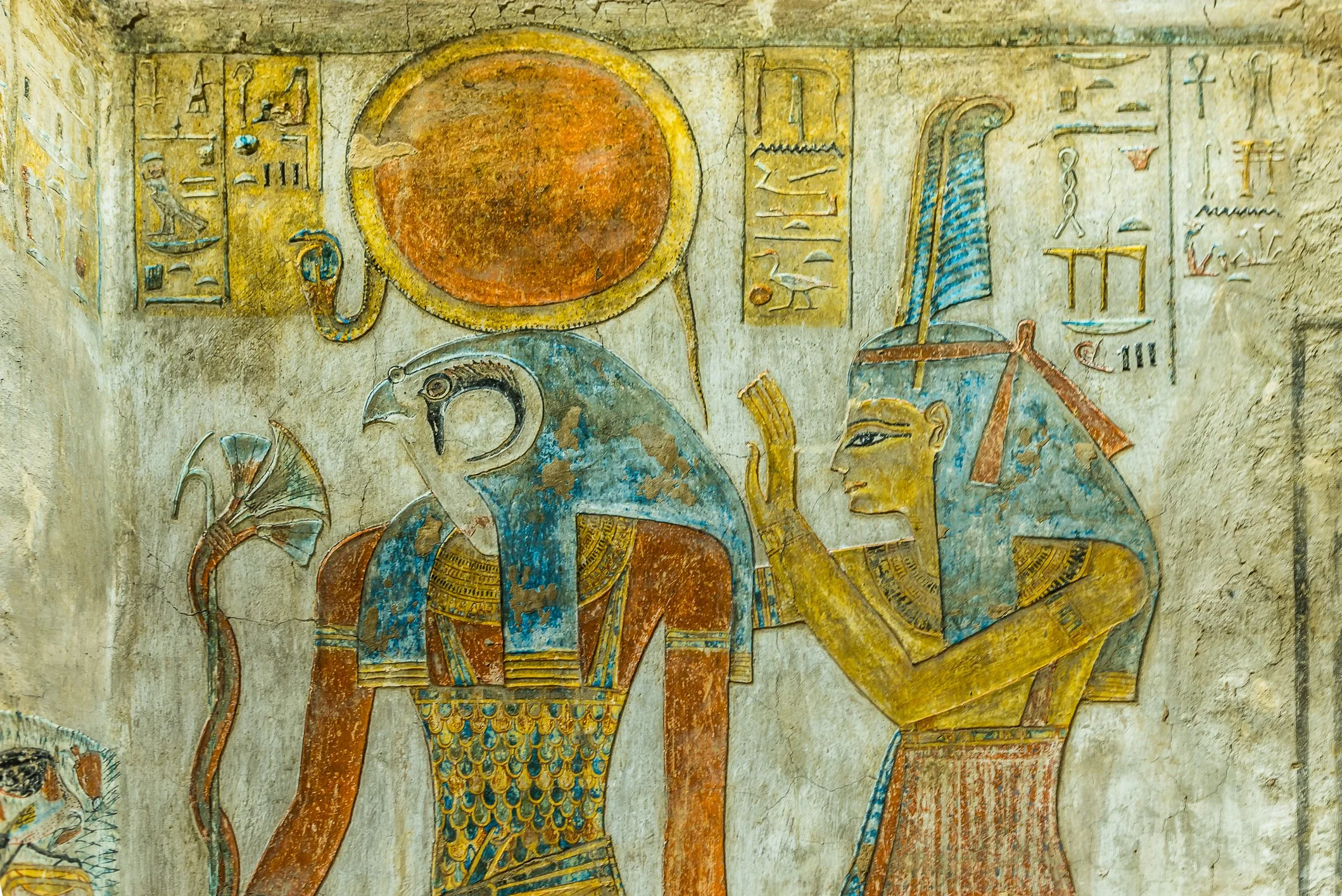
There are many versions of Ra. ‘Ra’ is the Egyptian word for the sun, and since we are talking of the Egyptian pantheon of gods, he was the oldest of them all and later merged with others such as Horus, becoming Ra-Horakhty (the morning sun), Amun (as noonday sun), and Atum (the evening sun) associated with primal life-giving energy. As a solar deity, he was the sun riding in his ship during the day and descending into the underworld come night.

In Egyptian mythology, it is said he battles the giant serpent Apophis every time he goes to the underworld to start the end of the world and prevent the sun from ever-rising and destroying life on Earth forever. Ra was the most important god of Egypt and the most popular one, as he emphasized 'life-giving/bearing.' Worship of Ra was established in the Old Kingdom with the development of funerary rituals dedicated to the god. His image appeared on all royal monuments since the First Dynasty. Later emperors adopted the name “Ramses” as a religious title after the king's grandfather, who was also known as Ramesses I.
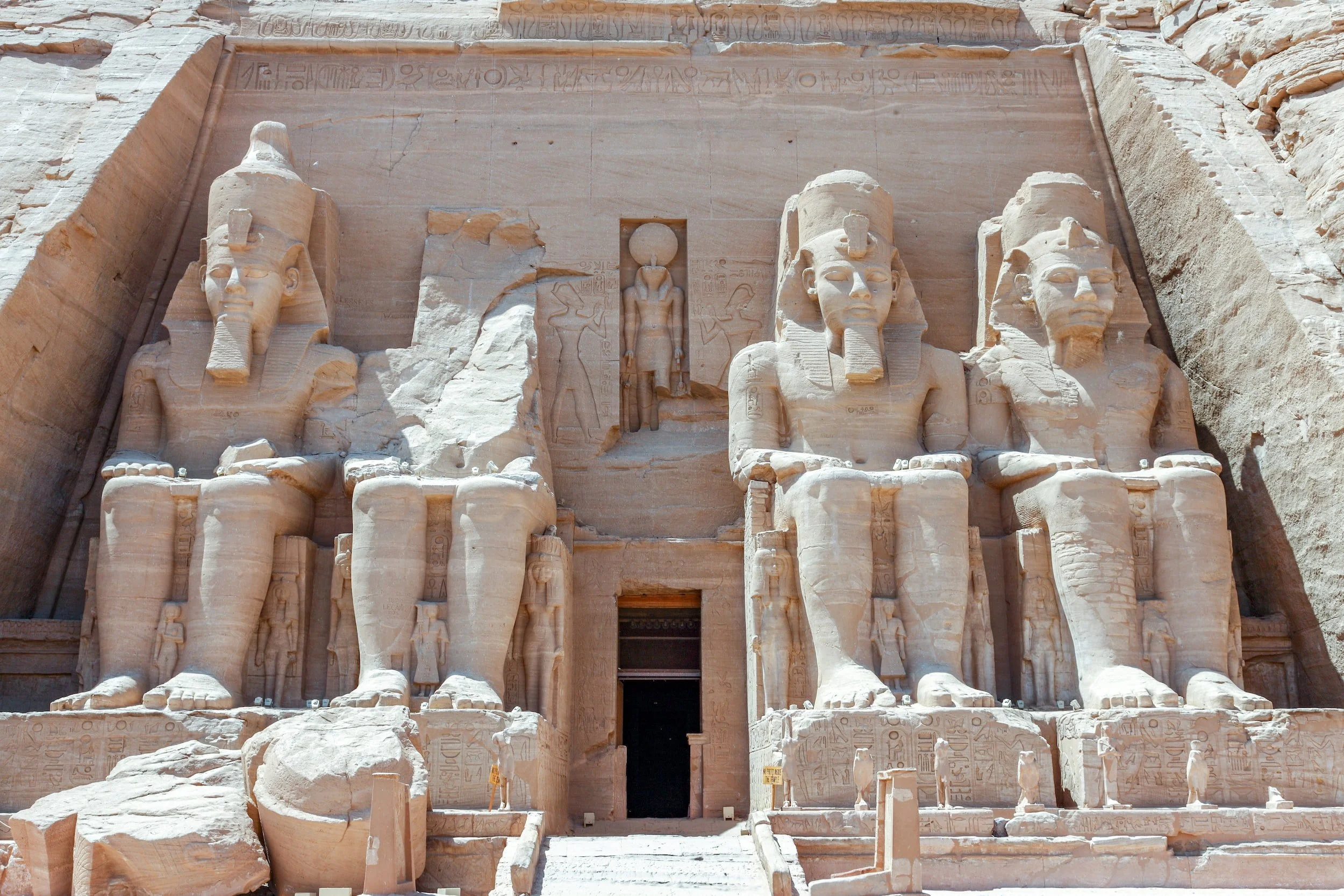
The most famous representations of Ra are is found on the Narmer Palette, a ‘‘hieroglyph of King Menes, which established Egypt’s first state religion around 3100 BC. The earliest known depiction of the god appears on one of the oldest surviving mummy masks, dating to the Middle Kingdom. This mask portrays the King wearing the headdress and chest ornaments that were worn by high priests of the temple of Ra during the Middle Kingdom period. Over time, the ram’s head symbol of Ra became widespread in Egypt, including appearing on the King’s banners and on temples as well as royal palaces.’’
Ra is a solar deity that is associated with light and rebirth. Throughout the history of mankind, the Sun has been considered the source of life for humanity, and therefore it has been used as a symbol by many religions to signify divinity. The Sun is associated with Ra because it is at his temple that the rays of sunlight would be most intense, shining on the statue of the god as if inviting him to shine on mankind. The ancient Egyptians believed that their civilization was founded by the gods of the sun. They associated the rising Sun with life and creation and used it to represent the passage of time – between each day and each month, the Egyptians measured the passing of time by counting the hours and minutes until the rising of the Sun again.
Krampus, the legend!
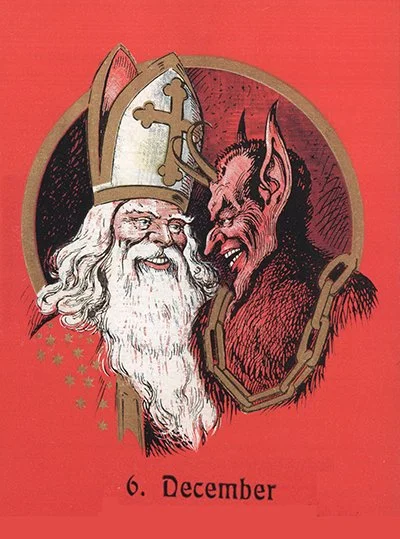
During the Christmas season, every young boy and girl awaits their presents and gifts with eagerness, hoping for Santa to make their way to their homes. The saying, you better watch out, you better not cry, you better not pout is the official song for Santa Claus as he is checking his list for all the good boys and girls. But for those who are naughty children, the invention of the famed horned goat Krampus who works together with St. Nick.

NO. 2
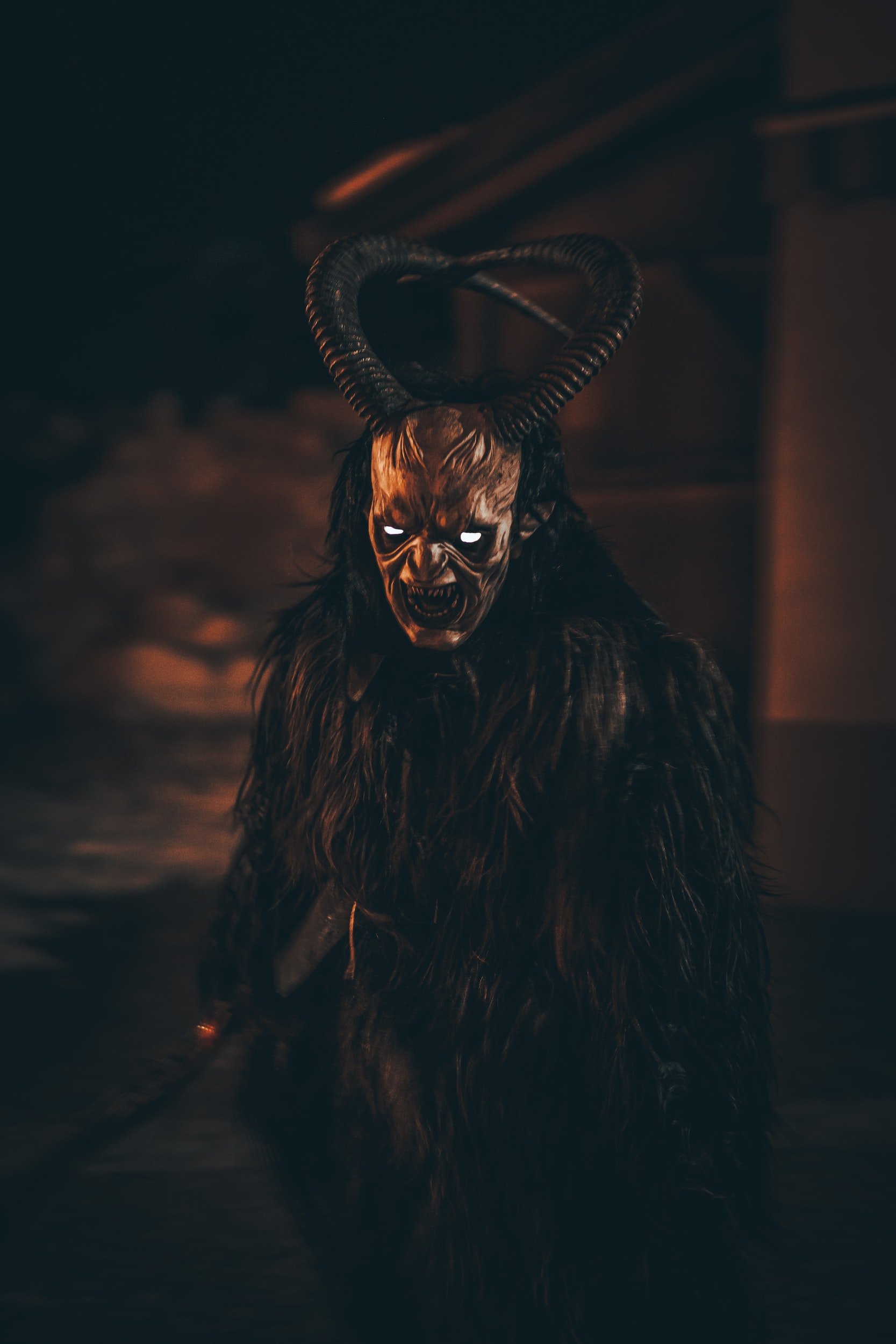
Created in Eastern European folklore, Krampus, meaning ‘claw’, is depicted as a horned, half-demon like monster who terrorizes naughty children, hitting them and beating them with whips, other versions having him with chains, sometimes shaking them to scare the children, equipped with a sack or a basket strapped to his back, to cart off the children chosen to be either eaten or dragged to Hell. He even has a holiday dedicated just to him, celebrated in Germany and now, because of the film, in America as well, called Krampusnacht, or Krampus Night, on December 6. In this long and very funny tradition, spectators dressed up as Krampus appears in the streets, visiting homes and business, along with his devilish accomplices, evil elves and imps, the total anthesis of Santa Claus, who help Krampus scare people and onlookers in the streets.

NO. 3
Because of the resurgence of the celebration of Krampus in the late 19th century, including popular greeting cards with his image and funny rhymes and poems, not to mention the many horror movies or TV shows in North America, gaining traction and popularity every time Christmas comes around. Or maybe it’s because of the intense, heavy commercialization around Christmas time, meant for family and friends. So, here’s the question, do you celebrate Krampus, or Christmas as a whole, or do you think he’s just a myth better left to the children?
Santa Muerte
The history and celebration of Santa Muerte!
NO. 1
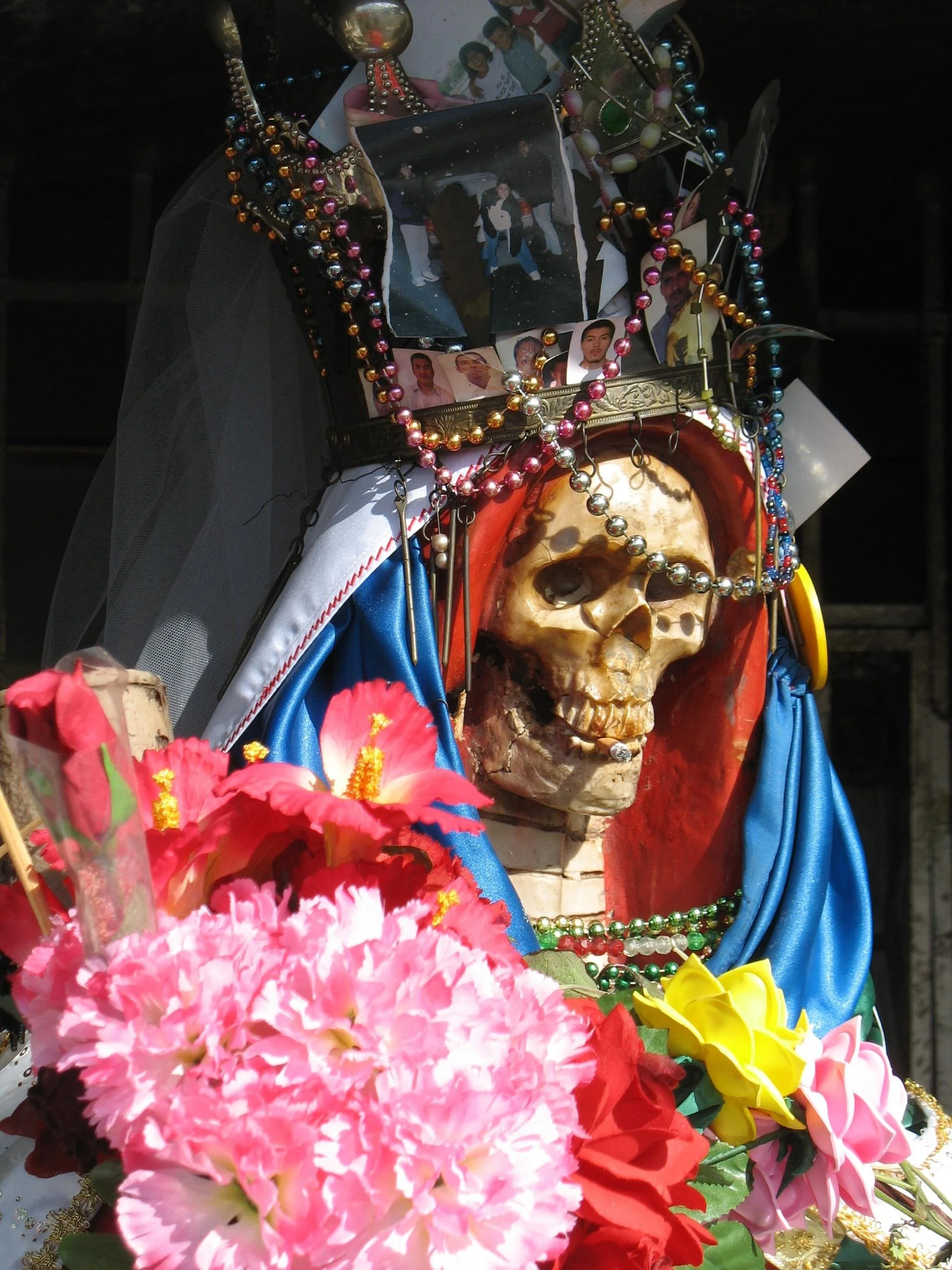
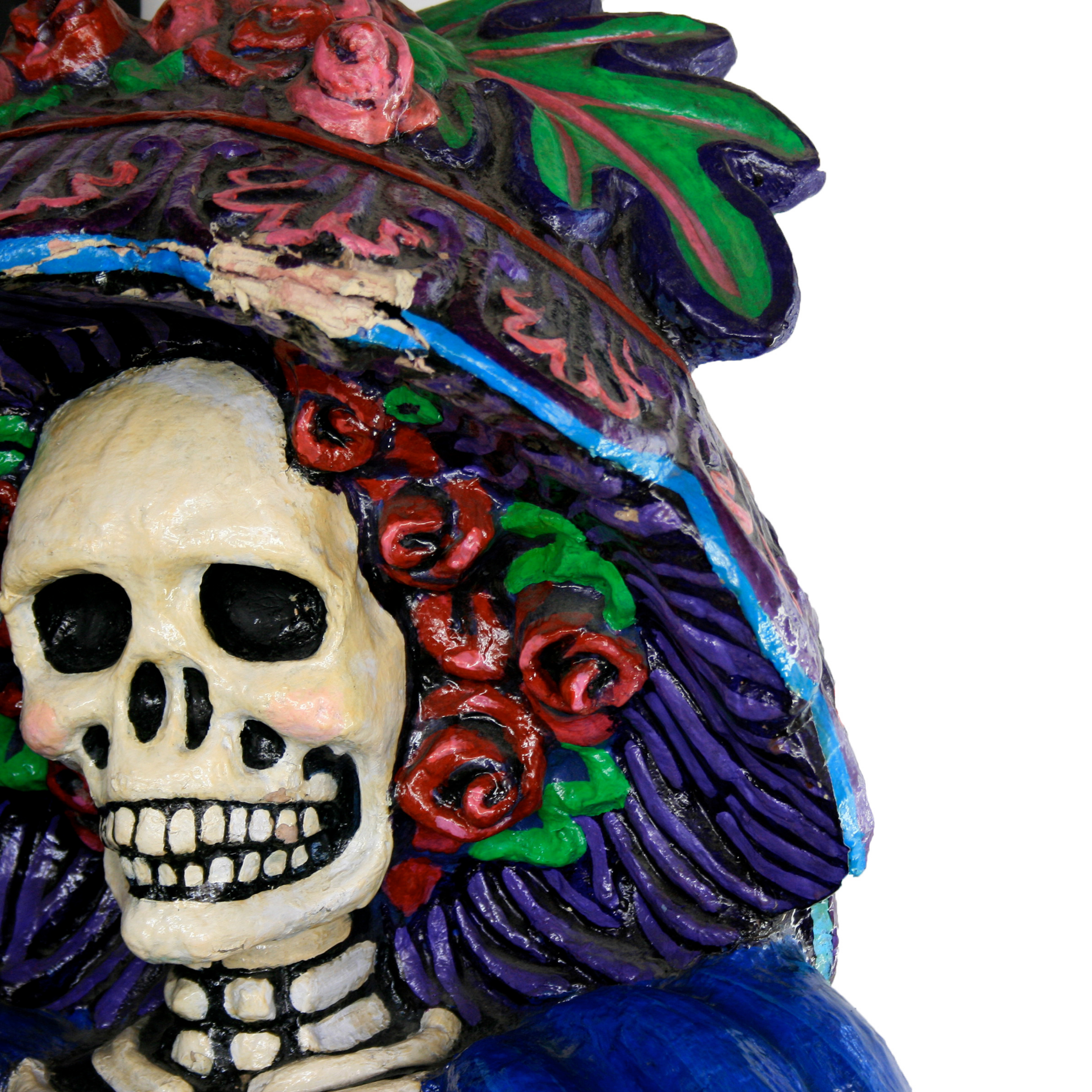
A skeletal figure dressed in robes or dressed in the virgin’s shroud, Santa Muerte is both the Grim Reap-ress and the Angel of Mercy. She is the personification of death, and her full title, Nuestra Señora de la Santa Muerte as she is well known as, brings an ambiguous and malleable identity that is associated with healing, protection, and safe delivery to the afterlife by her devotees, as her following, especially in 21st century is being celebrated all over South America, but especially Mexico City to the United States and Canada.
NO. 2
Even though Christian missionaries and leaders condemned the religion, Santa Muerte ‘‘offers hope to a society threatened with hopelessness. In the colorful barrios of Mexican culture, the figure of Death is ubiquitous. With the lure and dangers of narco-culture, the violence among competing youth gangs, the haunting realities of an economy in collapse, and the gravel fight to survive in a Tepito marketplace; Mexicans face the reality of death on a daily basis. Santa Muerte, the image of death, protects them from uncertainties in their everyday lives. When Death is the only guarantee, it seems like Death is the only one to be trusted.’’ The worship of Santa Muerte began in the mid-20th century and was clandestine until the 1990s, were most prayers and other rites have been performed traditionally at home. Now in the 21st century, worship has become a more public thing. Santa Muerte has a male counterpart in the U.S, called the skeletal folk saints San La Muerte of Paraguay and Rey Pascual of Guatemala.
NO. 3
So, what caused the worship of Santa Muerte to become a massive, worldwide following? Drug violence, for one, and loss of faith in Christianity. ‘‘Former Mexican president Felipe Calderon’s declaration of war on the cartels in 2006 was received with praise by North American politicians, as in their view, it seemed that the Mexican government was finally taking a strong stand against the cartels and that there would be a swift resolution to the social problems associated with drug trafficking. This open war declared on the cartels resulted in an escalation of drug violence and forced several dramatic changes in the safety of Mexico and its already chaotic social scene. Military personnel, paramilitary groups, and the cartels have been fighting for control of the country and have created a state of panic in the border towns and beyond. The panic and violence in the north have begun to gradually make it’s way south and reach areas that were once ‘safe’. According to the BBC from 2006 to 2012, more than 50,000 individuals have died from drug-related violence. Amidst the drug-related instability, the once strong and influential Mexican Catholic Church has been losing credibility, support, and members. The loss of faith in the Catholic Church could be caused by many factors: general pessimism, individuals searching for other forms of faith, and the result of the church’s support for governing political parties.’’

NO. 4
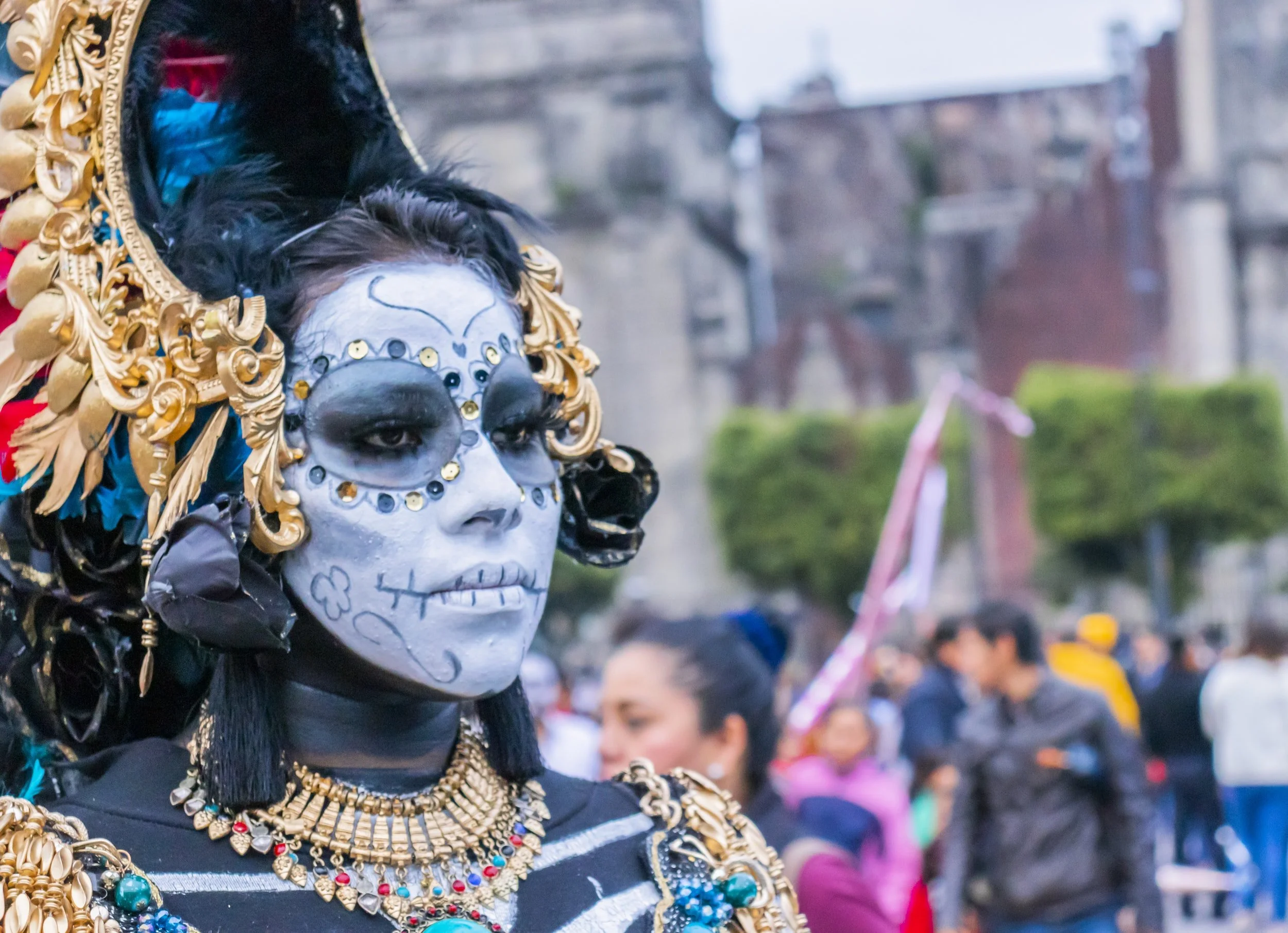
Who is Santa Muerte? Anthropologists and historians J. Katia Perdigon Castaneda and R. Andrew Chestnut agree that the veneration of Santa Muerte is a combination of Catholic imagery and rituals from Meso-American pre-Hispanic gods and rituals. There is a common list of names for the goddess, such as Mi Nina, (My little girl), La Nina Bonita (the Pretty Girl), La Madrina (the Godmother), and Mi Amor (My Love)—adoring names that tighten the relationship between devotee and saint. There are darker allegations like Senora de la Sombras (Lady of the Shadows) or La Negra (the Black Lady). There is also La Hermana Blanca (The White Sister) and Hermana de la Luz (Sister of the Light). She is celebrated on the Day of the Dead, November 1st and 2nd. better known as Dia De los Muertos.
the Legend of the Holy Grail
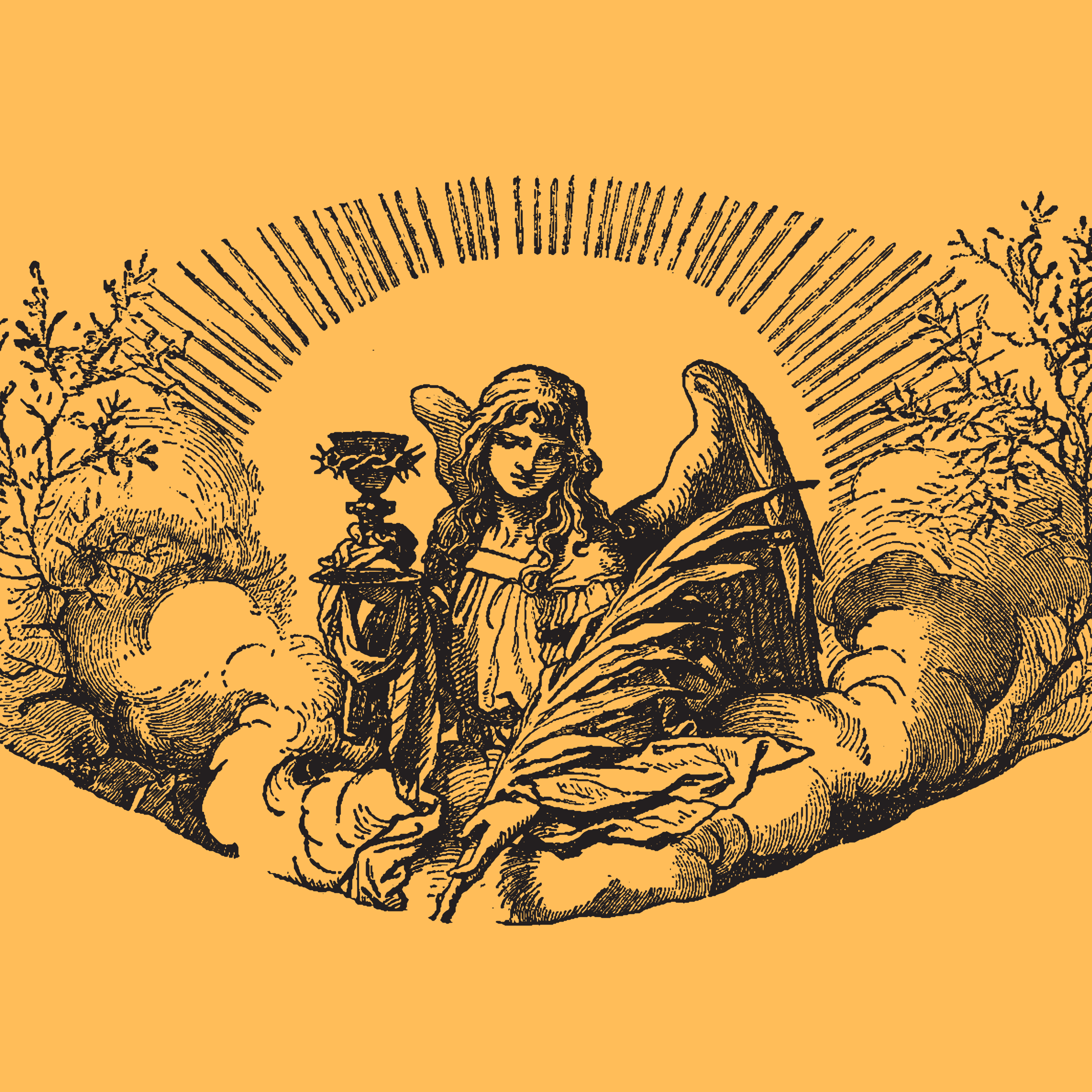
The Grail legend is one of the most popular and reiterated myths told around the world. The legend is basically connected to the King Arthur tales as well, as the king and his noble knights embark on a heroic quest in search for the ‘Grail’, a shining cup claimed to be the sustainer of all life or a mysterious vessel that provides sustenance, which is guarded in a castle that is difficult to find.
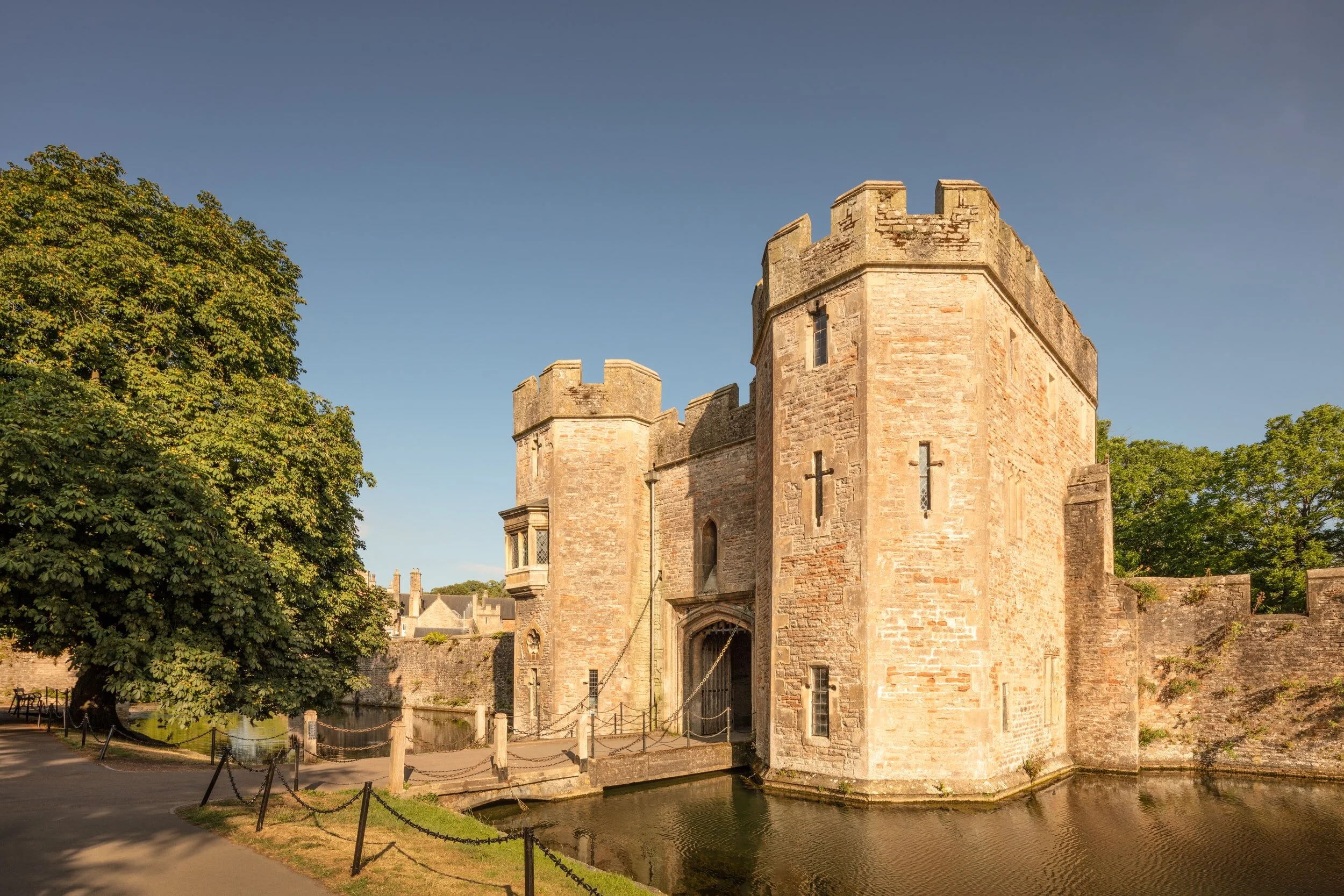
The first Grail legend first appears in an unfinished romance called Perceval ou Le conte du Graal by Chretien de Troyes dated to about 1190. The basic outline would be the mysterious vessel being guarded in the castle, and the owner of that castle is sickly or unable to care for it; the surrounding land would almost always be barren, and the owner can only be restored if a brave knight finds the castle, and after seeing a ‘mysterious procession’, asks a certain question. If he fails at this task, everything will remain as before, and the search must begin again. After many adventures, the hero knight returns to the castle and asks the correct question which, hereby cures the king and restores the land. After, the knight succeeds the wounded monarch and becomes king instead, and becomes the guardian of the castle and its contents. The Crusades were the backdrop of this awesome tale, and the fall of Jerusalem occurred in 1187 just before the legend appeared as a literary motif, and Chretien’s romance was written at the behest of his patron, the crusader knight, Count Philip of Flanders.

‘‘In Chretien’s romance, the knight Perceval sees the grail during a feast at a mysterious castle controlled by the Fisher King, a lame man whom he had met before. Chretien calls the object simply ‘un graal’, and its appearance is just one of the unusual events which take place during the feast. Indeed at this time, Perceval is also shown a broken sword that must be mended. The two objects together, sword and grail, are symbols of Perceval’s development as a true knight. Chretien died before he could finish the romance, but the story was completed by other writers. The Continuations, as they are referred to in critical literature, expand several themes and the grail gradually acquires a more ‘sacramental’ character. The First Continuation is also incomplete and the author is unknown, but it can be dated before the year 1200. Besides Perceval, Gawain also has a grail adventure (the womanizing Gawain is the type of the perfect worldly knight and regularly forms a contrast to Perceval in these romances). During a procession which Gwain sees, ‘the rich grail’ (as it is now called) floats about the hall and provides food for all; the bleeding lance is later identified as the Lance of Longinus (the spear used by Longinus to pierce Christ’s side at the Crucifixion) and the broken sword belonging to a dead knight who is laid out of the bier. He who mends the sword will know the secrets of the grail castle (thereby strengthening the link between sword and grail.) Other medieval writers took up this theme; Burgandian poet, Robert de Boron, also wrote, at the behest of a crusader patron, the Lord of Montfacon, produced three romances, Joseph d’ Arimathie, Merlin, and Perceval. All these romances treat the grail theme, even into the context of Christ’ passion.’’
The Holy Grail legends are not only entertaining, with valiant heroes and dangerous but awesome quests, but they also speak of patience and knowledge that these heroes gain along the way. Perceval and Lancelot aren’t heroes because they are searching for a beguiled, golden chalice, but for greater understanding of themselves. These legends have been written and re-written for ages, and even in the modern years, people are still fascinated by the great quest for the Holy Grail. I know I am.
The tale of Lilith
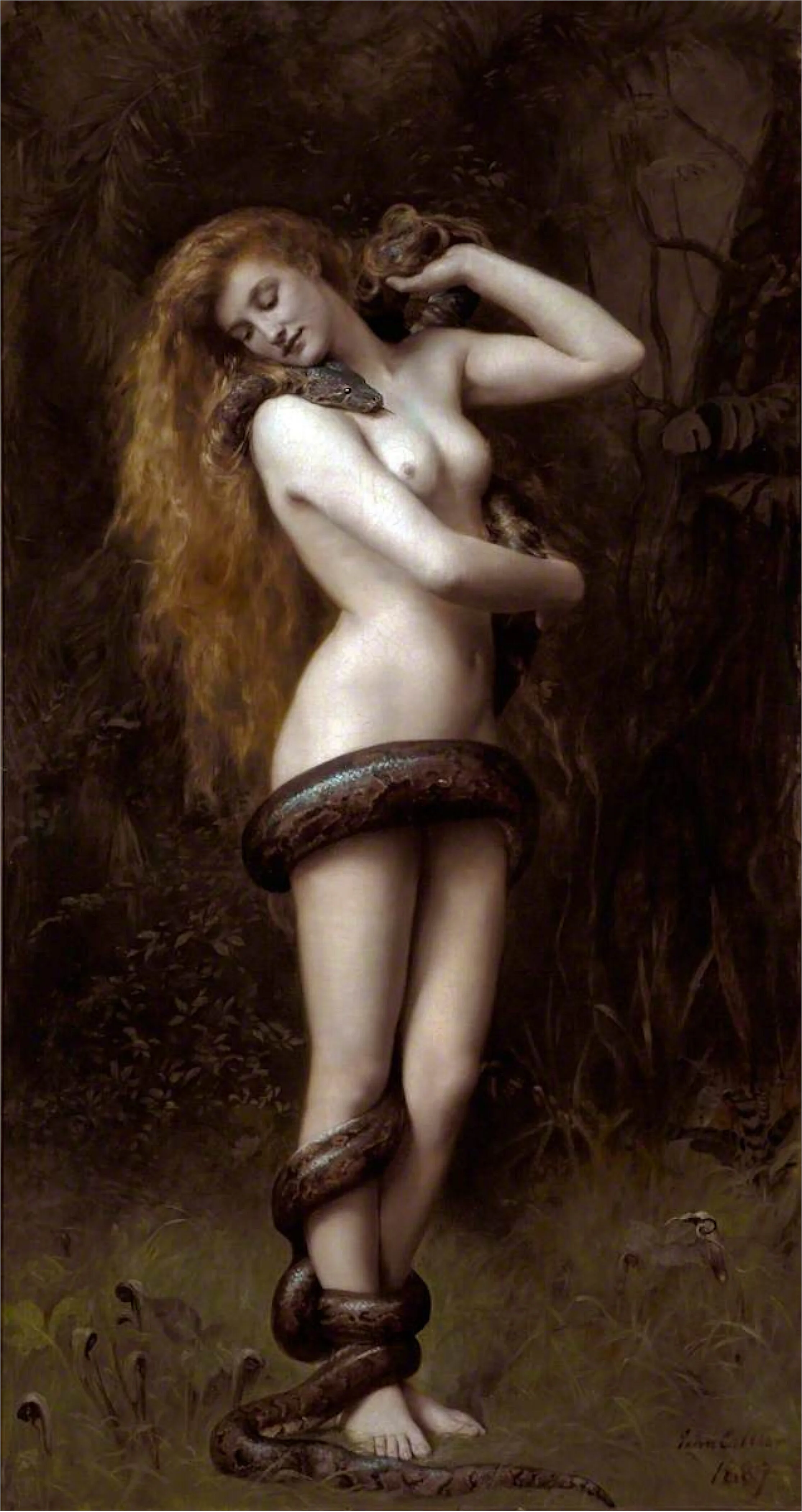
There are a lot of accounts about the ‘demon-ness Lilith’, and her origin story leads a lot to be desired. Apparently, she was the first wife of Adam in Sumerian folklore, and because she did not want to be under Adam’s control any longer, and became, depending on which account you read, a vampire, a demon-ess, or a harlot, or all three, for not wanting to be apart of ‘God’s plan.’ The Sumerian accounts, taken from the 3rd millennium, were the first accounts of what happened to her before the biblical Hebrews surmised of her.
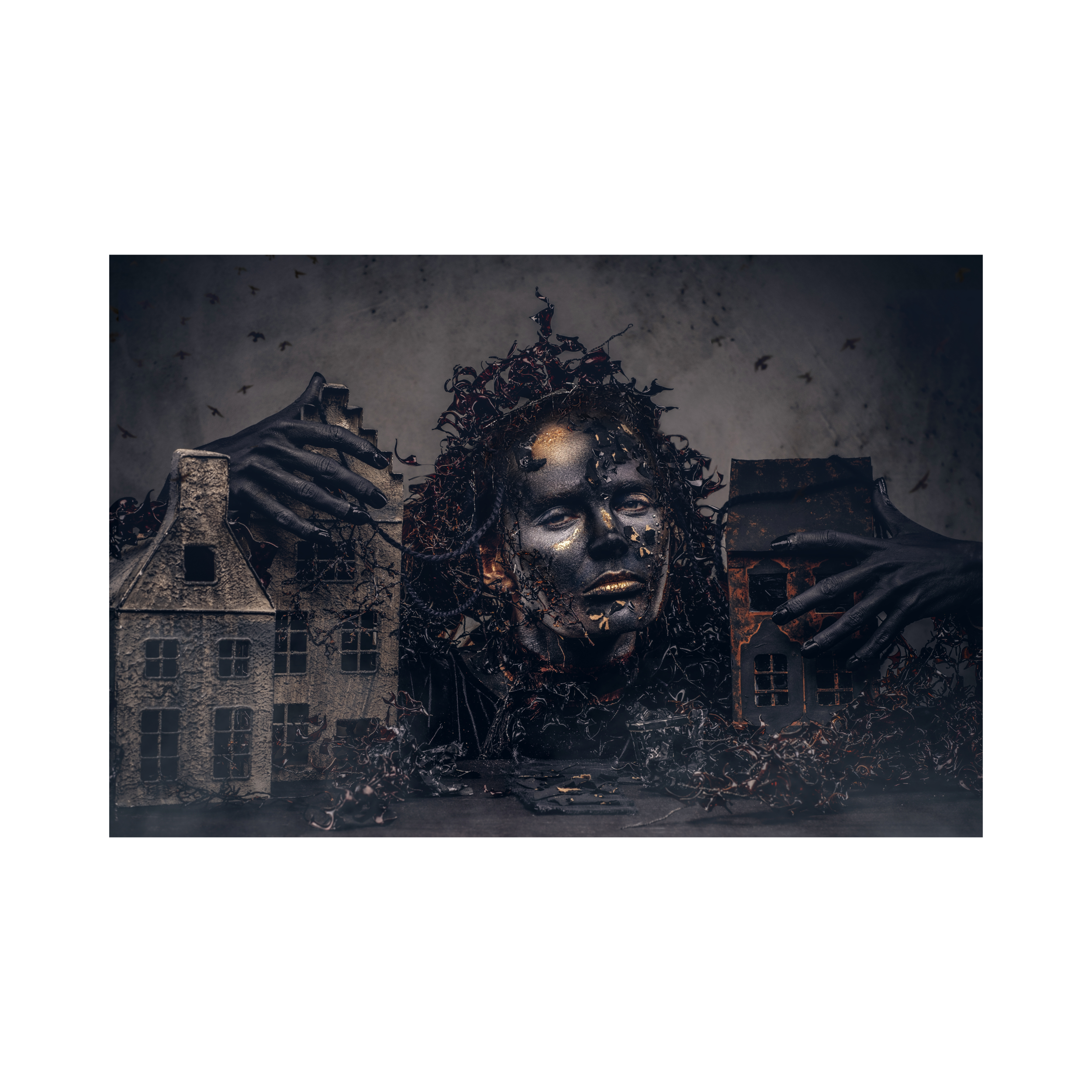
She is described as a ‘beautiful maiden’ but was believed to be a harlot, who once took a lover, offered no satisfaction to him, nor would she ever let him go. According to the Sumerian epic, dating from around 2000 B.C, ‘Gilgamesh and the Huluppu Tree’ and was ‘‘believed to appear to have human eyes. She is slender, well-shaped, beautiful, and nude, with wings, and owl feet. She stands erect on two reclining lions which are turned away from each other and are flanked by owls. On her head, she wears a cap embellished by several pairs of horns. In her hand, she holds a ring-and-rod combination. Evidently, this is no longer a lowly she-demon, but a goddess who tames wild beasts, and as shown by the owls on the reliefs, rules by night.’’
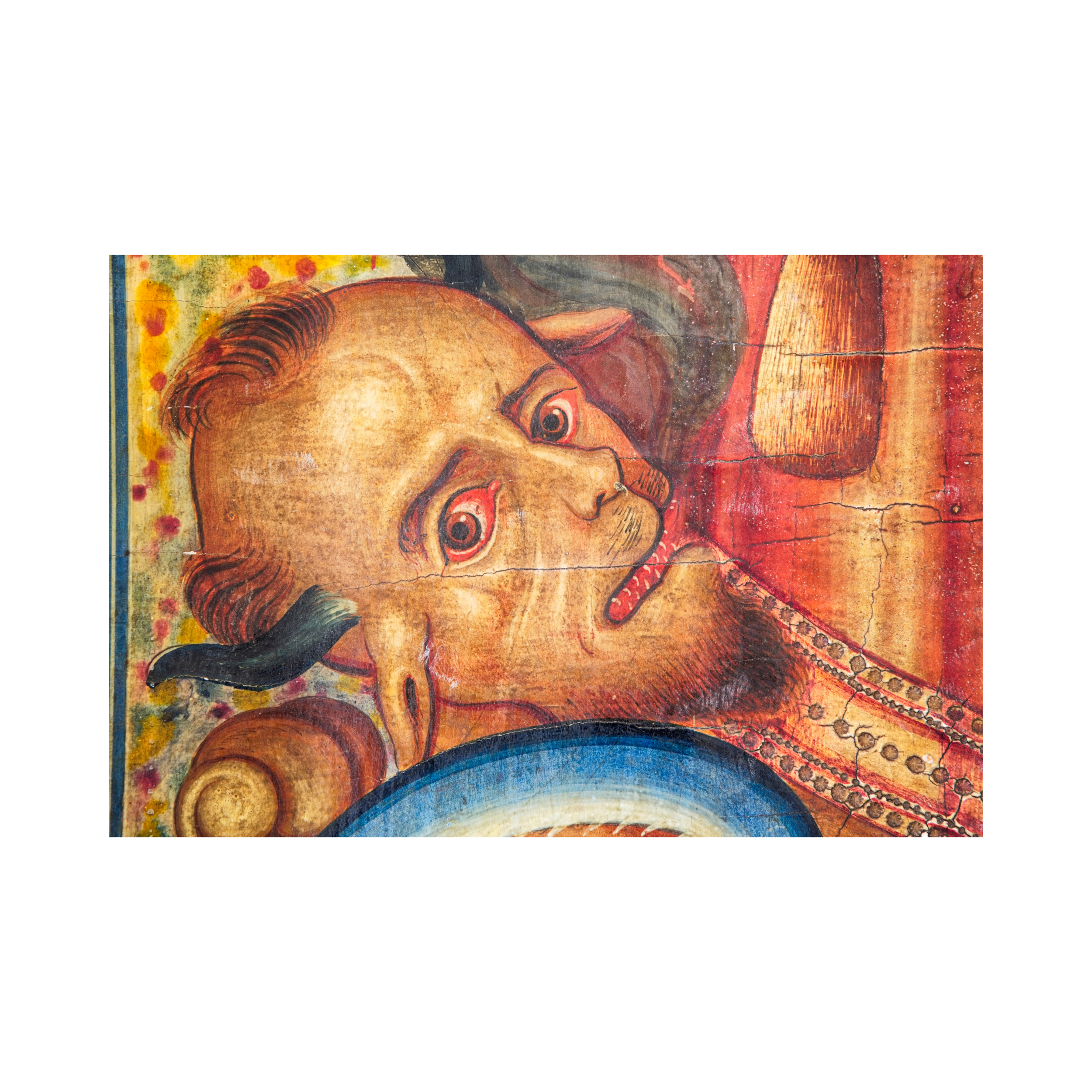
Apparently, the earliest mention of the ‘she-demon, whose name is similar to that of Lilith is found in the Sumerian king list which dates from around 2400 B.C. ‘‘It states, that the father of the great Gilgamesh was a Lilu-demon. The Lilu was one of four demons belonging to an incubi-succubae class. The other three were Lilitu (Lilith), a she-demon; Ardat Lili, or her handmaiden, who visited men in the night and bore them ghostly children. There is also the tale of the Irdu Lili, who was her male counterpart and would visit women and beget children by them. Originally these were storm demons, but because of a mistaken etymology, they came to be regarded as night demons. On one brief reference to Lilith in the Bible, Isaiah 34:14, in describing Yahweh’s (God) day of vengeance, says: The wild cat shall meet with the jackals, And the satyr shall cry to to his fellow, Yea, Lilith shall repose there, And find her a place of rest.’’
The Labyrinth
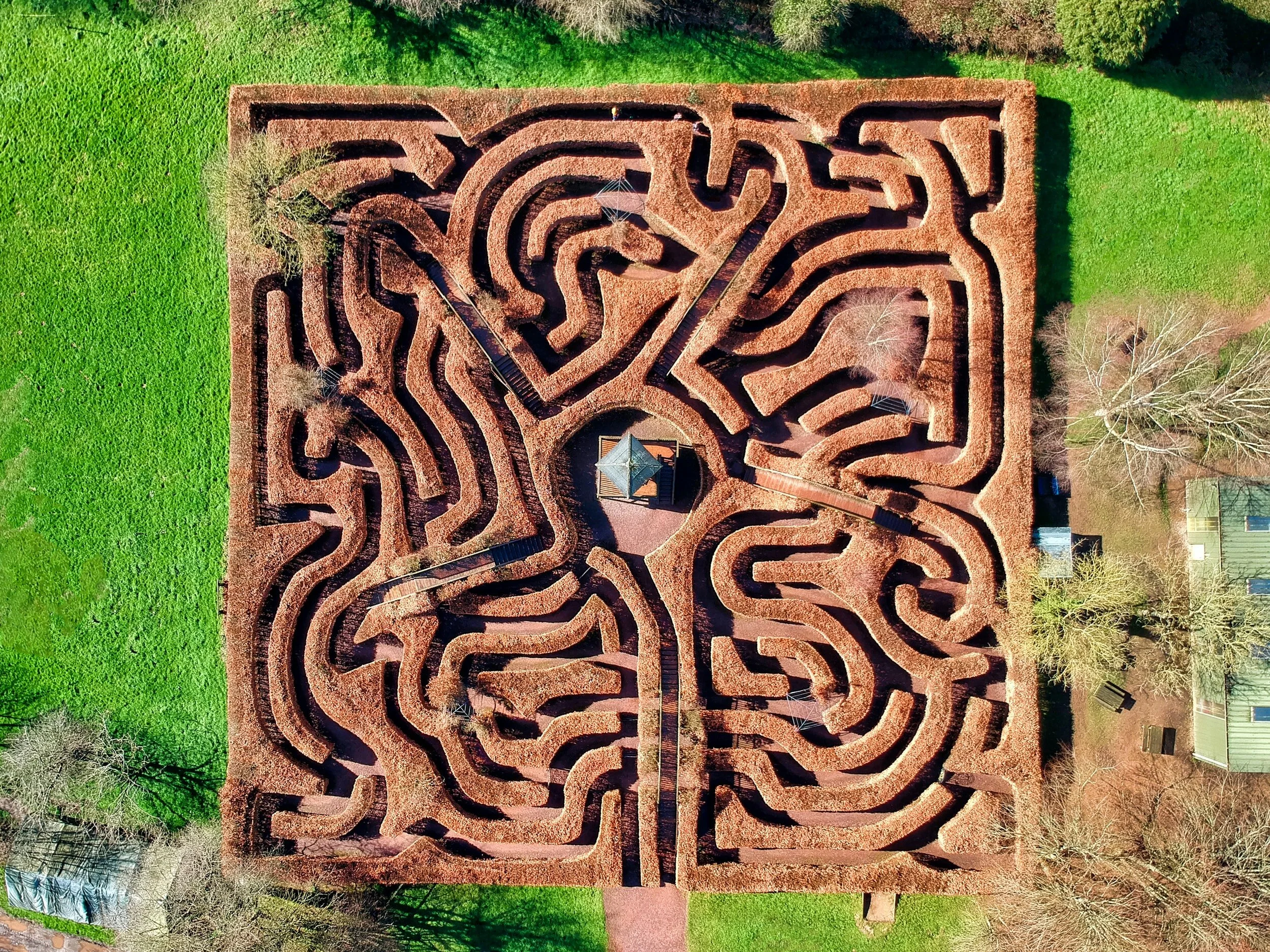
Labyrinths from mythology are described more as mental quests, a challenge of the mind for the hero to overcome. Labyrinths are a deadly loss of misdirection, physically and mentally. The most famous story is the creation of the labyrinth, created by Daedalus, the greatest inventor and master craftsmen in all of Athens, Greece, for King Minos of Crete to conceal his monstrous son, the Minotaur, a creature half-man, and half bull. Theseus, the hero of this myth was sentenced as a sacrifice for the Minotaur but was helped by King Minos’ daughter Ariadne, who gave him a pure thread to retrace his steps and slay the monster.

Several films, poems, and books talk about labyrinths and then some. Labyrinths are seen as grand symbols, as human beings have been fascinated with them since the beginning of time. The journey of the maze is the main character having to dive into a physical as well as mental underworld of sorts. ‘‘ ‘Labis’ is the Greek term for the double-headed ax. The earliest images of labyrinths. Their passageways like ripples or echoes radiating from the form of a double-headed ax; The acquisition of language, the mind-body problem, the question of meaning, of free will, consciousness. And the nature of that innate faculty of the ethical. Robert Morris says, ‘‘ideals, the admirable, right and wrong, the good, logic, principles. All connected in any given form of life. But maybe down deeper things are simpler.’’

Every corner of the world covers the symbolism of the linear one-way labyrinth as a pathway towards the center, towards salvation, God, and the tree of life. Trees play an important role, as they are connected to the labyrinth, they too are connected to the symbols of life, in Christianity and paganism. It is the archetype of the human experience and self idealization and leads us down a quest where the only way is through, emotionally, psychologically, and physically. The labyrinth is an ancient symbol that relates to wholeness, combining the imagery of the circle and the spiral into a meandering but purposeful path. It represents a journey to our own center and back again out into the world. ‘‘They [Labyrinths] have long been used as meditation and prayer tools. They have been found in ancient Crete, Egypt, and Etruscan; they have been inscribed on Neolithic tombs. They are a call to the center, a worship structure where the eternal beloved waits to be encountered. The labyrinth has always been associated with unity with God and conversation with the divine, with spirituality, worship, and the sacred mystery. Long ago, Christians were expected to travel to the holy land at least once during their lives. But as travel was often both difficult and dangerous, labyrinths were designed as alternative pilgrimages. If travel was out of the question, spiritual merit could be gained by walking a labyrinth.’’

The Origins of Fairies
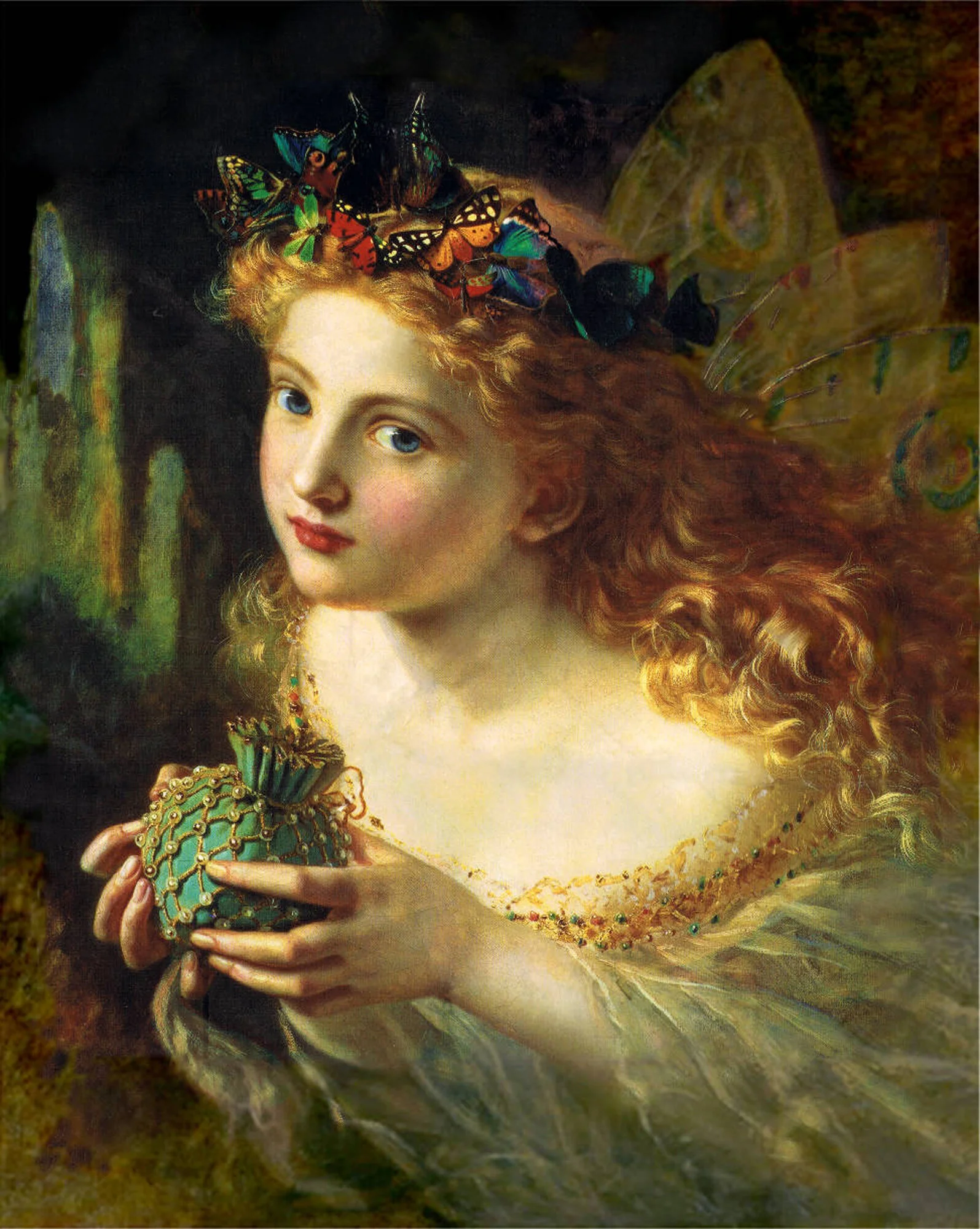
They have fascinated people, young and old, but especially children. So how did they come to be? Where did the term ‘fairy’ or, ‘fairie’ originate? Why are they closely associated with femininity, and was that their original purpose when they were created? Were they created?
Fairies are magical creatures, and all manners of children are obsessed with just the mention of them. Not to mention the Disney-ified version of fairies like ‘‘Tinkerbell’’. But where or what was the was the origination of ‘fairies’? How did people come to call these magical spirits ‘fairies’? And where did the word ‘fairy’ come from, and how has the meaning change over the centuries?
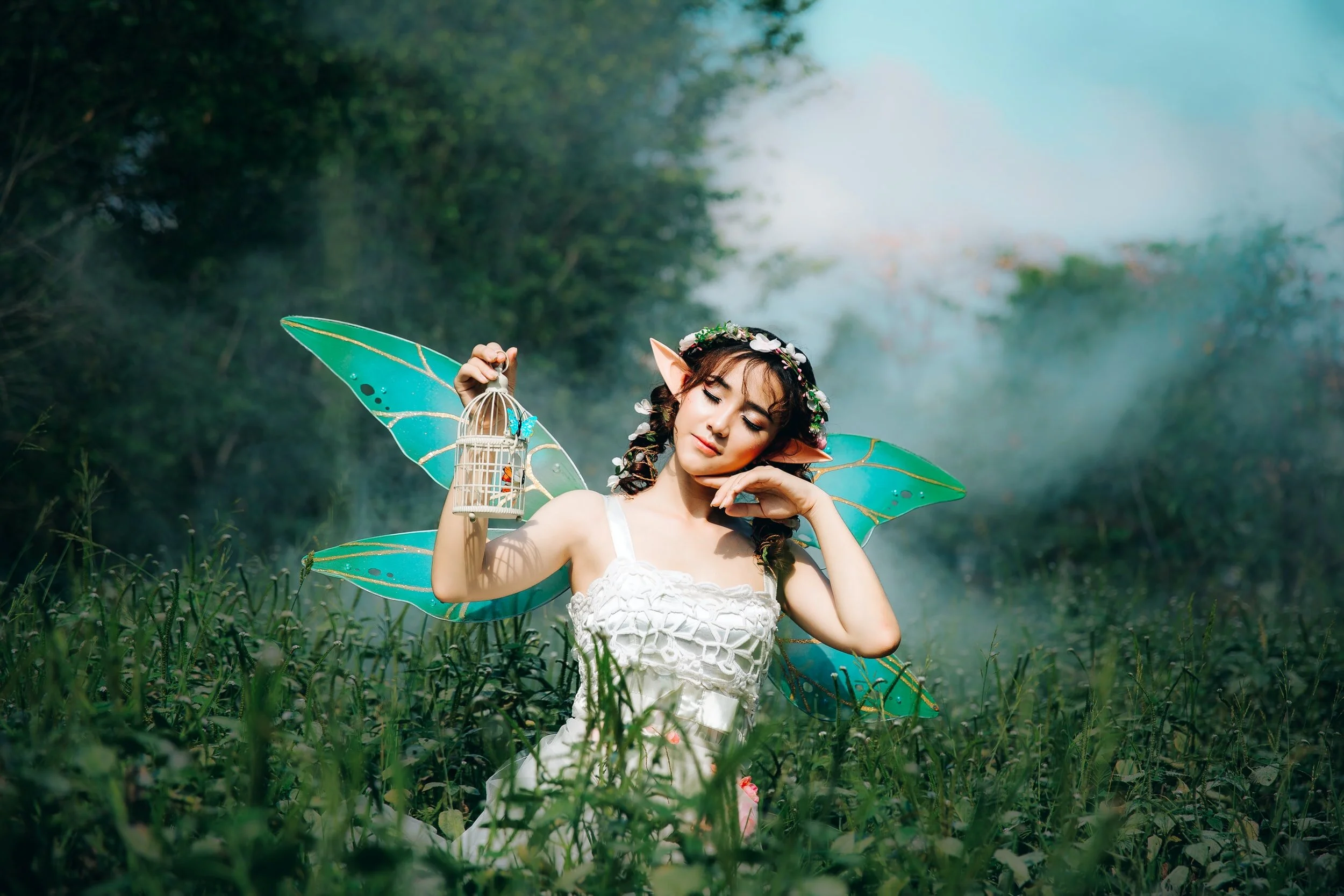
Well, the first question, what are the origins of fairies, or ‘fairyland’? Fairies are most widely mentioned in Gaelic literature, meaning Ireland, and are vastly integral to the people and culture. ‘Ireland is the country of Fairies. Fully to understand the Irish temperament, therefore it is necessary to know Ireland’s Fairy lore. Since the Fairies are mentioned first and most frequently in the literature written in the Irish languages of centuries ago, we must turn for information to the great mass of poems and stories from the twelfth to the sixteenth century. The Fairies of ancient Ireland belonged to a race known as ‘Tuath De Danaan’ came to Ireland, legend says from the ‘northern isles of the world, where they had been learning lore and magic and druidism and wizardry and cunning until they surpassed the sages of the arts of heathendom.’ ’’

Why then, have the mention of fairies been connected to the feminine, and feminine ideals? Because beauty standards rely heavily on gender, and ‘fairies’ with their magical art forms, have become twisted and their original ‘conquering form’ forgotten, and what better way to reinforce this than by using children’s fairy tales, which emphasizing women’s beauty and passivity, which serve to legitimize the dominant gendered system. ‘‘Research since the early 1970s has shown that children’s literature contains explicit and implicit messages about dominant power structures in society, especially those concerning gender. Fairy tales written during the eighteenth and nineteenth were intended to teach girls and young women how to become domesticated, respectable, and attractive to a marriage partner and to teach boys and girls appropriated gendered values, and attitudes.’’

Finally, where did the word ‘fairie’ come from? ‘‘They were at first, as established up above, called the ‘De Dannans’, who came to conquer those who were already in possession of Ireland, but were overcome with the ‘Mileasans’, a mythical race said to be the ancestors of modern Irishmen, and settled in a seperate part of the island, retiring into the green hills, where they required a new name: People of the Fairy Mound, or Aes Side (Ace Shithe, or Shee). As clouds are shot through with lightning, so is early Irish literature with accounts of invaders who became the Fairy Folk. ‘In Ireland, the Fairies have never been forgotten’: Brian Merriman, the last Gaelic poet of prominence, speaks of them as the treasure of his country in time of trouble, and Patrick MacGill, the Donegal poet, expressed the same idea when, amid the terrors of the battlefield, he wrote, ‘If we forget the Fairies,
And tread upon the rings,
God will perchance forget us,
And think of other things.
When we forget you, Fairies,
Who guard our spirits’ light:
God will forget the morrow,
And Day forget the Night’’.
.