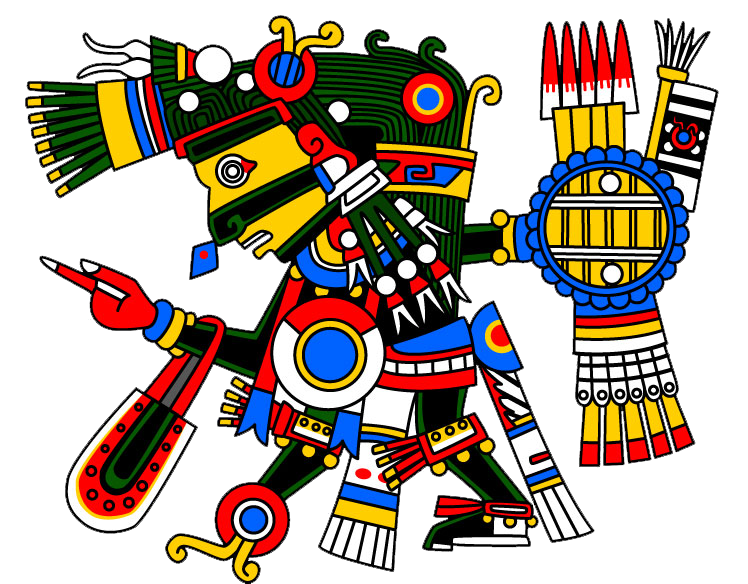
Tezcatlipoca, or 'One Leg'
NO. 1
Tezcatlipoca is the god of the night sky, hurricanes, obsidian, conflict, and providence. When depicted, he usually wore a talisman with a disk worn as a chest pectoral. While depicted with black and yellow stripes painted across his face, he is usually shown with his left foot replaced with an obsidian mirror, bone, or snake, as it was lost to the sea monster Cipactli in the mythos. In the Aztec religion, he was the central deity. In Aztec or Mesoamerican folklore, he and other gods could shapeshift, and he was no different as his counterpart was the illusive but powerful jaguar, which is why he is known as the jaguar god.

NO. 2
This figure is extremely popular, worshipped by the Mayan and Olmec communities. His name in the Mesoamerican language means ‘Smoking Mirror.’ This deity has numerous epithet’s which allude to different characteristics, like Ipalnemoani ("He by Whom We Live"), and Necoc Yaotl ("Enemy of Both Sides"), and Tioque Nahuaque (‘Lord of the Near and the Night’), etc. His power to omnipresence was more a connection that extended far beyond obsidian, since ritual bloodletting and human sacrifice was conducted with obsidian. Apart from being a creator god, he was also a trickster and ruled over the modern Aztec pantheon.
NO. 3
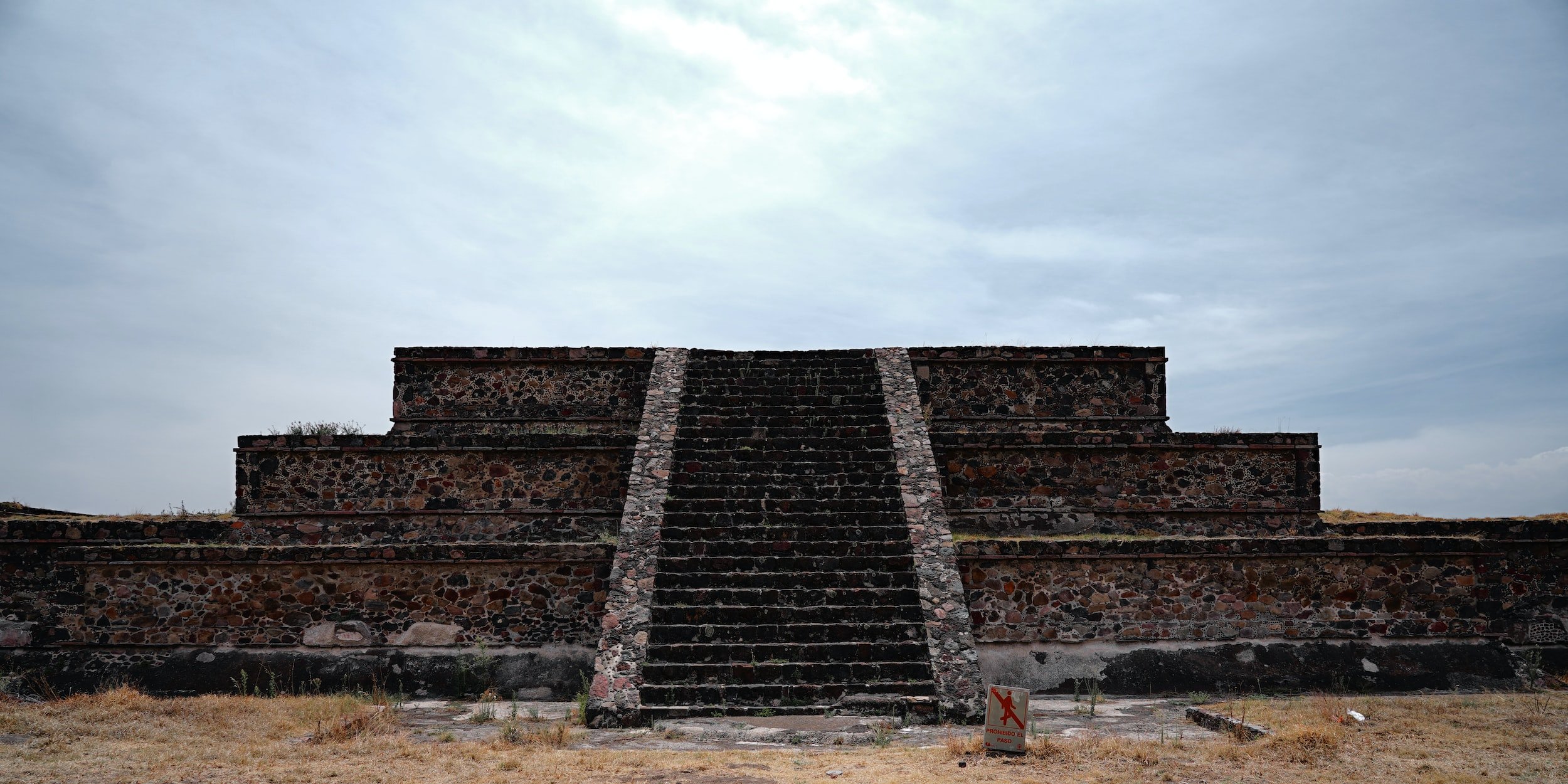
Tezcatlipoca, according to Aztec mythology, was born to the primordial creator deities Ometecuhtli and Omecihuatl, and had four siblings; one of whom, Quetzalcoatl, the god of the wind, patron of priests, and inventor of calendars and books; he was known as the Serpent Feathered god. The brothers feuded as much as they worked together, working towards the same goal but sometimes in opposition towards each other. After being born, this deity spent over 600 years for his youngest brother Huitzilopochtli to grow flesh before Tezcatlipoca and Quetzalcoatl, together, made the world. Before the world was made, the only thing that was technically alive were a few gods, a massive ocean and the sea monster, Cipactli, which Tezcatlipoca successfully lured away and killed by using his foot as bait. Both brothers were able to create the world on the sea monster’s body.
Warrior Women!
NO. 1
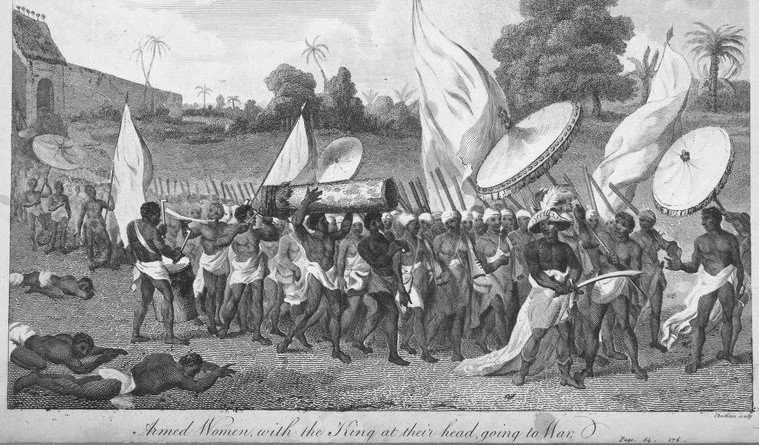
Many women were able to fight in battles, defend their kingdoms, and take up leadership roles, titled ‘warrior women,’ throughout the centuries. Their stories are inspiring and motivational for women everywhere to continue to be independent, strong, and courageous. The Dahomey Amazons were a real-life all-female warrior militia that existed from the 17th century to the 19th in the kingdom of Dahomey, today Benin of West Africa. They resulted from the male population facing high casualties from war and frequent violence from neighboring West African states, and the king at the time, King Houegbadja, implemented them. They called themselves the Mino, meaning ‘Our Mothers,’ in the Fon language, and were recruited as young as eight. Some voluntarily enrolled, while others involuntarily by their fathers or fathers. The Dahomey women warriors earned their reputation as fierce warriors, often earning the praise of enemies that they defeated in battle.
NO. 2
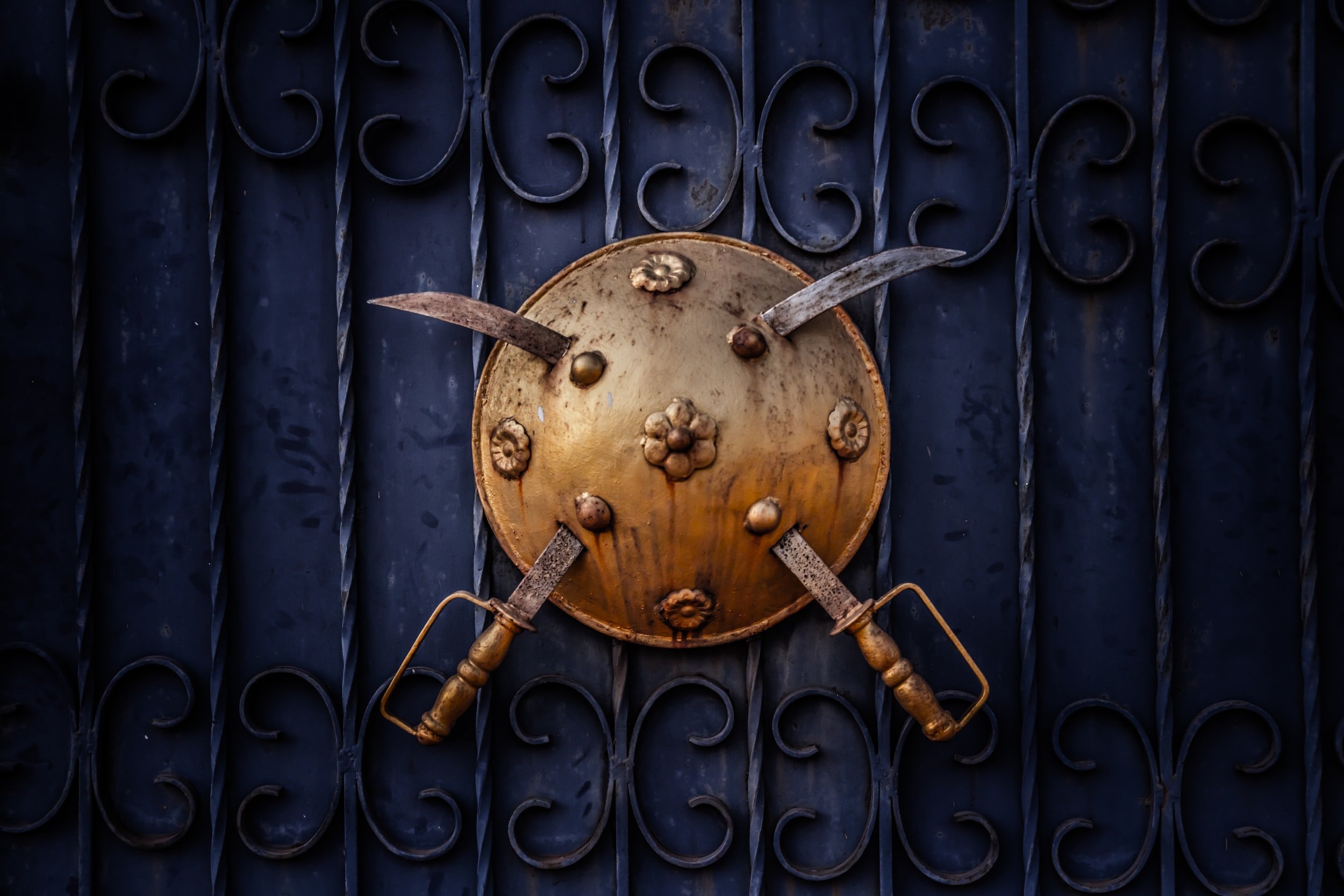
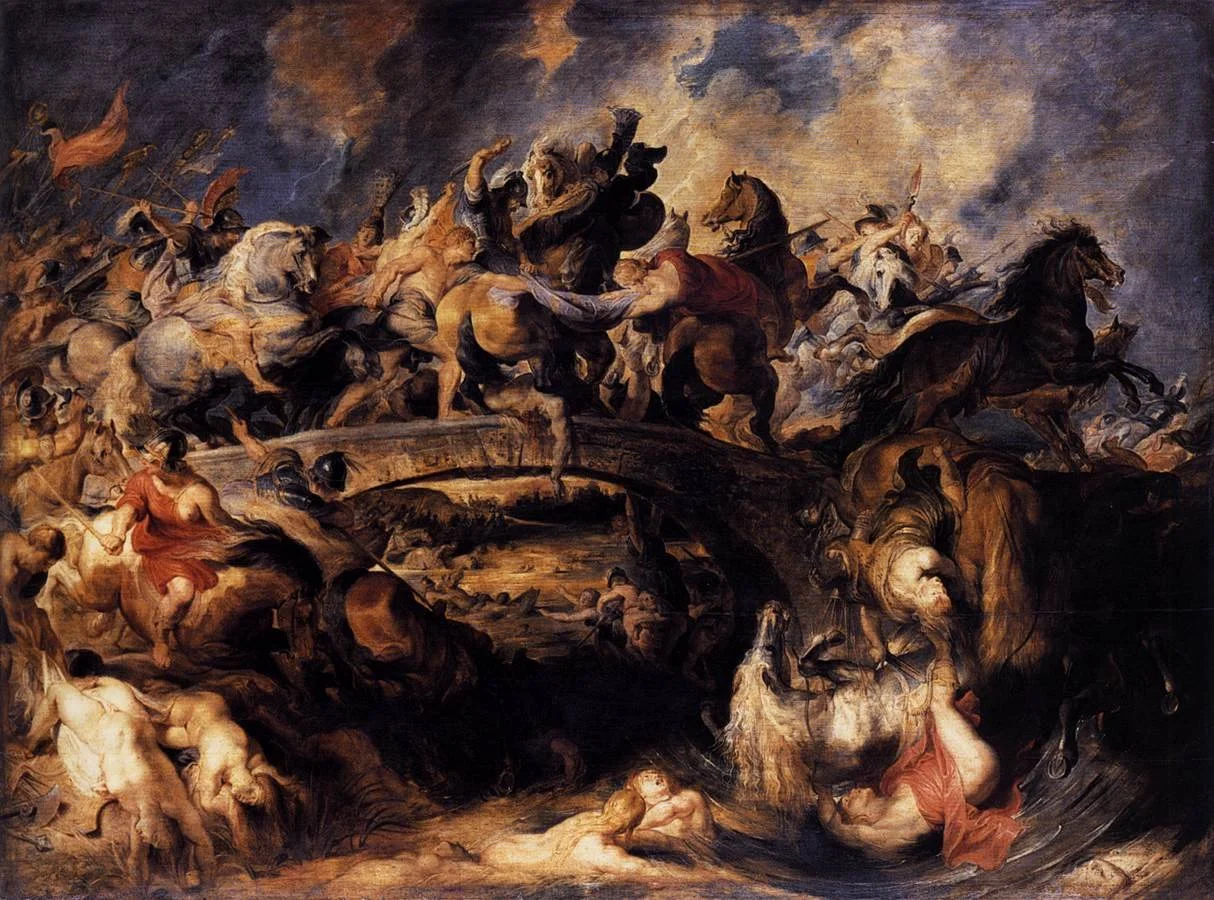
For the Greeks, they had the Amazonians; several tales from Greek mythology have been written about them. They were raised to fight from birth, where they would defeat and kidnap male warriors and keep them as enslaved peoples, mated with them, and kept their daughters raised as Amazons while having their sons be returned to their fathers. In one tale, the fight against the mythical Heracles, where one of his labors was to obtain the girdle from queen Hippolyte, the queen of the Amazons. They weren’t just mythical though; they were just real as well. Many burial sites revealed that ‘‘In the grasslands of inner Asia, from the Black Sea to western China, Scythian women had the same skills as their men: wielding bows, riding and herding animals, fighting – and dying from their injuries. Their remains have been found in tomb mounds from Crimea to western China.’’
NO. 3
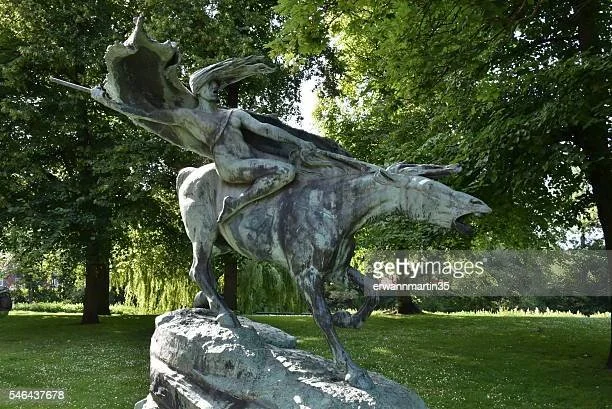
The Valkyries were the Norse equivalent of female warriors, who, in mythology, guide the souls of the noblest of the dead to Valhall. Many famous poems and Eddas are centered around these famous warriors of Odin, king of the gods. Still, we’re not talking about mythology but actual female Viking warriors. In 2019, archaeologists uncovered the remains of a decorated female warrior from the 10th century, proving women held high-status positions in Viking culture. ‘‘Several weapons were buried alongside the body, including a sword, armor-piercing arrows, a battle knife, an axe, a spear, and two shields, indicating that the skeleton was likely that of a warrior. Accompanying the wide array of weapons were two horses, a full set of game pieces, and a gaming board. The gaming pieces suggest that the person buried was a high-ranking combatant who was knowledgeable of strategies and tactics.’’
Ra, the Sun Deity
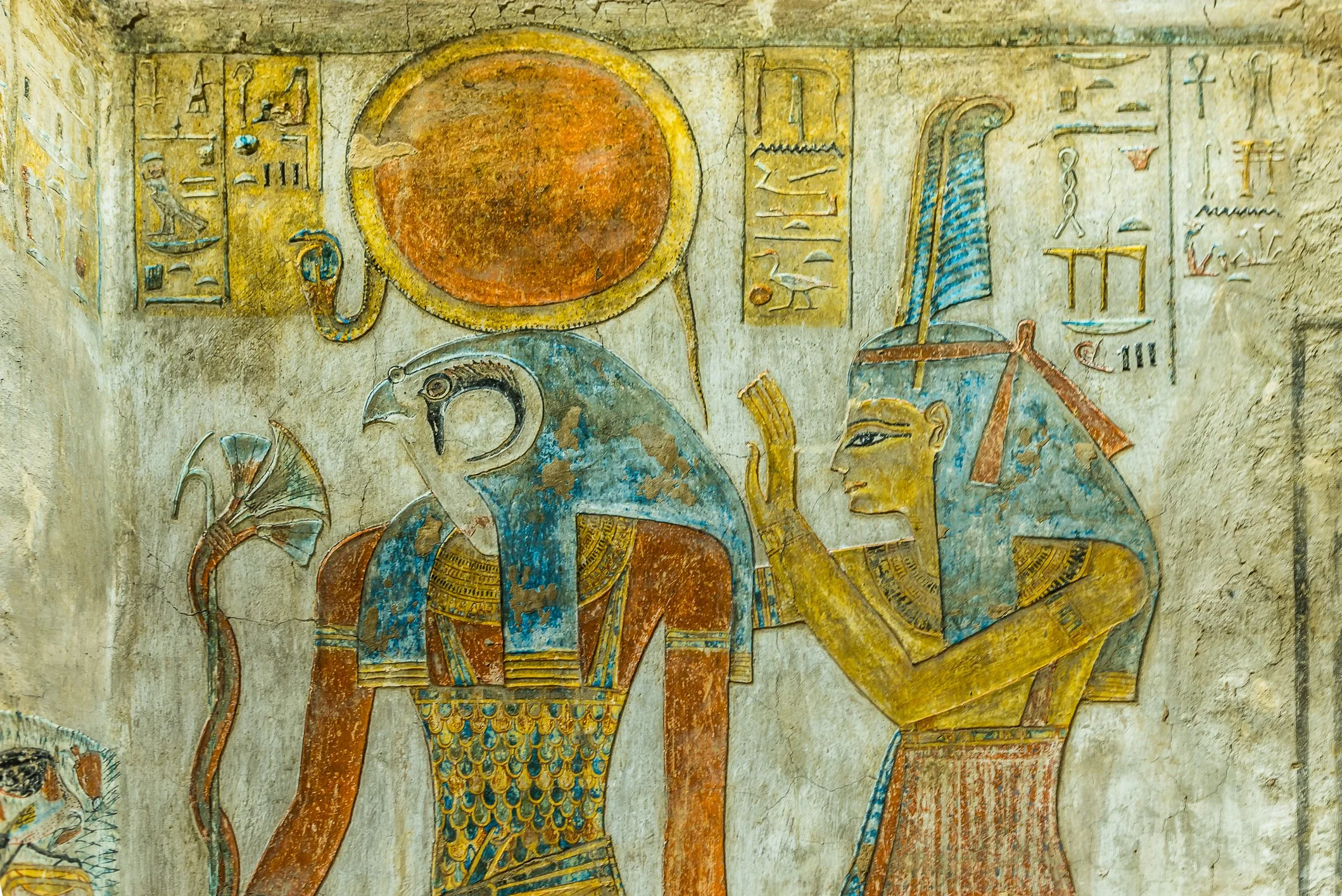
There are many versions of Ra. ‘Ra’ is the Egyptian word for the sun, and since we are talking of the Egyptian pantheon of gods, he was the oldest of them all and later merged with others such as Horus, becoming Ra-Horakhty (the morning sun), Amun (as noonday sun), and Atum (the evening sun) associated with primal life-giving energy. As a solar deity, he was the sun riding in his ship during the day and descending into the underworld come night.
In Egyptian mythology, it is said he battles the giant serpent Apophis every time he goes to the underworld to start the end of the world and prevent the sun from ever-rising and destroying life on Earth forever. Ra was the most important god of Egypt and the most popular one, as he emphasized 'life-giving/bearing.' Worship of Ra was established in the Old Kingdom with the development of funerary rituals dedicated to the god. His image appeared on all royal monuments since the First Dynasty. Later emperors adopted the name “Ramses” as a religious title after the king's grandfather, who was also known as Ramesses I.
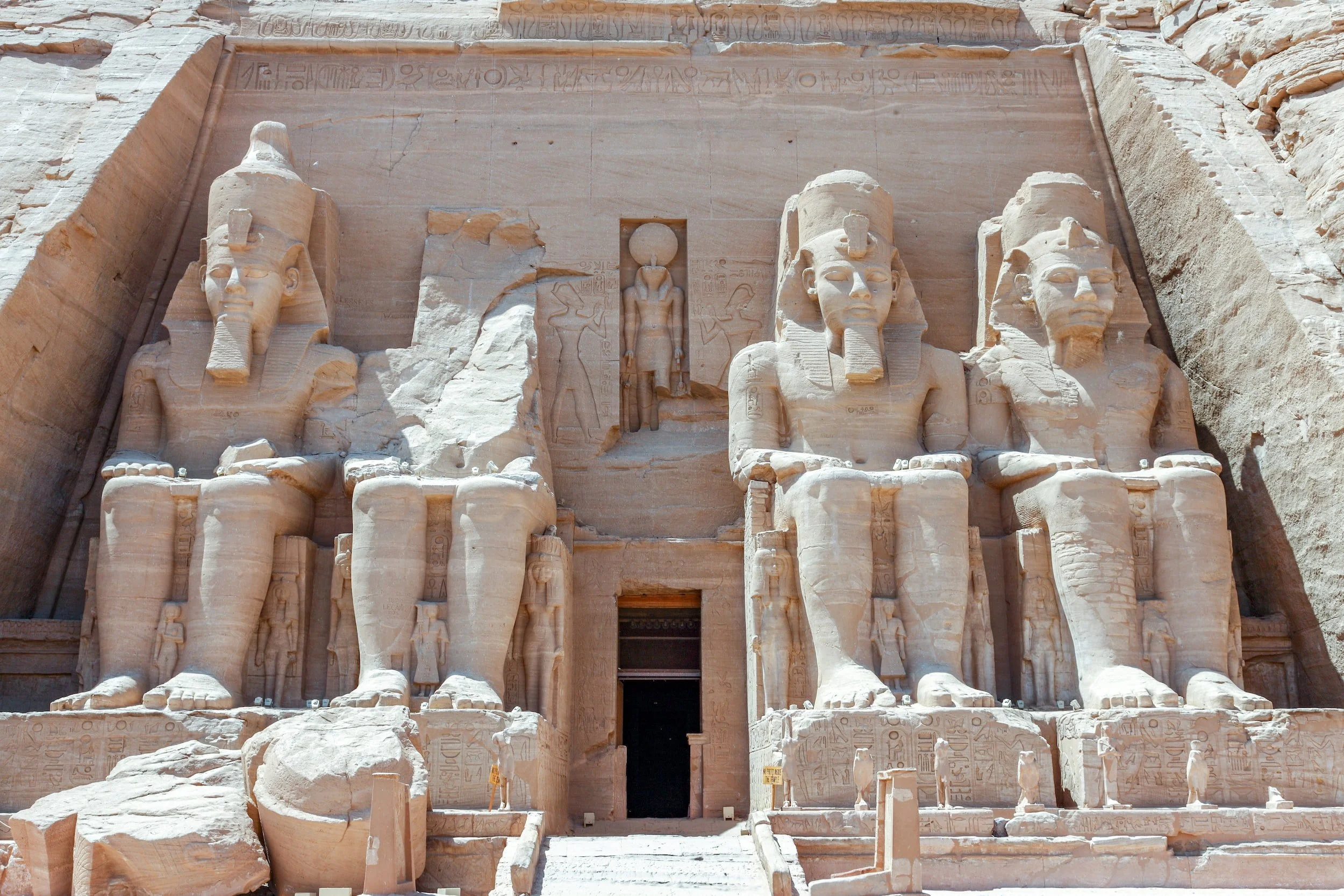
The most famous representations of Ra are is found on the Narmer Palette, a ‘‘hieroglyph of King Menes, which established Egypt’s first state religion around 3100 BC. The earliest known depiction of the god appears on one of the oldest surviving mummy masks, dating to the Middle Kingdom. This mask portrays the King wearing the headdress and chest ornaments that were worn by high priests of the temple of Ra during the Middle Kingdom period. Over time, the ram’s head symbol of Ra became widespread in Egypt, including appearing on the King’s banners and on temples as well as royal palaces.’’
Ra is a solar deity that is associated with light and rebirth. Throughout the history of mankind, the Sun has been considered the source of life for humanity, and therefore it has been used as a symbol by many religions to signify divinity. The Sun is associated with Ra because it is at his temple that the rays of sunlight would be most intense, shining on the statue of the god as if inviting him to shine on mankind. The ancient Egyptians believed that their civilization was founded by the gods of the sun. They associated the rising Sun with life and creation and used it to represent the passage of time – between each day and each month, the Egyptians measured the passing of time by counting the hours and minutes until the rising of the Sun again.
the Legend of the Holy Grail
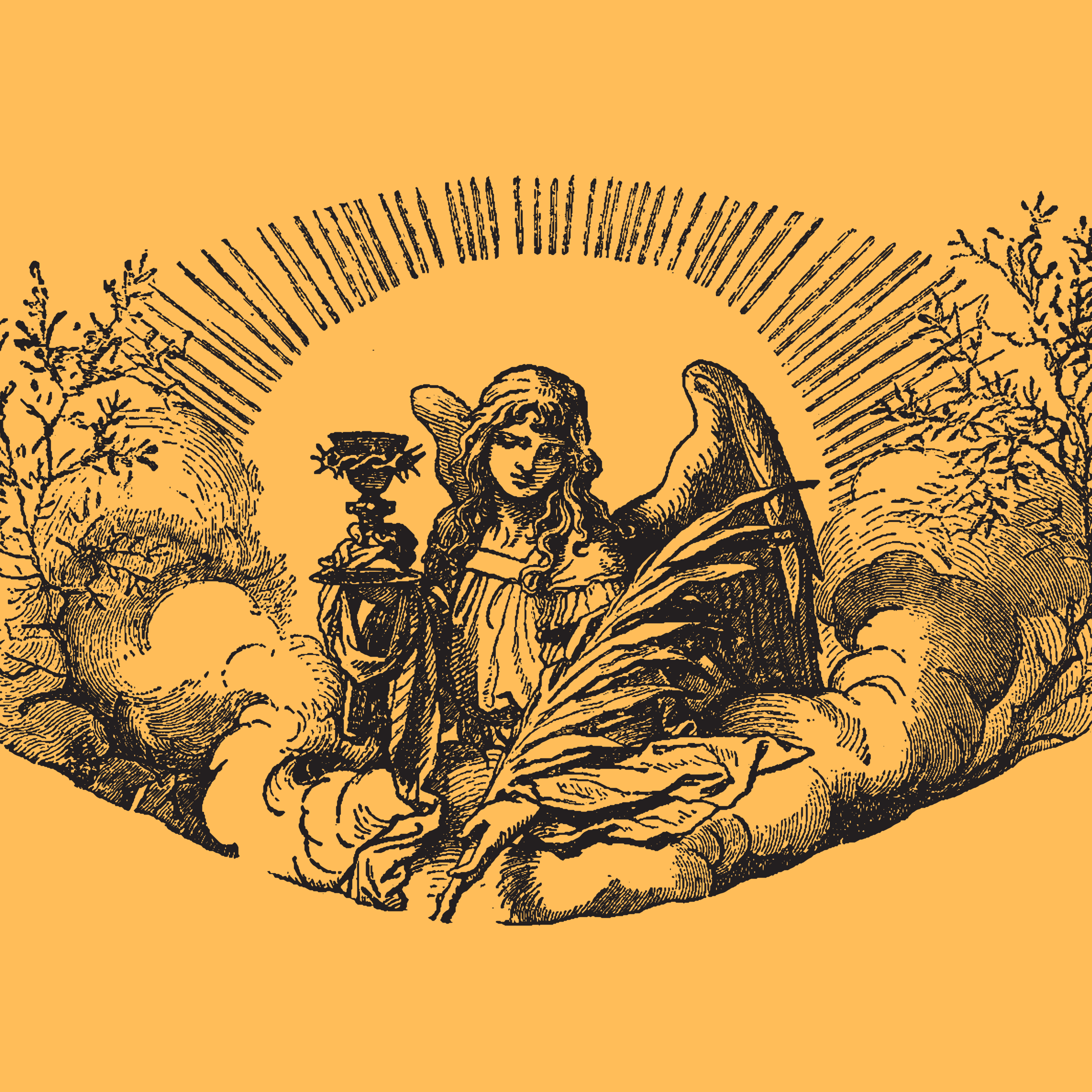
The Grail legend is one of the most popular and reiterated myths told around the world. The legend is basically connected to the King Arthur tales as well, as the king and his noble knights embark on a heroic quest in search for the ‘Grail’, a shining cup claimed to be the sustainer of all life or a mysterious vessel that provides sustenance, which is guarded in a castle that is difficult to find.

The first Grail legend first appears in an unfinished romance called Perceval ou Le conte du Graal by Chretien de Troyes dated to about 1190. The basic outline would be the mysterious vessel being guarded in the castle, and the owner of that castle is sickly or unable to care for it; the surrounding land would almost always be barren, and the owner can only be restored if a brave knight finds the castle, and after seeing a ‘mysterious procession’, asks a certain question. If he fails at this task, everything will remain as before, and the search must begin again. After many adventures, the hero knight returns to the castle and asks the correct question which, hereby cures the king and restores the land. After, the knight succeeds the wounded monarch and becomes king instead, and becomes the guardian of the castle and its contents. The Crusades were the backdrop of this awesome tale, and the fall of Jerusalem occurred in 1187 just before the legend appeared as a literary motif, and Chretien’s romance was written at the behest of his patron, the crusader knight, Count Philip of Flanders.

‘‘In Chretien’s romance, the knight Perceval sees the grail during a feast at a mysterious castle controlled by the Fisher King, a lame man whom he had met before. Chretien calls the object simply ‘un graal’, and its appearance is just one of the unusual events which take place during the feast. Indeed at this time, Perceval is also shown a broken sword that must be mended. The two objects together, sword and grail, are symbols of Perceval’s development as a true knight. Chretien died before he could finish the romance, but the story was completed by other writers. The Continuations, as they are referred to in critical literature, expand several themes and the grail gradually acquires a more ‘sacramental’ character. The First Continuation is also incomplete and the author is unknown, but it can be dated before the year 1200. Besides Perceval, Gawain also has a grail adventure (the womanizing Gawain is the type of the perfect worldly knight and regularly forms a contrast to Perceval in these romances). During a procession which Gwain sees, ‘the rich grail’ (as it is now called) floats about the hall and provides food for all; the bleeding lance is later identified as the Lance of Longinus (the spear used by Longinus to pierce Christ’s side at the Crucifixion) and the broken sword belonging to a dead knight who is laid out of the bier. He who mends the sword will know the secrets of the grail castle (thereby strengthening the link between sword and grail.) Other medieval writers took up this theme; Burgandian poet, Robert de Boron, also wrote, at the behest of a crusader patron, the Lord of Montfacon, produced three romances, Joseph d’ Arimathie, Merlin, and Perceval. All these romances treat the grail theme, even into the context of Christ’ passion.’’
The Holy Grail legends are not only entertaining, with valiant heroes and dangerous but awesome quests, but they also speak of patience and knowledge that these heroes gain along the way. Perceval and Lancelot aren’t heroes because they are searching for a beguiled, golden chalice, but for greater understanding of themselves. These legends have been written and re-written for ages, and even in the modern years, people are still fascinated by the great quest for the Holy Grail. I know I am.
The Origins of Fairies
They have fascinated people, young and old, but especially children. So how did they come to be? Where did the term ‘fairy’ or, ‘fairie’ originate? Why are they closely associated with femininity, and was that their original purpose when they were created? Were they created?
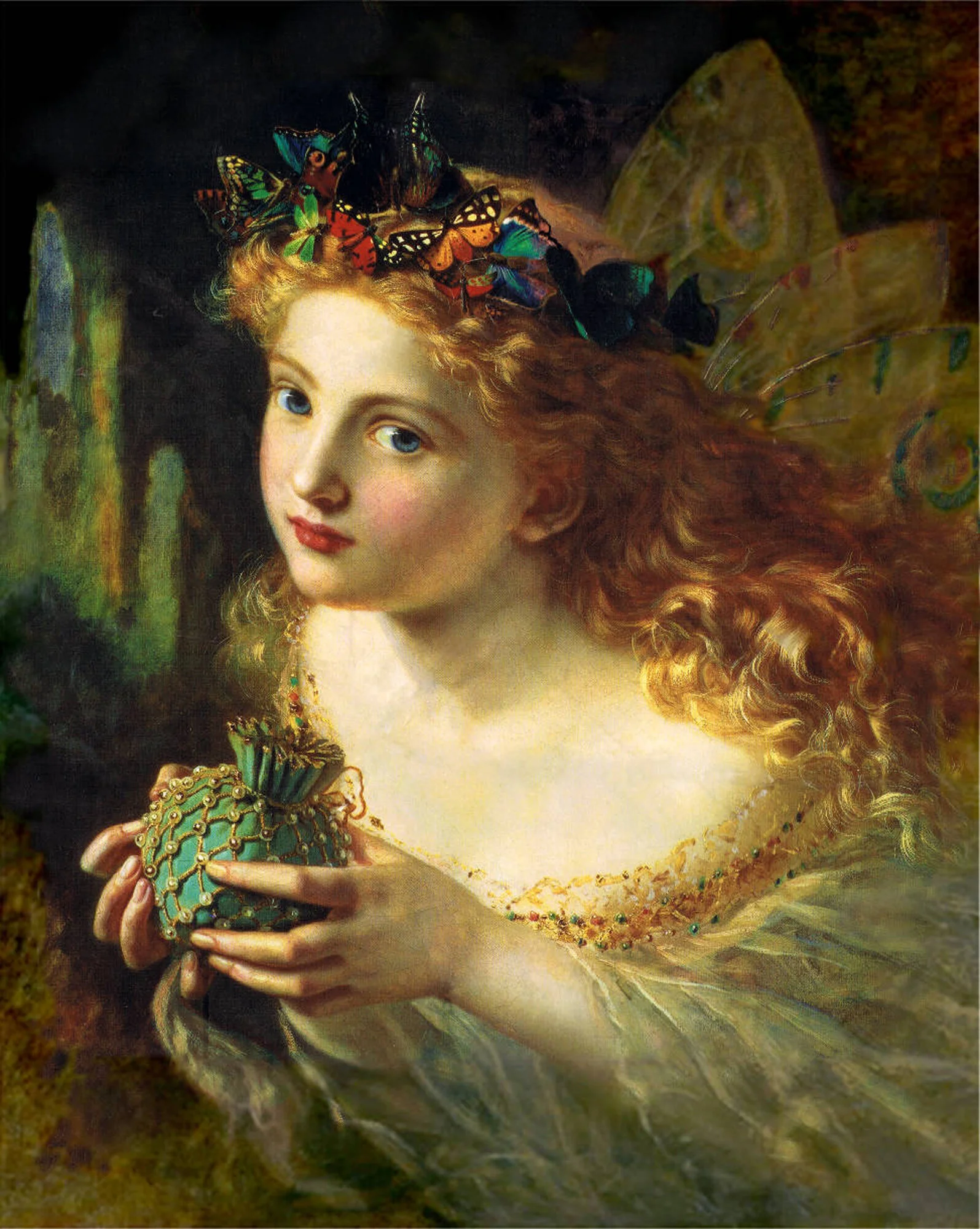
Fairies are magical creatures, and all manners of children are obsessed with just the mention of them. Not to mention the Disney-ified version of fairies like ‘‘Tinkerbell’’. But where or what was the was the origination of ‘fairies’? How did people come to call these magical spirits ‘fairies’? And where did the word ‘fairy’ come from, and how has the meaning change over the centuries?
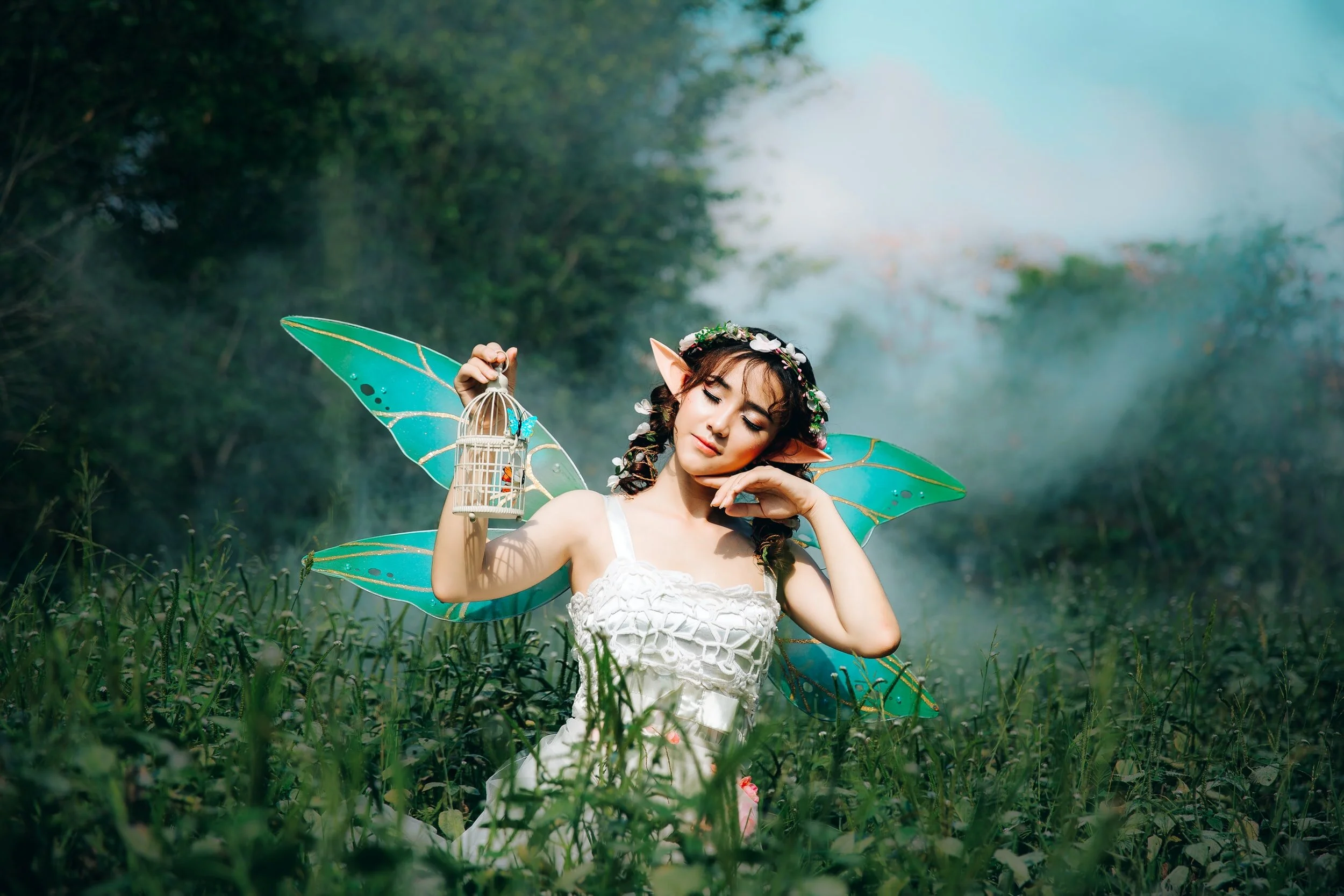
Well, the first question, what are the origins of fairies, or ‘fairyland’? Fairies are most widely mentioned in Gaelic literature, meaning Ireland, and are vastly integral to the people and culture. ‘Ireland is the country of Fairies. Fully to understand the Irish temperament, therefore it is necessary to know Ireland’s Fairy lore. Since the Fairies are mentioned first and most frequently in the literature written in the Irish languages of centuries ago, we must turn for information to the great mass of poems and stories from the twelfth to the sixteenth century. The Fairies of ancient Ireland belonged to a race known as ‘Tuath De Danaan’ came to Ireland, legend says from the ‘northern isles of the world, where they had been learning lore and magic and druidism and wizardry and cunning until they surpassed the sages of the arts of heathendom.’ ’’

Why then, have the mention of fairies been connected to the feminine, and feminine ideals? Because beauty standards rely heavily on gender, and ‘fairies’ with their magical art forms, have become twisted and their original ‘conquering form’ forgotten, and what better way to reinforce this than by using children’s fairy tales, which emphasizing women’s beauty and passivity, which serve to legitimize the dominant gendered system. ‘‘Research since the early 1970s has shown that children’s literature contains explicit and implicit messages about dominant power structures in society, especially those concerning gender. Fairy tales written during the eighteenth and nineteenth were intended to teach girls and young women how to become domesticated, respectable, and attractive to a marriage partner and to teach boys and girls appropriated gendered values, and attitudes.’’

Finally, where did the word ‘fairie’ come from? ‘‘They were at first, as established up above, called the ‘De Dannans’, who came to conquer those who were already in possession of Ireland, but were overcome with the ‘Mileasans’, a mythical race said to be the ancestors of modern Irishmen, and settled in a seperate part of the island, retiring into the green hills, where they required a new name: People of the Fairy Mound, or Aes Side (Ace Shithe, or Shee). As clouds are shot through with lightning, so is early Irish literature with accounts of invaders who became the Fairy Folk. ‘In Ireland, the Fairies have never been forgotten’: Brian Merriman, the last Gaelic poet of prominence, speaks of them as the treasure of his country in time of trouble, and Patrick MacGill, the Donegal poet, expressed the same idea when, amid the terrors of the battlefield, he wrote, ‘If we forget the Fairies,
And tread upon the rings,
God will perchance forget us,
And think of other things.
When we forget you, Fairies,
Who guard our spirits’ light:
God will forget the morrow,
And Day forget the Night’’.
.

Thoth's Prophecy of Egypt
The fall of Egypt. The Egyptian god Thoth, of magic, wisdom, science, and intellect tells the divine servant, Asclepius, of the nature of the cosmos, of God, and of the cycle between life and death.
Who was Thoth? Thoth was the Egyptian god of wisdom and intellect, the creator of writing and hieroglyphics, science and magic, and is the representative of the gods. He is depicted human-like, but with the head of a baboon, his most sacred animal. Though Thoth is interesting to research, we’re more concerned with his prophecy for Egypt, located in the Hermetic texts. Every god has slight differences but overwhelming similarities. Hermes, the god of flight, was the Greek equivalent to Thoth.
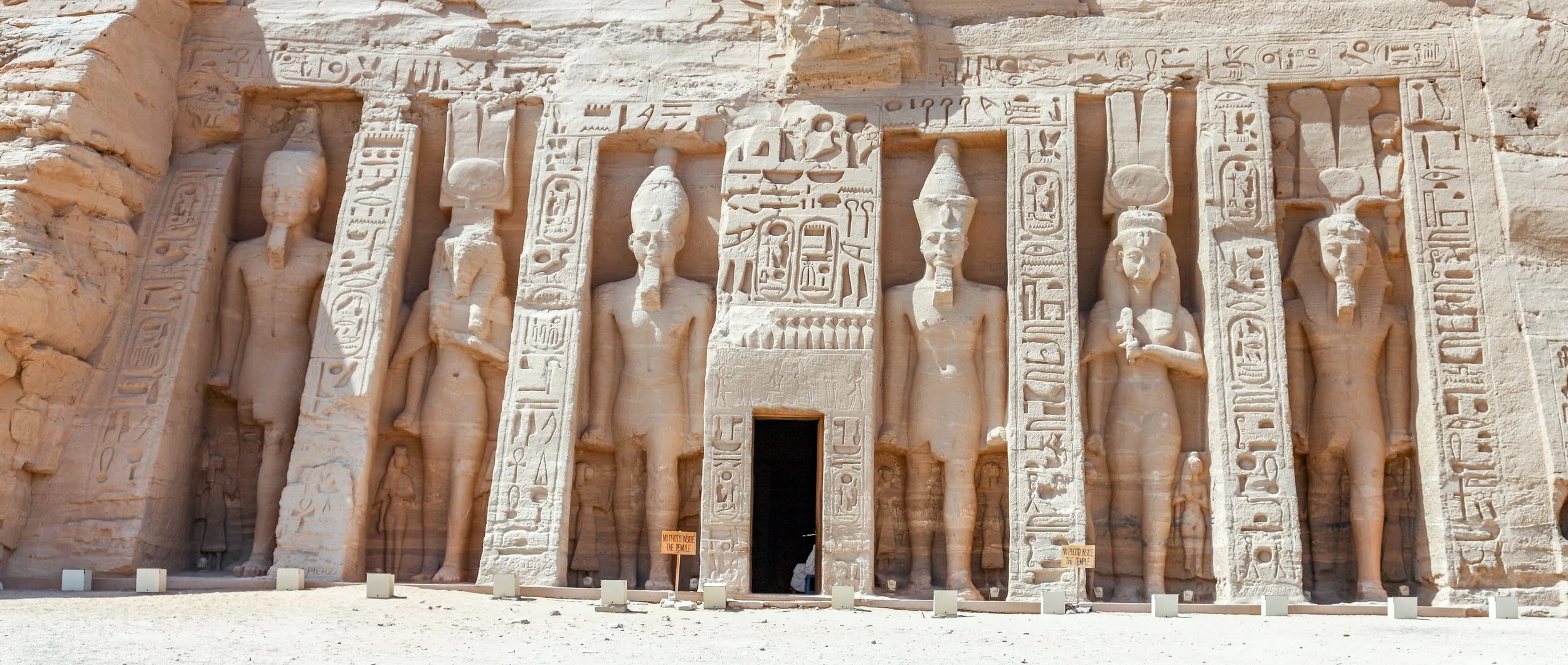
What were the Hermetic texts? They were the philosophical texts dedicated to the Hellenistic figure Hermes Trismegistus, found in pagan circles like Syria and Mesopotamia who never had to endure the rise of Christian Fascist suppression, which escaped Muslim persecution by the artful device of inventing or becoming the religious group known as the Sabians, named in the Koran, hence deserving of respect, as Sabians mean ‘people of the book’. Eventually, the documents ended up in Constinapole. ‘‘The work is basically a dialogue in question and answer form. The two chief interlocutors are the god Thoth and a disciple ‘who wished to know.’ Another God, seemingly Osiris, also speaks with a disciple. This literary frame might suggest a comparison with the Greek Hermetic writings, which are also teaching dialogues between Hermes-Thoth and disciples. This comparison would appear all the more legitimate than in the Demotic text, Thoth is once called wr wr wr, ‘the thrice great one’. ‘‘
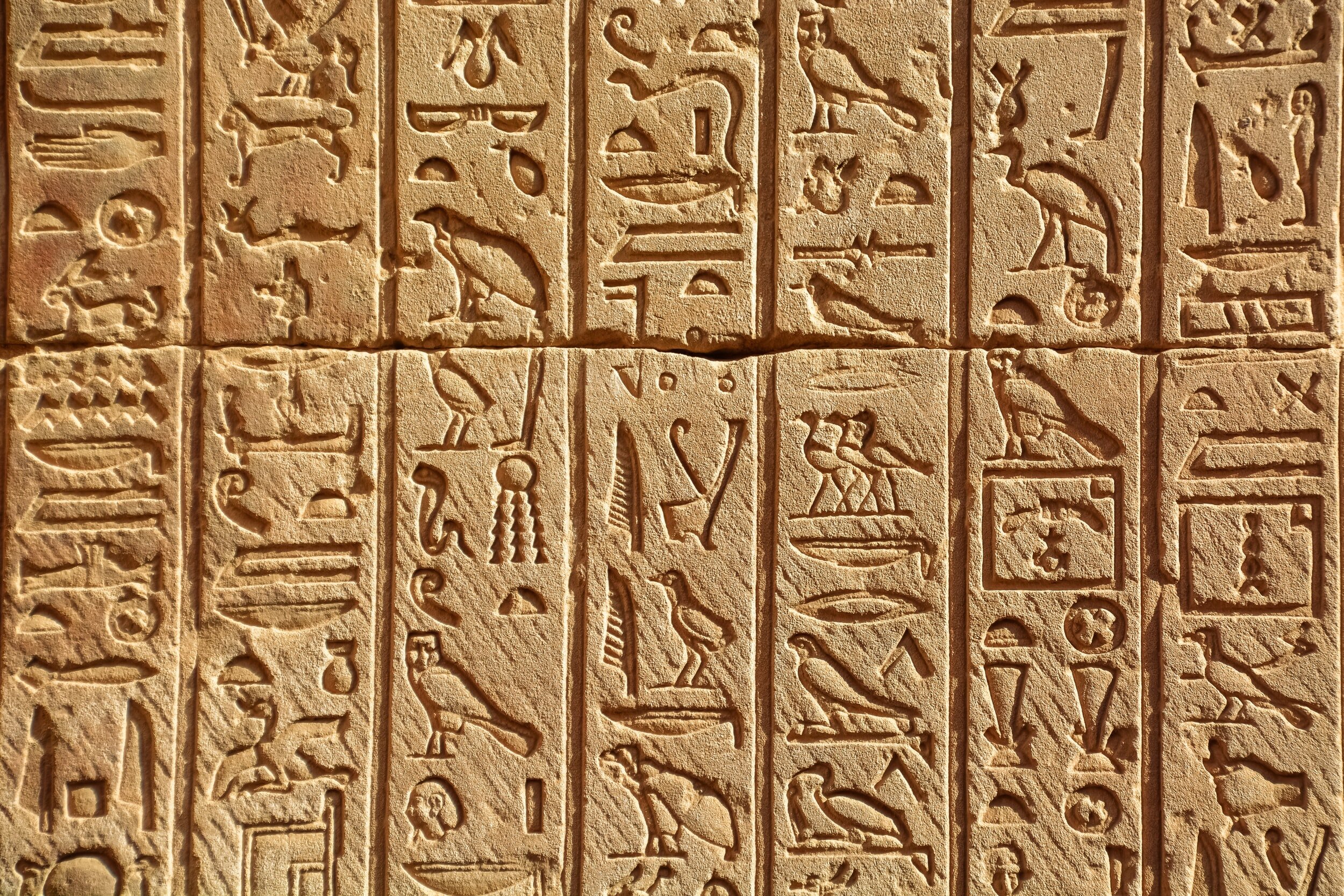
Thoth’s prophecy is a description of the nature behind cosmology, on the nature of God, the cycles of life, and the nature of the world. Every culture has what is commonly expressed as philosophical teachings; sometimes they are shared, like Greece and Egypt. Except this Egyptian content was created more than 2,500 years before Greece’s literature on philosophy. ‘‘The Hermetica as a whole is plainly a product of Greek culture in Egypt. The famous case from Edfu of Thoth, the Egyptian Hermes, introducing himself and establishing his direct descendent from the supreme god Ra. In short, the occurrence of the ‘I am..’ formula in a text from Egypt is immediately suggestive of native religious traditions.’’ But what does the prophecy entail? Why the doom of Egypt of course. An excerpt from Acclepius III spins the tale of the fall of the city, of the people, of the gods, and of their empire.
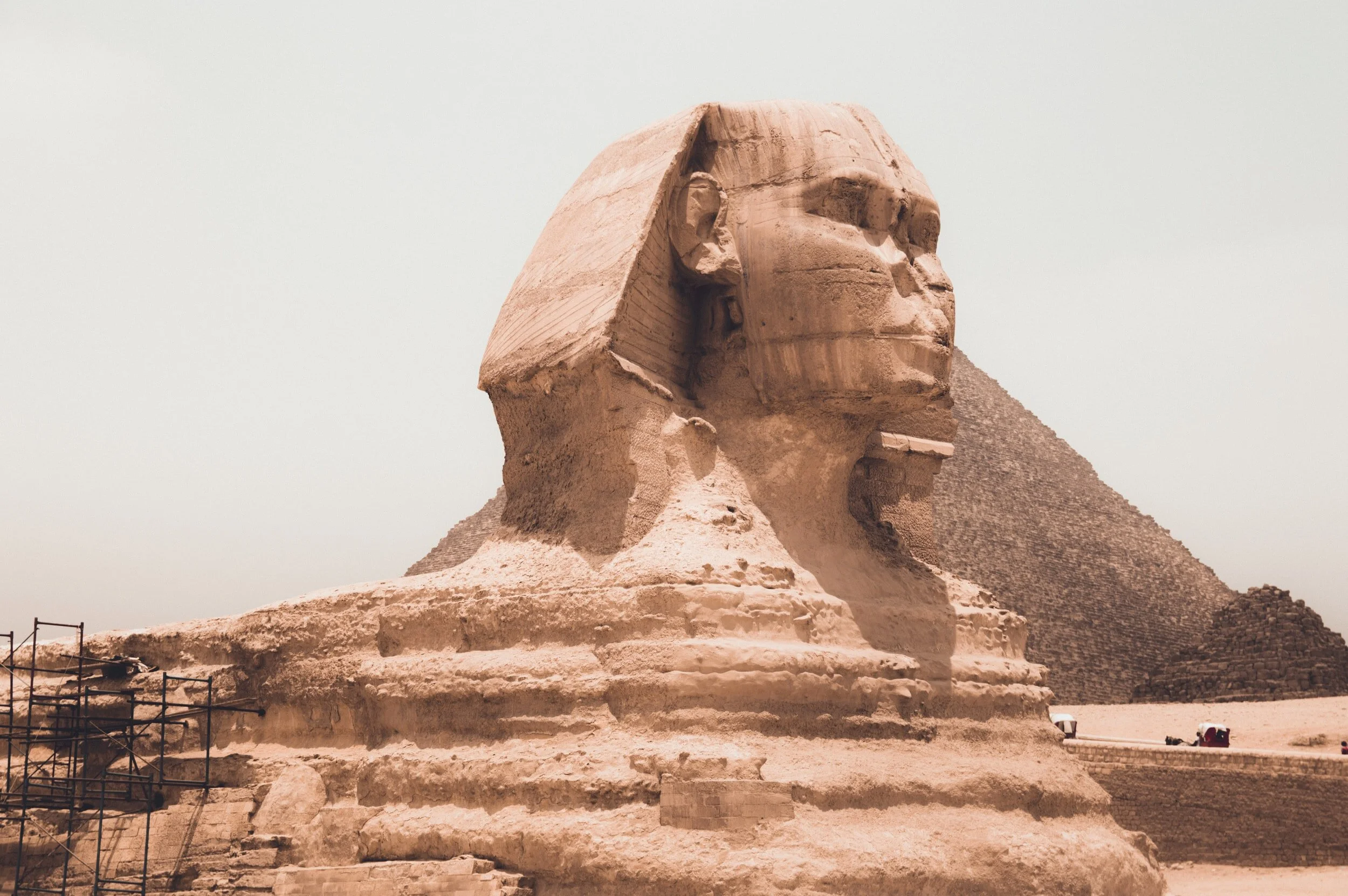
‘‘Nay, it should rather be said that the whole Kosmos dwells in this our land as in its sanctuary. And yet, since it is fitting that wise men should have knowledge of all events before they come to pass, you must not be left in ignorance of this: there will come a time when it will be seen that in vain have the Egyptians honored the deity with heartfelt piety and assiduous service; and all our holy worship will be found bootless and ineffectual. For the gods will return from earth to heaven; Egypt will be forsaken, and the land which was once the home of religion will be left desolate, bereft of the presence of its deities. This land and region will be filled with foreigners; not only will men neglect the service of the gods, but ...; and Egypt will be occupied by Scythians or Indians or by some such race from the barbarian countries thereabout. In that day will our most holy land, this land of shrines and temples, be filled with funerals and corpses. To thee, most holy Nile, I cry, to thee I foretell that which shall be; swollen with torrents of blood, thou wilt rise to the level of thy banks, and thy sacred waves will be not only stained but utterly fouled with gore. Do you weep at this, Asclepius? There is worse to come; Egypt herself will have yet more to suffer.’’

The tricksters
Those characters are always up to mischief. It’s not necessarily a bad thing, of course. Sometimes you need to start trouble in order to inspire change. Those who carry the title of ‘the trickster’ are usually seen in a bad light because of their actions, which if you read some of the myths about these archetypes, can sometimes be nefarious at best, but they usually teach social, ethical, and political values through puzzles, games, or twists of fate. A trickster can be an animal, spirit, or sometimes a god.
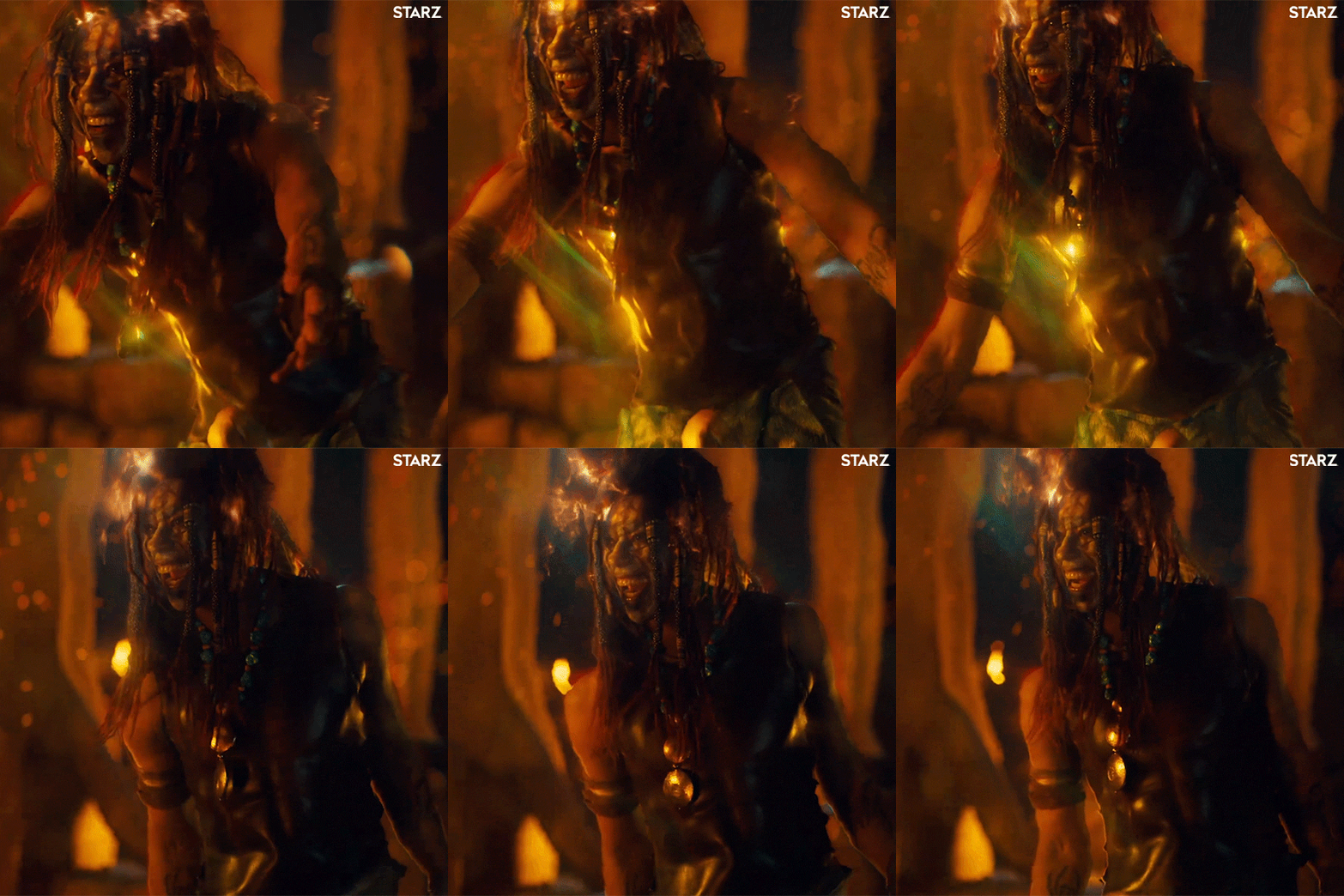

This particular trickster, which is very popular with the show American Gods on Starz, is the god Anansi, generally referred to as the god of stories of West African mythology. My favorite myth is how he got that title. The story goes as follows, Anansi the spider threw a web up into the sky, to confront the sky god Nyame, asking him to share all the stories of the world. So Nyame gives Anansi a challenge: If Anansi could bring to Nyame’s court Python the snake, Cheetah the fanged, the nests full of Hornets, and the fairy Mmoatia, then Anansi can have the box of stories. So Anansi agrees to this deal, thinking up new and clever ways to get the creatures to the sky court over the next four days. With the help of his wife Aso, and his son Ntikuma, Anansi goes into the forest to look for Python, and, waving a big stick in the air proclaimed that the stick was much longer than the Python. The Python slithered from the branch over their head, slithered down and stretched it’s long body alongside it, so that Anansi could easily wrap his strongest web around the thrashing web, then turned the big snake over to the sky god. Next, was the capture of the Cheetah. Appeasing to it’s ego, Anansi got a basket and claimed that the Cheetah was too small for it, but the Cheetah, undeterred, tried it on for size. Anansi quickly tied the bag around him, and dropped it off at the sky court, going after the hornets next. To catch the hornets, Anansi and his son go back into the forest, and carrying two big jugs of water, a empty gourd, and rope, they find the hornets nest, where very quietly they lift up both buckets and dump the water into the nest. The hornets, aggravated, came swarming out which brings Anansi to hold open the gourd, which he then sealed over and sent again to the sky court.
The final task that plagued Anansi was how to trick Mmotia, who was magic, into the sky court. His wife Aso had them both carve a wooden doll, and cover it in thick layer of sap from the nearby gum tree. Then they put the doll in a nice clearing and waited a long time. Then, they heard Mmotia scream at the doll because she thinks the doll is another fairy. Because it’s a doll, and is unresponsive, Mmoatia smacks it, claiming the doll’s rudeness. The doll’s sap causes Mmoatia’s hand to get stuck, and soon enough Anansi can bring a stuck Mmoatia to the sky court, winning the box of stories from a displeased Nyame, who didn’t believe he would win, and took it back to Earth. There goes the story of Anansi and the Box of Stories.