The Origins of Fairies
Fairies are magical creatures, and all manners of children are obsessed with just the mention of them. Not to mention the Disney-ified version of fairies like ‘‘Tinkerbell’’. But where or what was the was the origination of ‘fairies’? How did people come to call these magical spirits ‘fairies’? And where did the word ‘fairy’ come from, and how has the meaning change over the centuries?
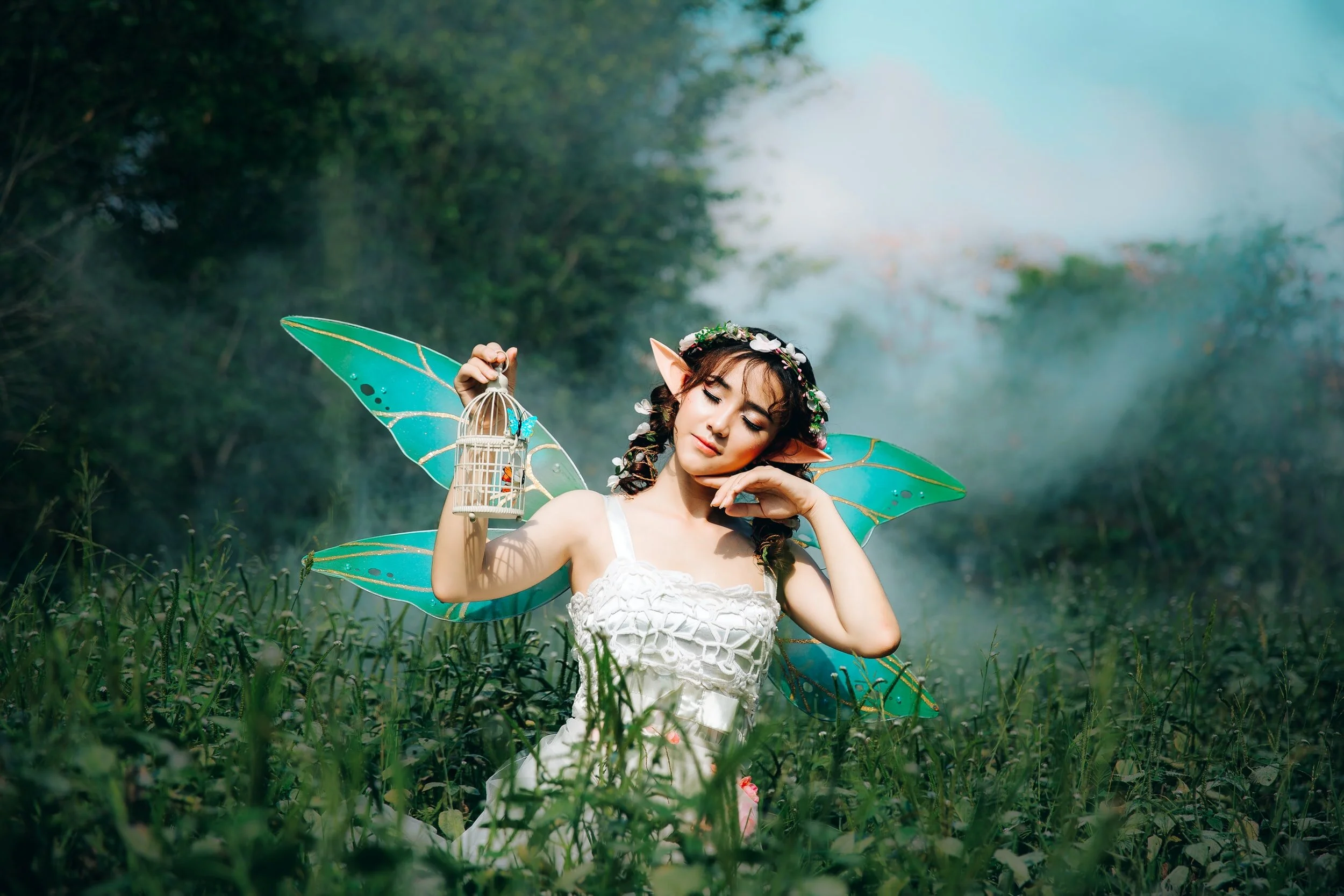
Well, the first question, what are the origins of fairies, or ‘fairyland’? Fairies are most widely mentioned in Gaelic literature, meaning Ireland, and are vastly integral to the people and culture. ‘Ireland is the country of Fairies. Fully to understand the Irish temperament, therefore it is necessary to know Ireland’s Fairy lore. Since the Fairies are mentioned first and most frequently in the literature written in the Irish languages of centuries ago, we must turn for information to the great mass of poems and stories from the twelfth to the sixteenth century. The Fairies of ancient Ireland belonged to a race known as ‘Tuath De Danaan’ came to Ireland, legend says from the ‘northern isles of the world, where they had been learning lore and magic and druidism and wizardry and cunning until they surpassed the sages of the arts of heathendom.’ ’’
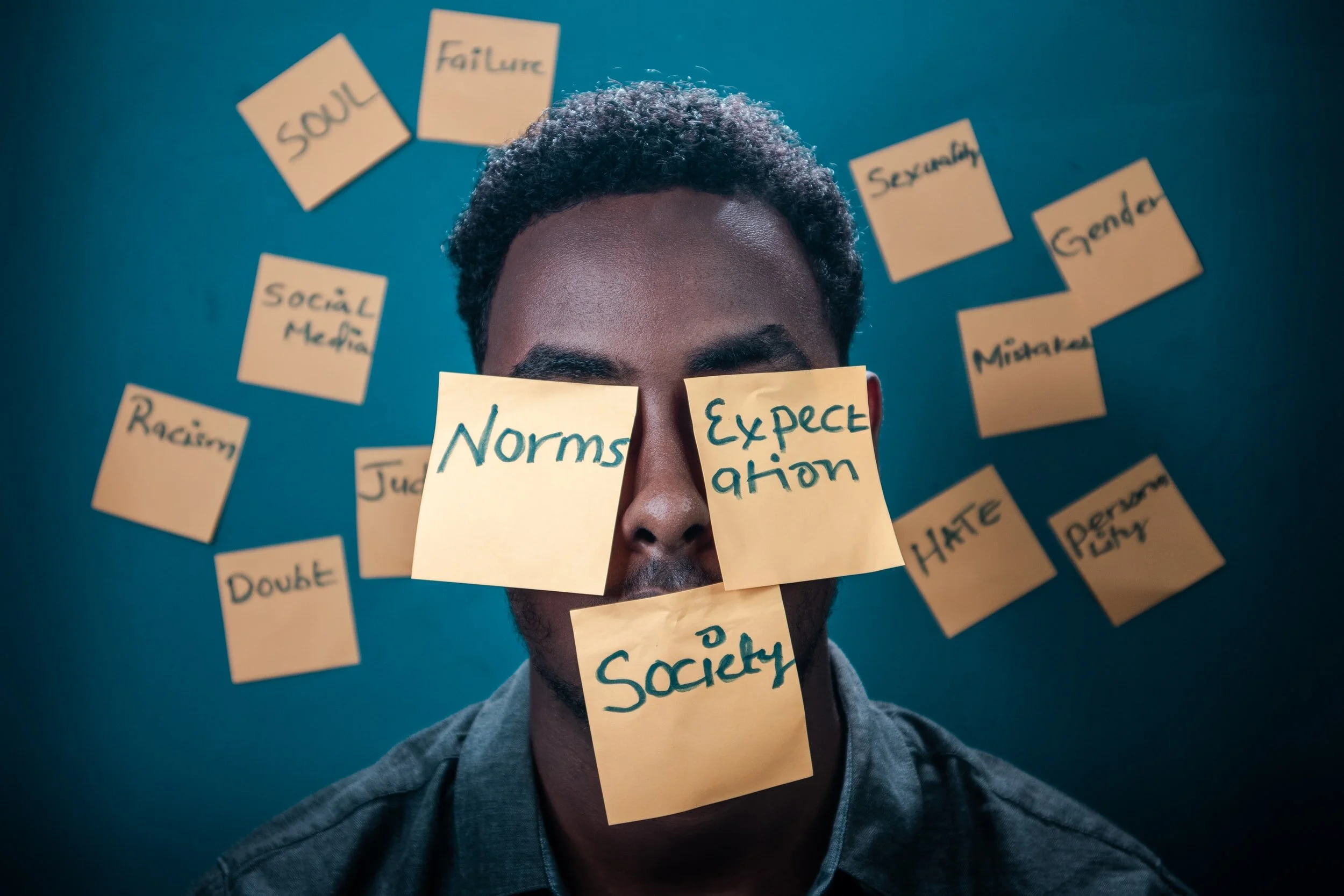
Why then, have the mention of fairies been connected to the feminine, and feminine ideals? Because beauty standards rely heavily on gender, and ‘fairies’ with their magical art forms, have become twisted and their original ‘conquering form’ forgotten, and what better way to reinforce this than by using children’s fairy tales, which emphasizing women’s beauty and passivity, which serve to legitimize the dominant gendered system. ‘‘Research since the early 1970s has shown that children’s literature contains explicit and implicit messages about dominant power structures in society, especially those concerning gender. Fairy tales written during the eighteenth and nineteenth were intended to teach girls and young women how to become domesticated, respectable, and attractive to a marriage partner and to teach boys and girls appropriated gendered values, and attitudes.’’
Finally, where did the word ‘fairie’ come from? ‘‘They were at first, as established up above, called the ‘De Dannans’, who came to conquer those who were already in possession of Ireland, but were overcome with the ‘Mileasans’, a mythical race said to be the ancestors of modern Irishmen, and settled in a seperate part of the island, retiring into the green hills, where they required a new name: People of the Fairy Mound, or Aes Side (Ace Shithe, or Shee). As clouds are shot through with lightning, so is early Irish literature with accounts of invaders who became the Fairy Folk. ‘In Ireland, the Fairies have never been forgotten’: Brian Merriman, the last Gaelic poet of prominence, speaks of them as the treasure of his country in time of trouble, and Patrick MacGill, the Donegal poet, expressed the same idea when, amid the terrors of the battlefield, he wrote, ‘If we forget the Fairies,
And tread upon the rings,
God will perchance forget us,
And think of other things.
When we forget you, Fairies,
Who guard our spirits’ light:
God will forget the morrow,
And Day forget the Night’’.
.