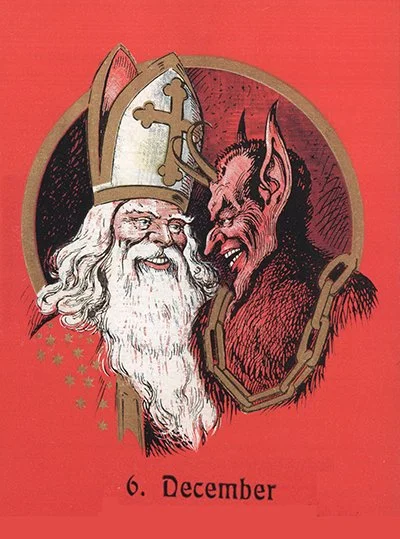
Krampus, the legend!
During the Christmas season, every young boy and girl awaits their presents and gifts with eagerness, hoping for Santa to make their way to their homes. The saying, you better watch out, you better not cry, you better not pout is the official song for Santa Claus as he is checking his list for all the good boys and girls. But for those who are naughty children, the invention of the famed horned goat Krampus who works together with St. Nick.

NO. 2
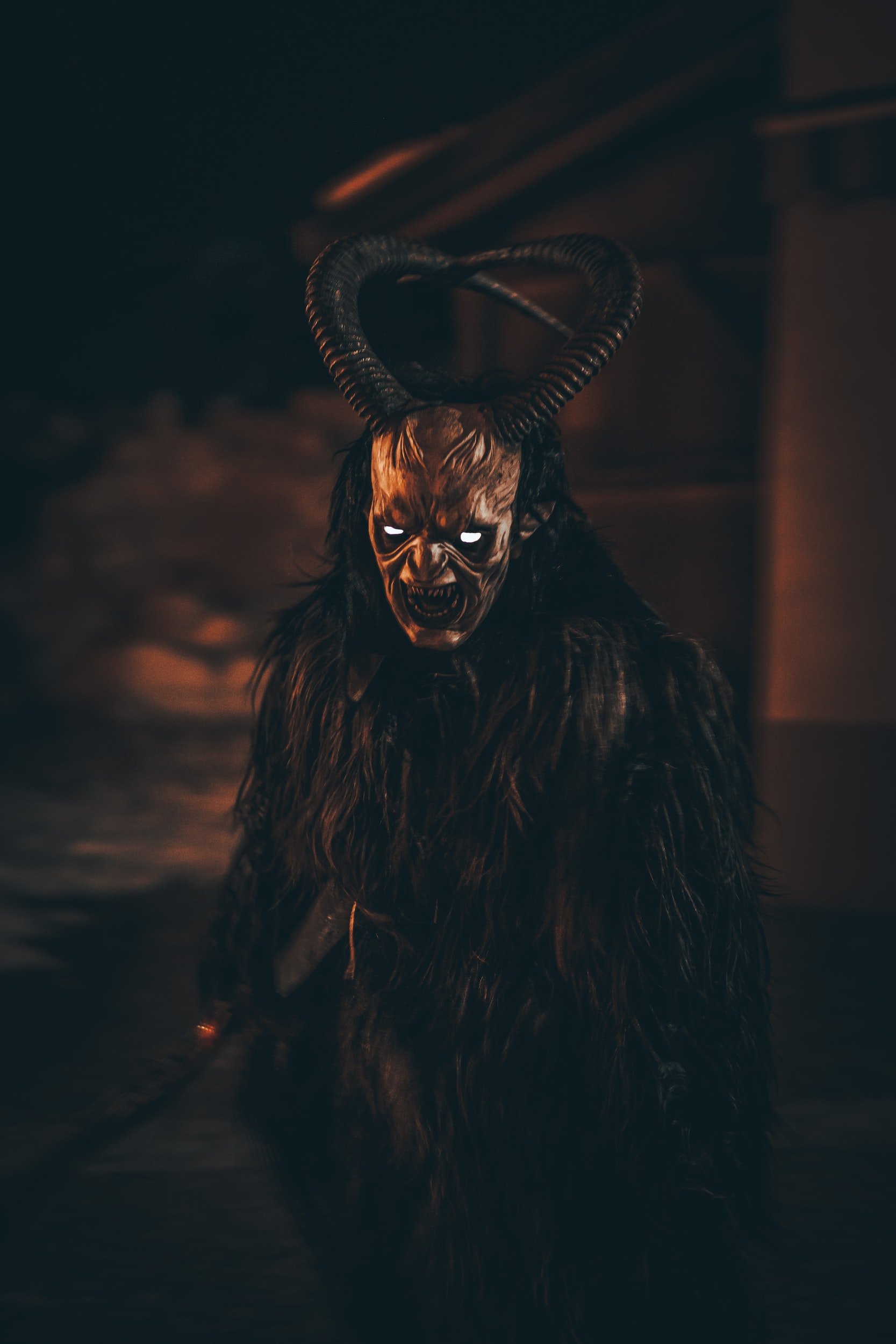
Created in Eastern European folklore, Krampus, meaning ‘claw’, is depicted as a horned, half-demon like monster who terrorizes naughty children, hitting them and beating them with whips, other versions having him with chains, sometimes shaking them to scare the children, equipped with a sack or a basket strapped to his back, to cart off the children chosen to be either eaten or dragged to Hell. He even has a holiday dedicated just to him, celebrated in Germany and now, because of the film, in America as well, called Krampusnacht, or Krampus Night, on December 6. In this long and very funny tradition, spectators dressed up as Krampus appears in the streets, visiting homes and business, along with his devilish accomplices, evil elves and imps, the total anthesis of Santa Claus, who help Krampus scare people and onlookers in the streets.

NO. 3
Because of the resurgence of the celebration of Krampus in the late 19th century, including popular greeting cards with his image and funny rhymes and poems, not to mention the many horror movies or TV shows in North America, gaining traction and popularity every time Christmas comes around. Or maybe it’s because of the intense, heavy commercialization around Christmas time, meant for family and friends. So, here’s the question, do you celebrate Krampus, or Christmas as a whole, or do you think he’s just a myth better left to the children?
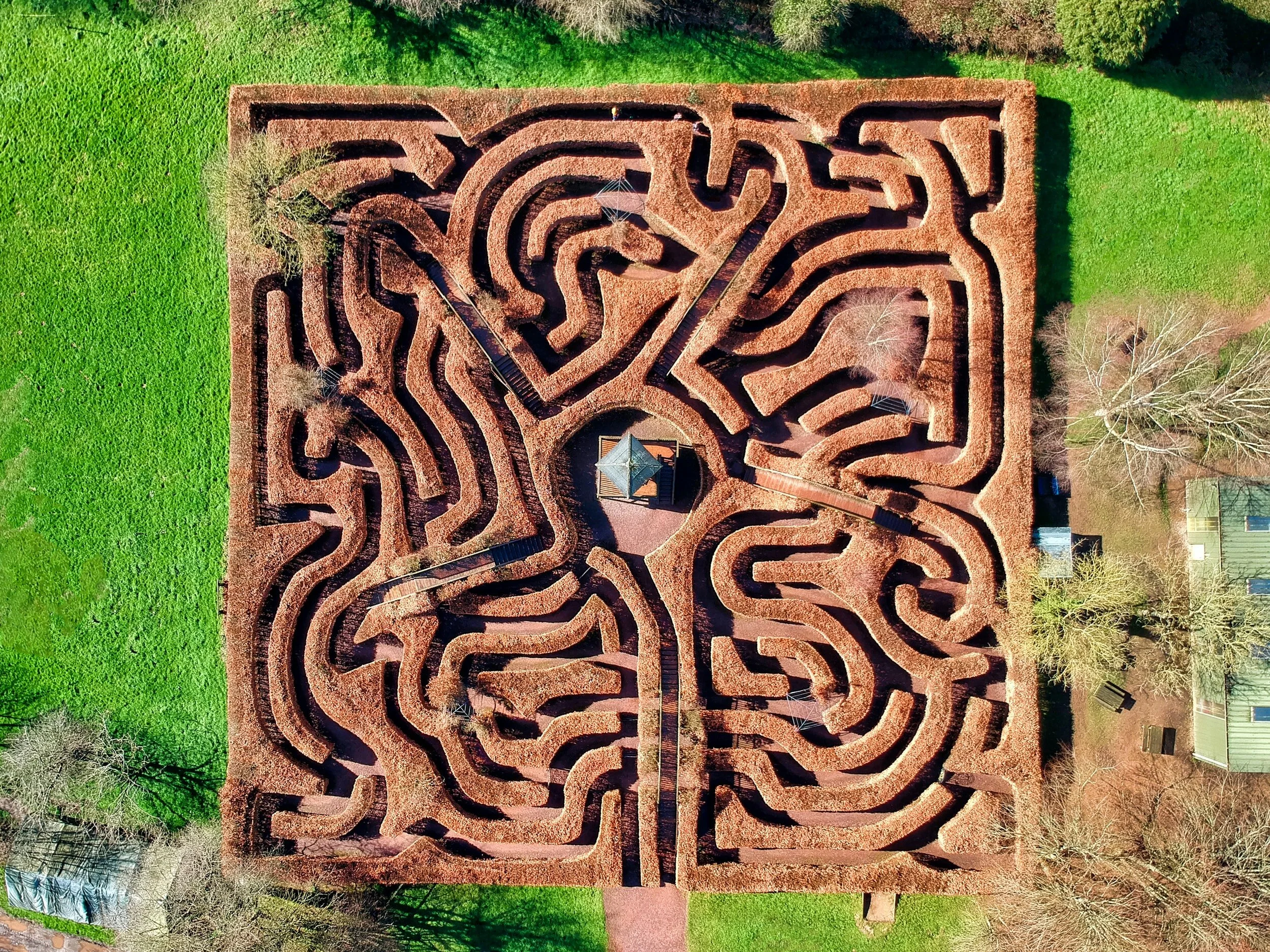
The Labyrinth
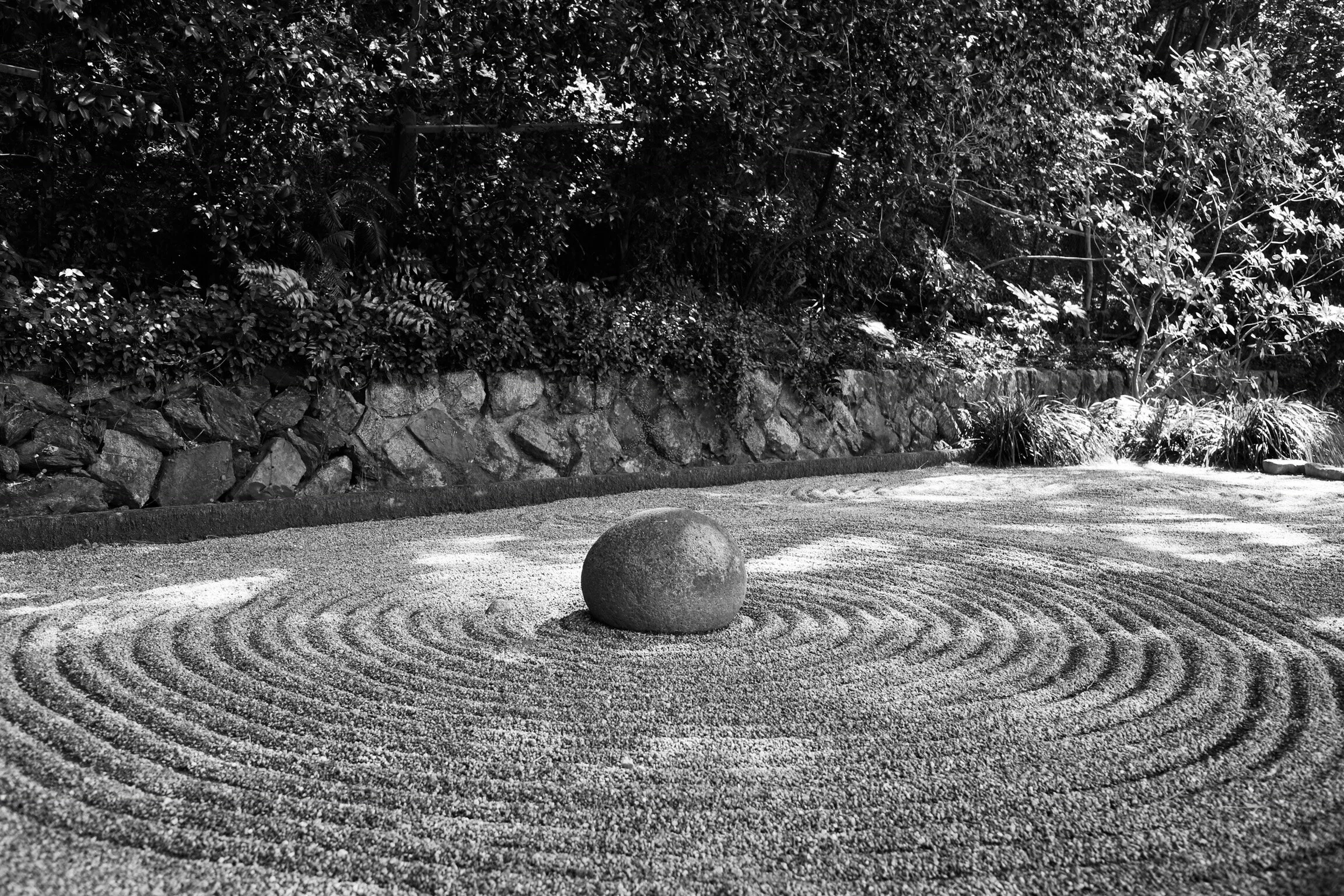
Labyrinths from mythology are described more as mental quests, a challenge of the mind for the hero to overcome. Labyrinths are a deadly loss of misdirection, physically and mentally. The most famous story is the creation of the labyrinth, created by Daedalus, the greatest inventor and master craftsmen in all of Athens, Greece, for King Minos of Crete to conceal his monstrous son, the Minotaur, a creature half-man, and half bull. Theseus, the hero of this myth was sentenced as a sacrifice for the Minotaur but was helped by King Minos’ daughter Ariadne, who gave him a pure thread to retrace his steps and slay the monster.
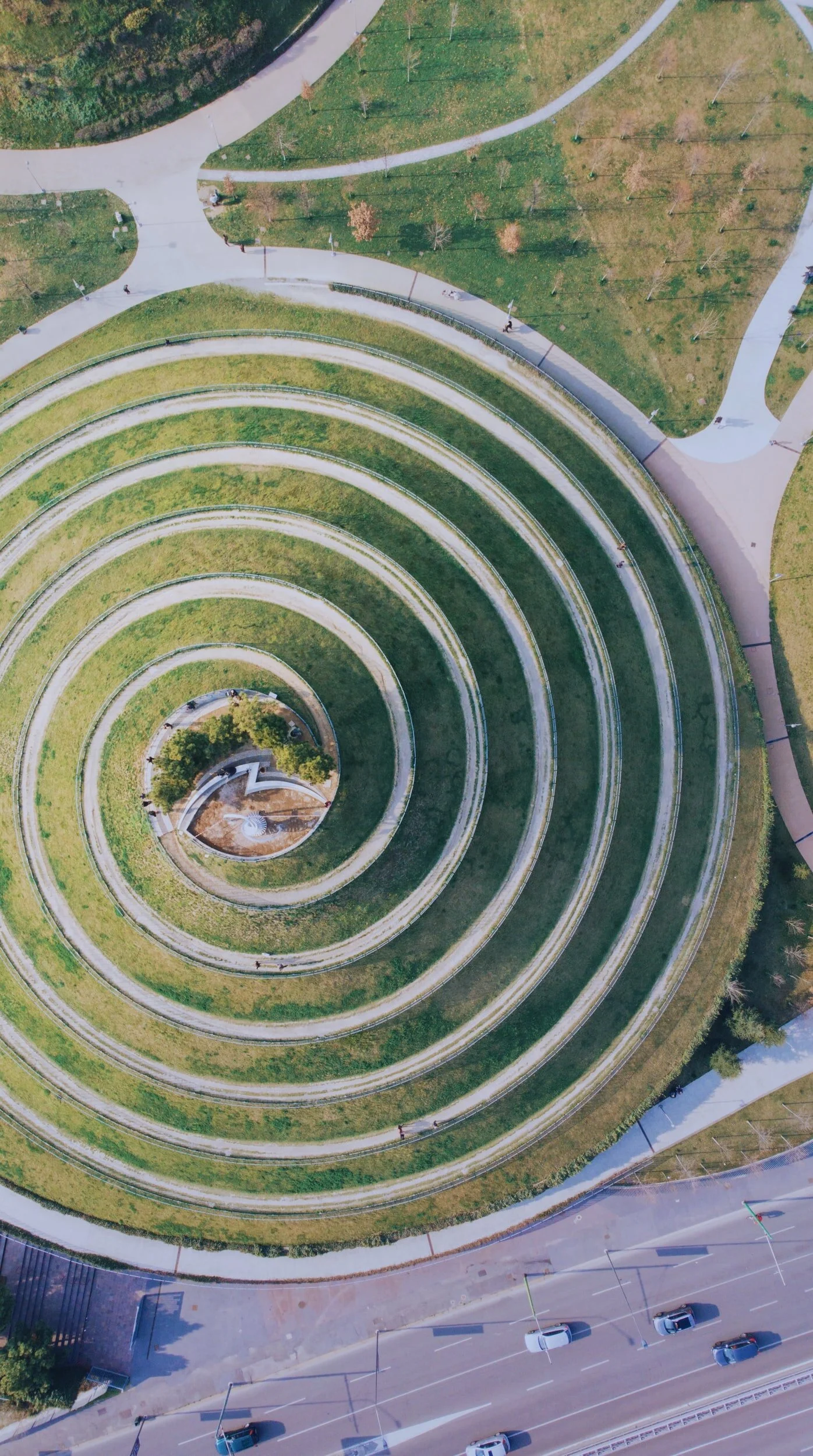
Several films, poems, and books talk about labyrinths and then some. Labyrinths are seen as grand symbols, as human beings have been fascinated with them since the beginning of time. The journey of the maze is the main character having to dive into a physical as well as mental underworld of sorts. ‘‘ ‘Labis’ is the Greek term for the double-headed ax. The earliest images of labyrinths. Their passageways like ripples or echoes radiating from the form of a double-headed ax; The acquisition of language, the mind-body problem, the question of meaning, of free will, consciousness. And the nature of that innate faculty of the ethical. Robert Morris says, ‘‘ideals, the admirable, right and wrong, the good, logic, principles. All connected in any given form of life. But maybe down deeper things are simpler.’’

Every corner of the world covers the symbolism of the linear one-way labyrinth as a pathway towards the center, towards salvation, God, and the tree of life. Trees play an important role, as they are connected to the labyrinth, they too are connected to the symbols of life, in Christianity and paganism. It is the archetype of the human experience and self idealization and leads us down a quest where the only way is through, emotionally, psychologically, and physically. The labyrinth is an ancient symbol that relates to wholeness, combining the imagery of the circle and the spiral into a meandering but purposeful path. It represents a journey to our own center and back again out into the world. ‘‘They [Labyrinths] have long been used as meditation and prayer tools. They have been found in ancient Crete, Egypt, and Etruscan; they have been inscribed on Neolithic tombs. They are a call to the center, a worship structure where the eternal beloved waits to be encountered. The labyrinth has always been associated with unity with God and conversation with the divine, with spirituality, worship, and the sacred mystery. Long ago, Christians were expected to travel to the holy land at least once during their lives. But as travel was often both difficult and dangerous, labyrinths were designed as alternative pilgrimages. If travel was out of the question, spiritual merit could be gained by walking a labyrinth.’’
The Origins of Fairies
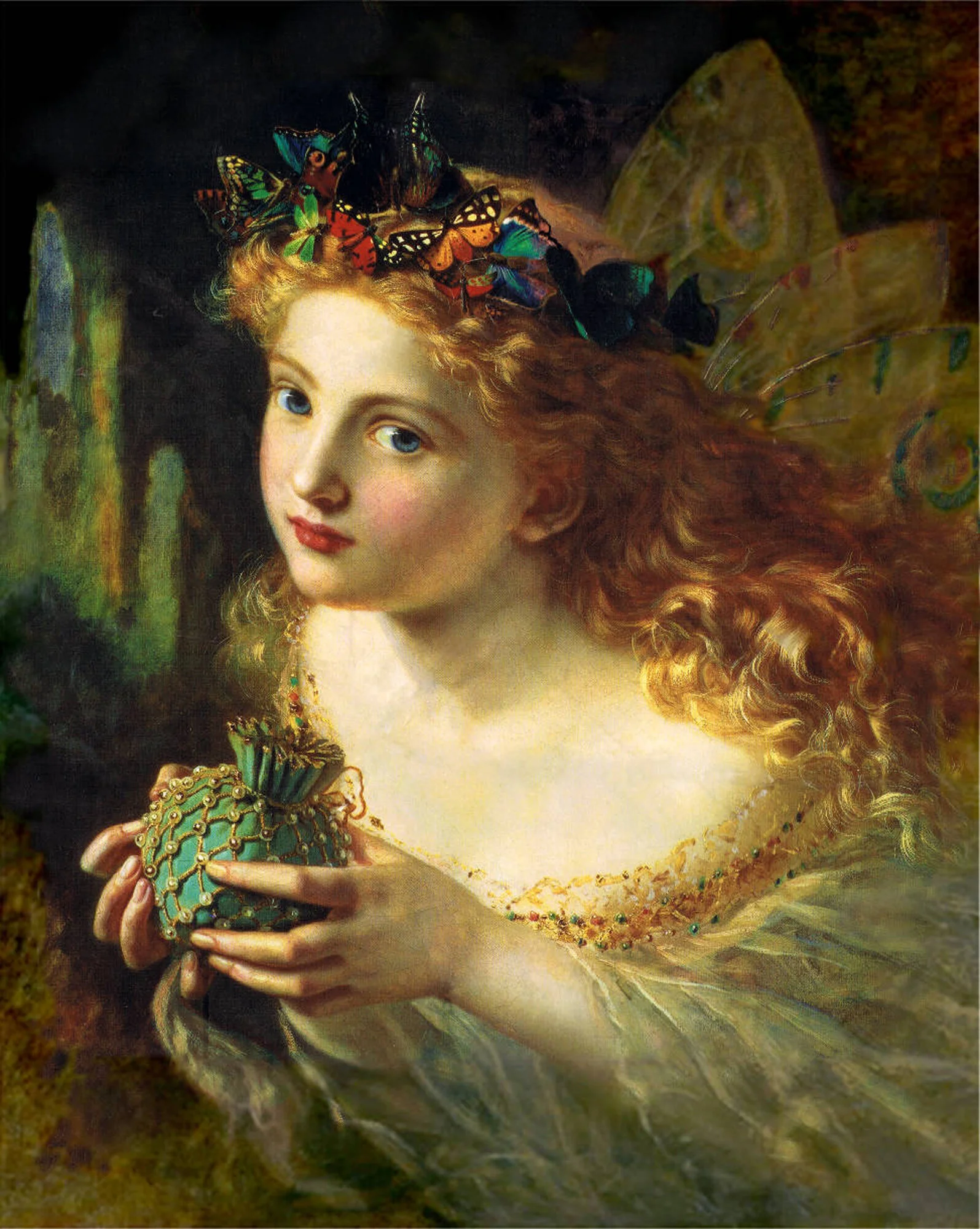
They have fascinated people, young and old, but especially children. So how did they come to be? Where did the term ‘fairy’ or, ‘fairie’ originate? Why are they closely associated with femininity, and was that their original purpose when they were created? Were they created?
Fairies are magical creatures, and all manners of children are obsessed with just the mention of them. Not to mention the Disney-ified version of fairies like ‘‘Tinkerbell’’. But where or what was the was the origination of ‘fairies’? How did people come to call these magical spirits ‘fairies’? And where did the word ‘fairy’ come from, and how has the meaning change over the centuries?
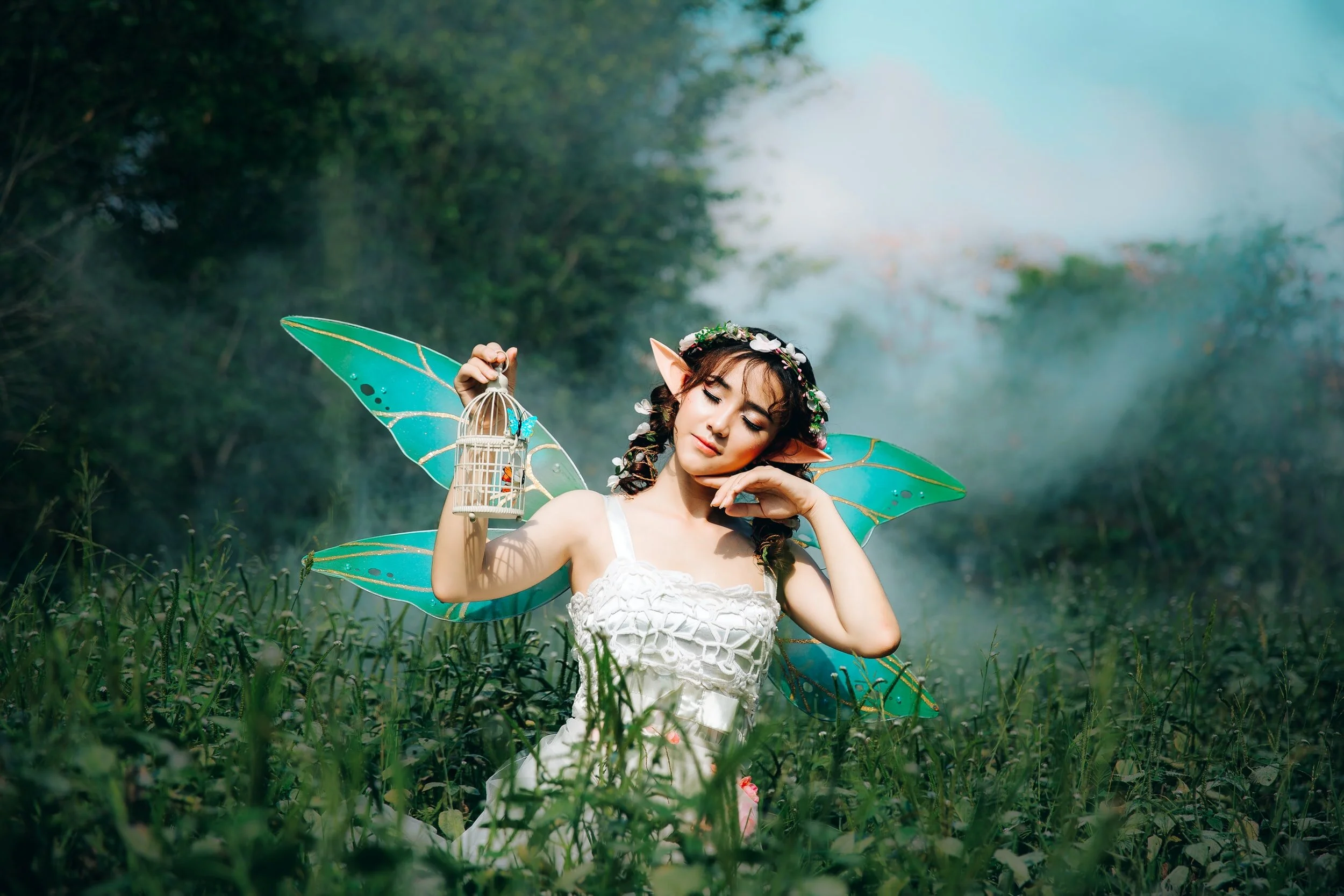
Well, the first question, what are the origins of fairies, or ‘fairyland’? Fairies are most widely mentioned in Gaelic literature, meaning Ireland, and are vastly integral to the people and culture. ‘Ireland is the country of Fairies. Fully to understand the Irish temperament, therefore it is necessary to know Ireland’s Fairy lore. Since the Fairies are mentioned first and most frequently in the literature written in the Irish languages of centuries ago, we must turn for information to the great mass of poems and stories from the twelfth to the sixteenth century. The Fairies of ancient Ireland belonged to a race known as ‘Tuath De Danaan’ came to Ireland, legend says from the ‘northern isles of the world, where they had been learning lore and magic and druidism and wizardry and cunning until they surpassed the sages of the arts of heathendom.’ ’’

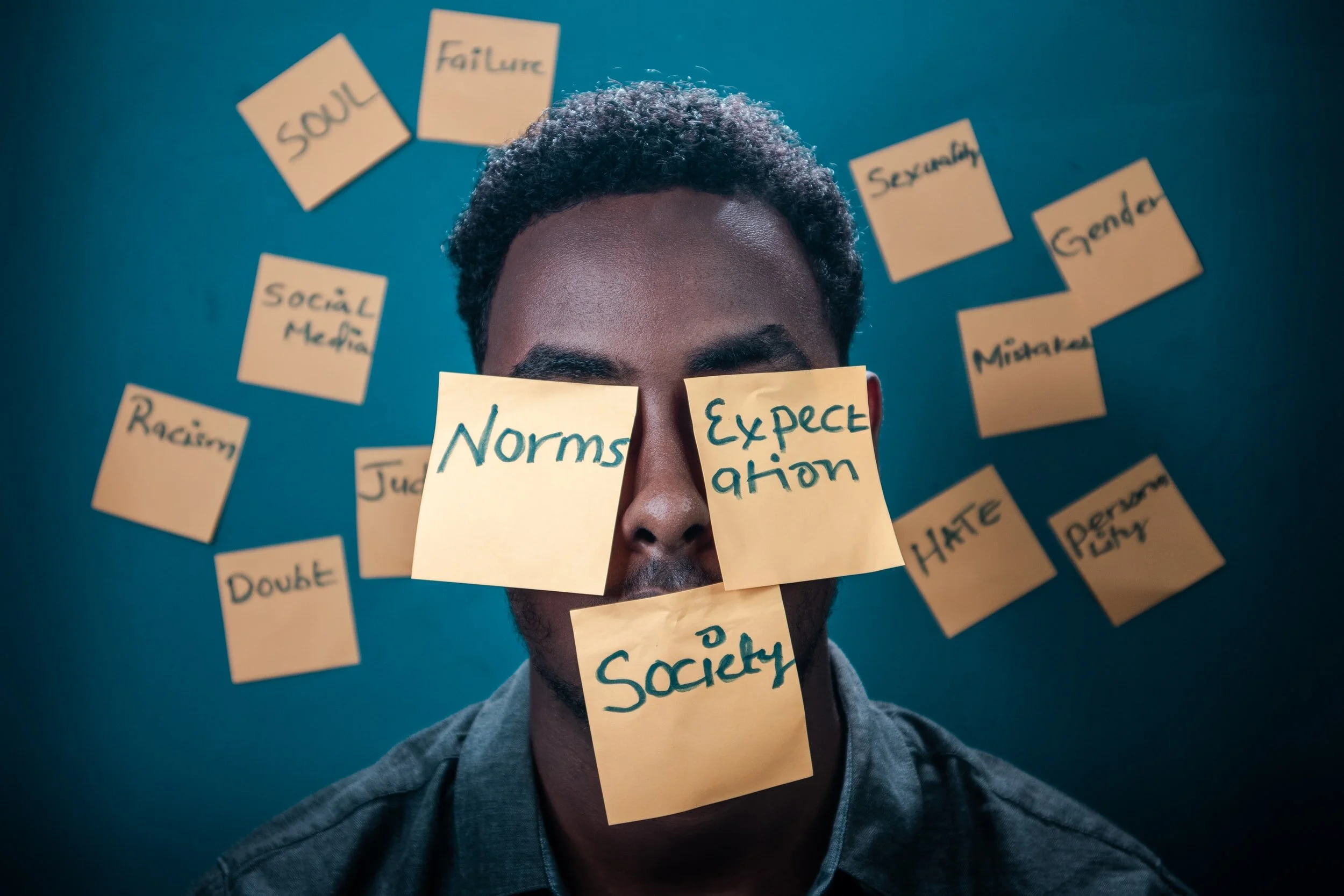
Why then, have the mention of fairies been connected to the feminine, and feminine ideals? Because beauty standards rely heavily on gender, and ‘fairies’ with their magical art forms, have become twisted and their original ‘conquering form’ forgotten, and what better way to reinforce this than by using children’s fairy tales, which emphasizing women’s beauty and passivity, which serve to legitimize the dominant gendered system. ‘‘Research since the early 1970s has shown that children’s literature contains explicit and implicit messages about dominant power structures in society, especially those concerning gender. Fairy tales written during the eighteenth and nineteenth were intended to teach girls and young women how to become domesticated, respectable, and attractive to a marriage partner and to teach boys and girls appropriated gendered values, and attitudes.’’
Finally, where did the word ‘fairie’ come from? ‘‘They were at first, as established up above, called the ‘De Dannans’, who came to conquer those who were already in possession of Ireland, but were overcome with the ‘Mileasans’, a mythical race said to be the ancestors of modern Irishmen, and settled in a seperate part of the island, retiring into the green hills, where they required a new name: People of the Fairy Mound, or Aes Side (Ace Shithe, or Shee). As clouds are shot through with lightning, so is early Irish literature with accounts of invaders who became the Fairy Folk. ‘In Ireland, the Fairies have never been forgotten’: Brian Merriman, the last Gaelic poet of prominence, speaks of them as the treasure of his country in time of trouble, and Patrick MacGill, the Donegal poet, expressed the same idea when, amid the terrors of the battlefield, he wrote, ‘If we forget the Fairies,
And tread upon the rings,
God will perchance forget us,
And think of other things.
When we forget you, Fairies,
Who guard our spirits’ light:
God will forget the morrow,
And Day forget the Night’’.
.
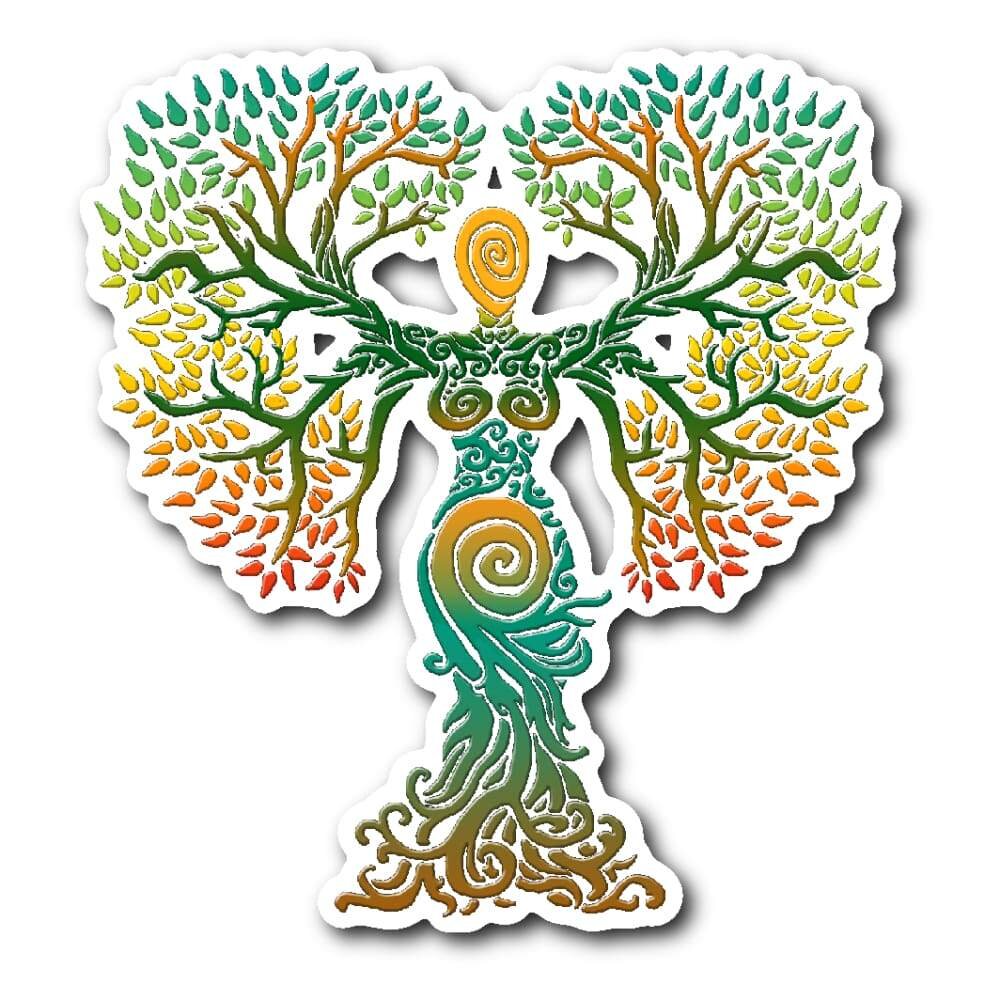
The Great Goddesses
NO. 1
Polytheism is the belief in multiple gods, the entertainment of monsters, heroes, and spirits, and the worship of nature. There are all sorts of gods responsible for all sorts of natural, magical, and human qualities and aspects, like fertility goddesses. Fertility goddesses are the complete representation of the fertility of women in general and of the land they live upon.
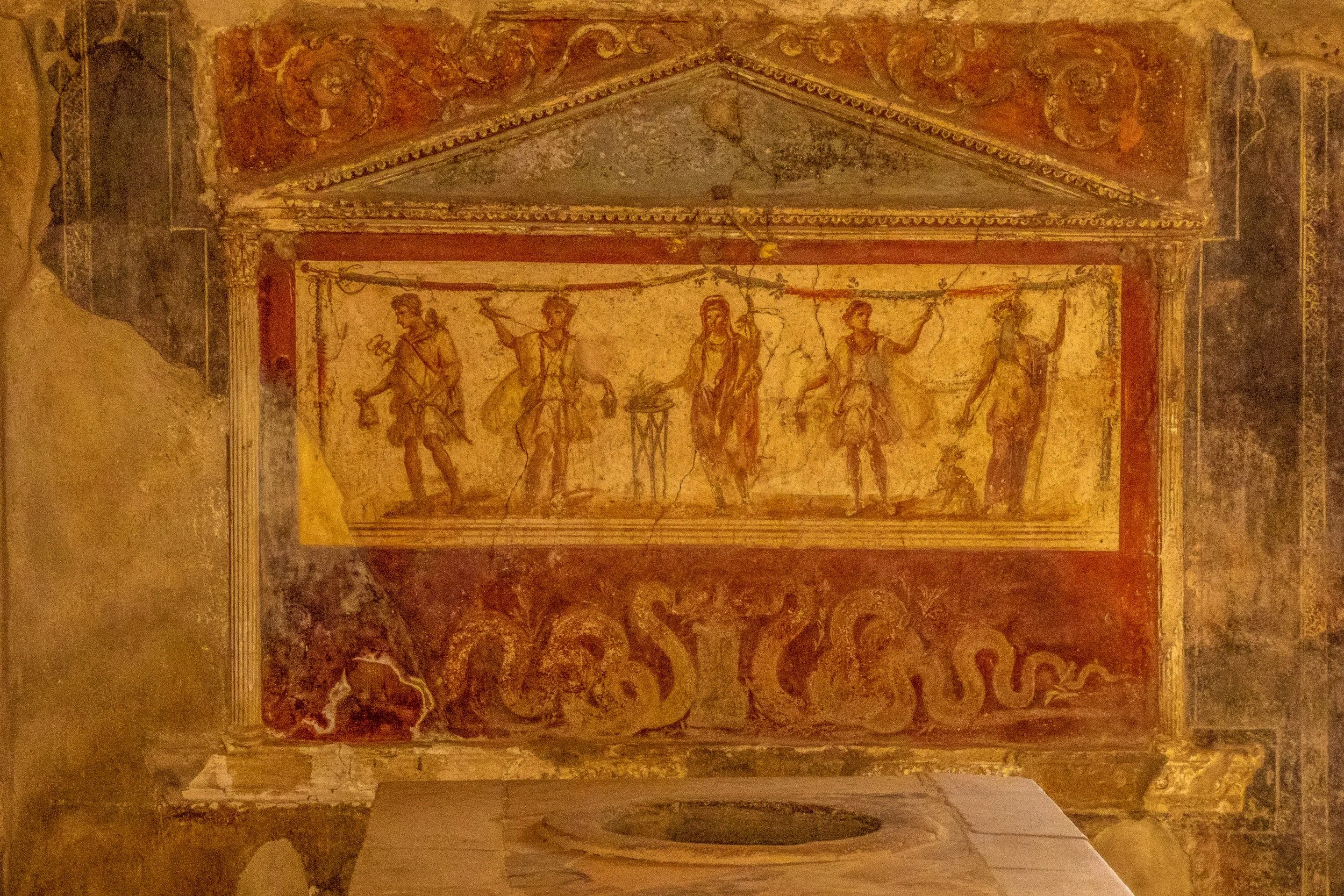
NO.2
The original fertility goddess humans worshiped was the ‘‘Great Mother’’ or ‘Mother Earth’. These female archetypes are usually mothers of other deities. They manifest many different aspects of the female and the natural world. ‘‘The Goddess is the power of intelligent embodied love that is the ground of all beings. The earth is the body of the Goddess. All beings are interdependent in the web of life. Nature is intelligent, alive, and aware. As part of nature, human beings are relational, embodied, and interdependent. The basics of ethics are the feeling of deep connection to all people and all beings in the web of life. The symbols and rituals of the Goddess religion bring these values to consciousness and help us build communities in which we can create a more just, peaceful, and harmonious world.’’
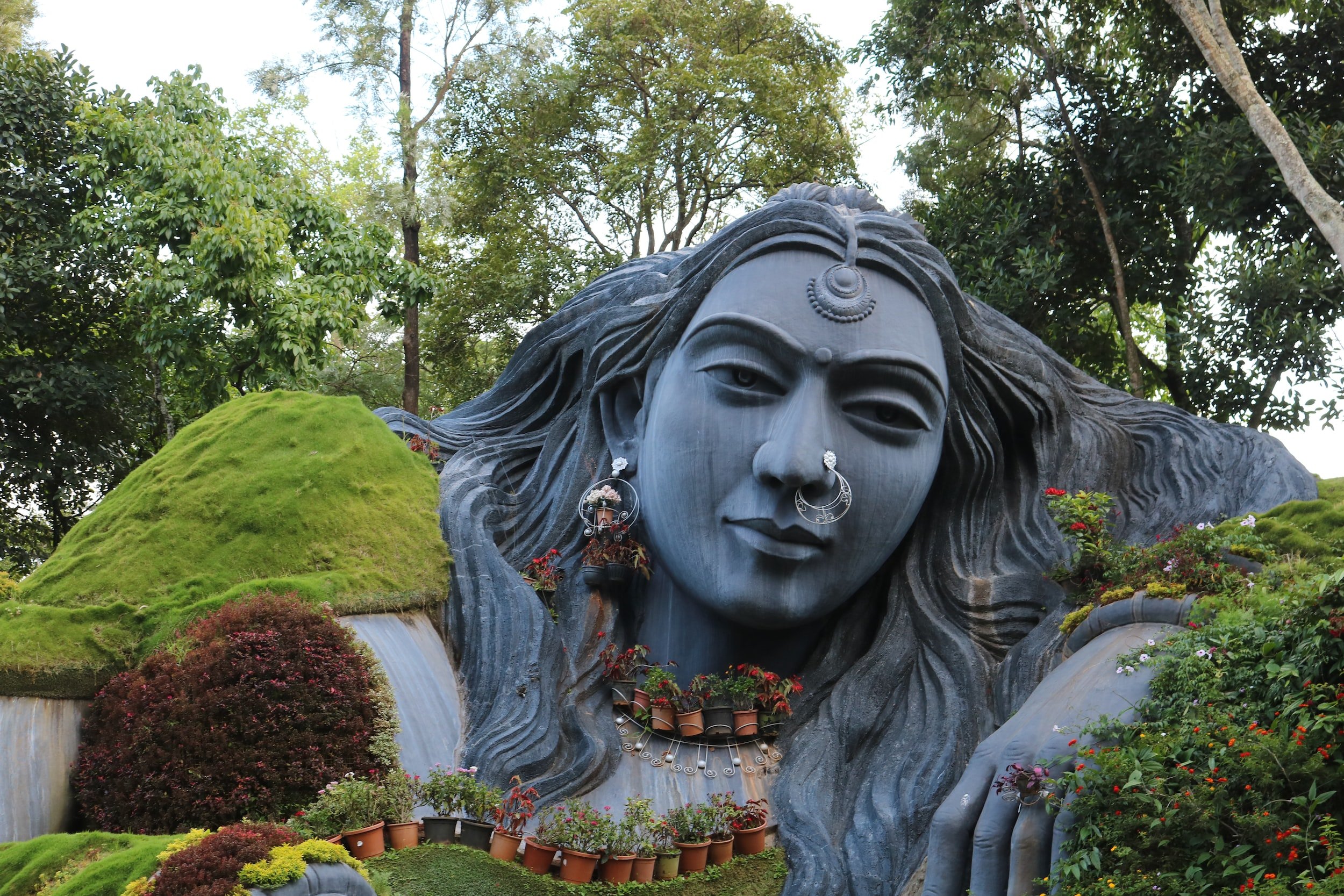
NO. 3
Every culture before Christianity, worshipped polytheism and essentially the Great Goddess which is connected to all nature and therefore, all life. Worshipped as the giver of life, fertility, and prosperity, she is still celebrated today in many cultures around the world.