Krampus, the legend!
During the Christmas season, every young boy and girl awaits their presents and gifts with eagerness, hoping for Santa to make their way to their homes. The saying, you better watch out, you better not cry, you better not pout is the official song for Santa Claus as he is checking his list for all the good boys and girls. But for those who are naughty children, the invention of the famed horned goat Krampus who works together with St. Nick.

NO. 2
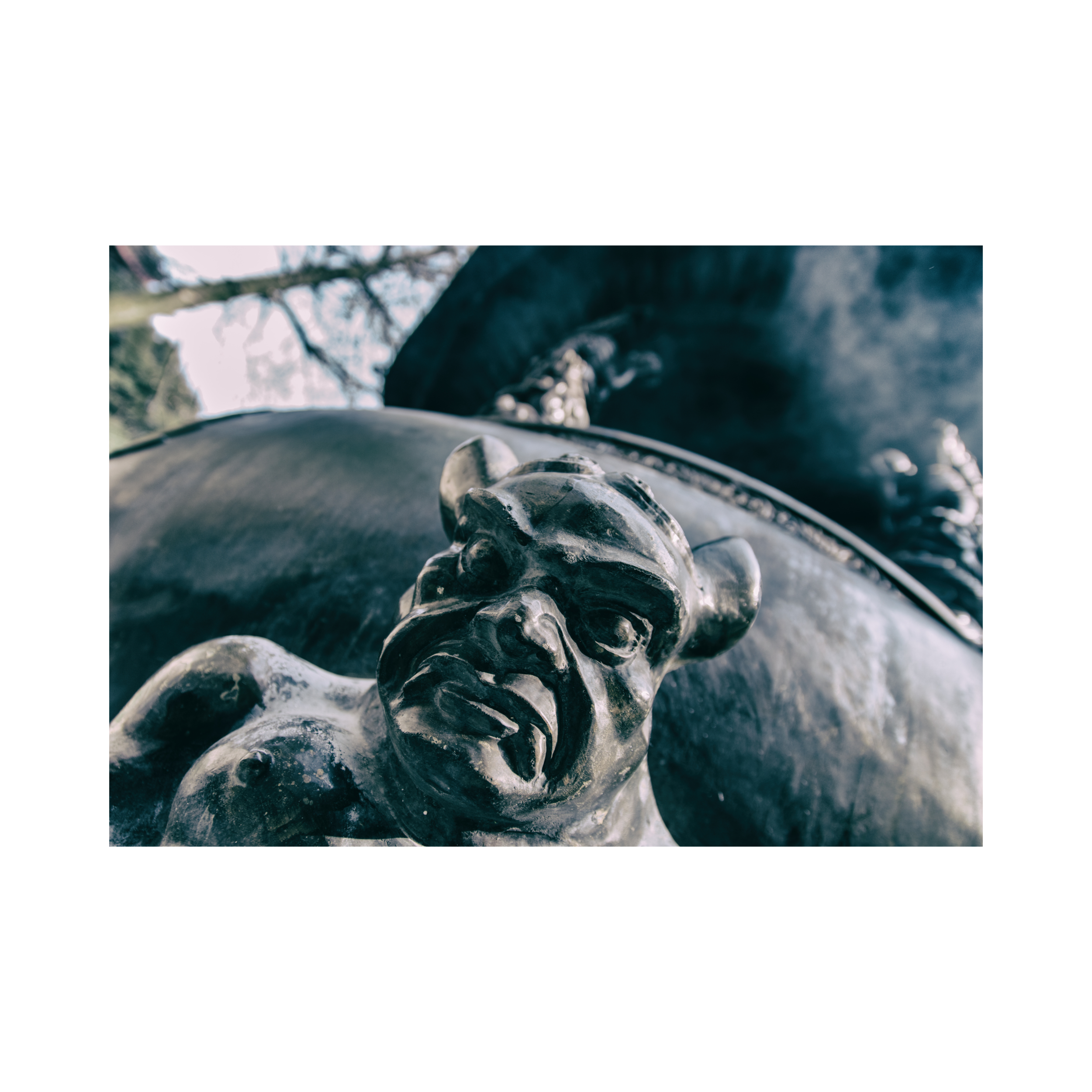
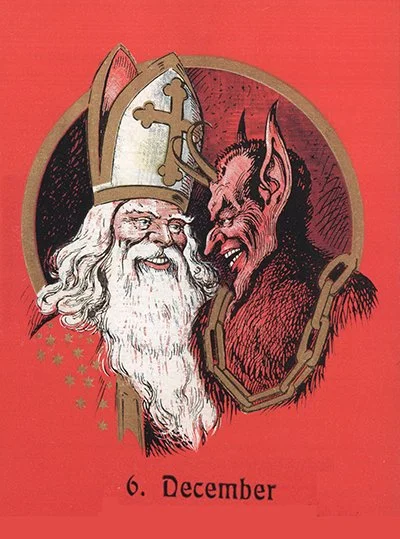
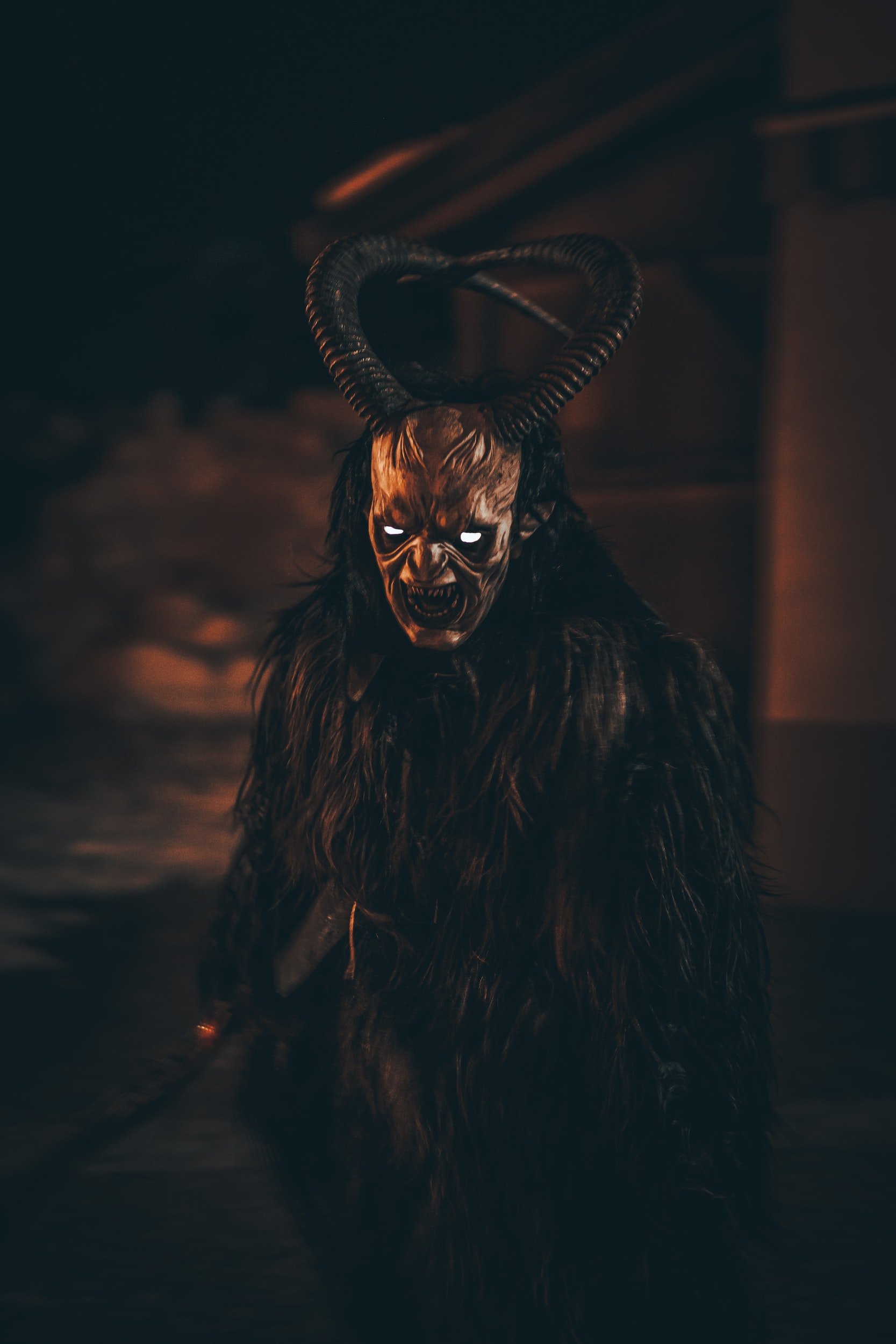
Created in Eastern European folklore, Krampus, meaning ‘claw’, is depicted as a horned, half-demon like monster who terrorizes naughty children, hitting them and beating them with whips, other versions having him with chains, sometimes shaking them to scare the children, equipped with a sack or a basket strapped to his back, to cart off the children chosen to be either eaten or dragged to Hell. He even has a holiday dedicated just to him, celebrated in Germany and now, because of the film, in America as well, called Krampusnacht, or Krampus Night, on December 6. In this long and very funny tradition, spectators dressed up as Krampus appears in the streets, visiting homes and business, along with his devilish accomplices, evil elves and imps, the total anthesis of Santa Claus, who help Krampus scare people and onlookers in the streets.

NO. 3
Because of the resurgence of the celebration of Krampus in the late 19th century, including popular greeting cards with his image and funny rhymes and poems, not to mention the many horror movies or TV shows in North America, gaining traction and popularity every time Christmas comes around. Or maybe it’s because of the intense, heavy commercialization around Christmas time, meant for family and friends. So, here’s the question, do you celebrate Krampus, or Christmas as a whole, or do you think he’s just a myth better left to the children?
The tale of Lilith
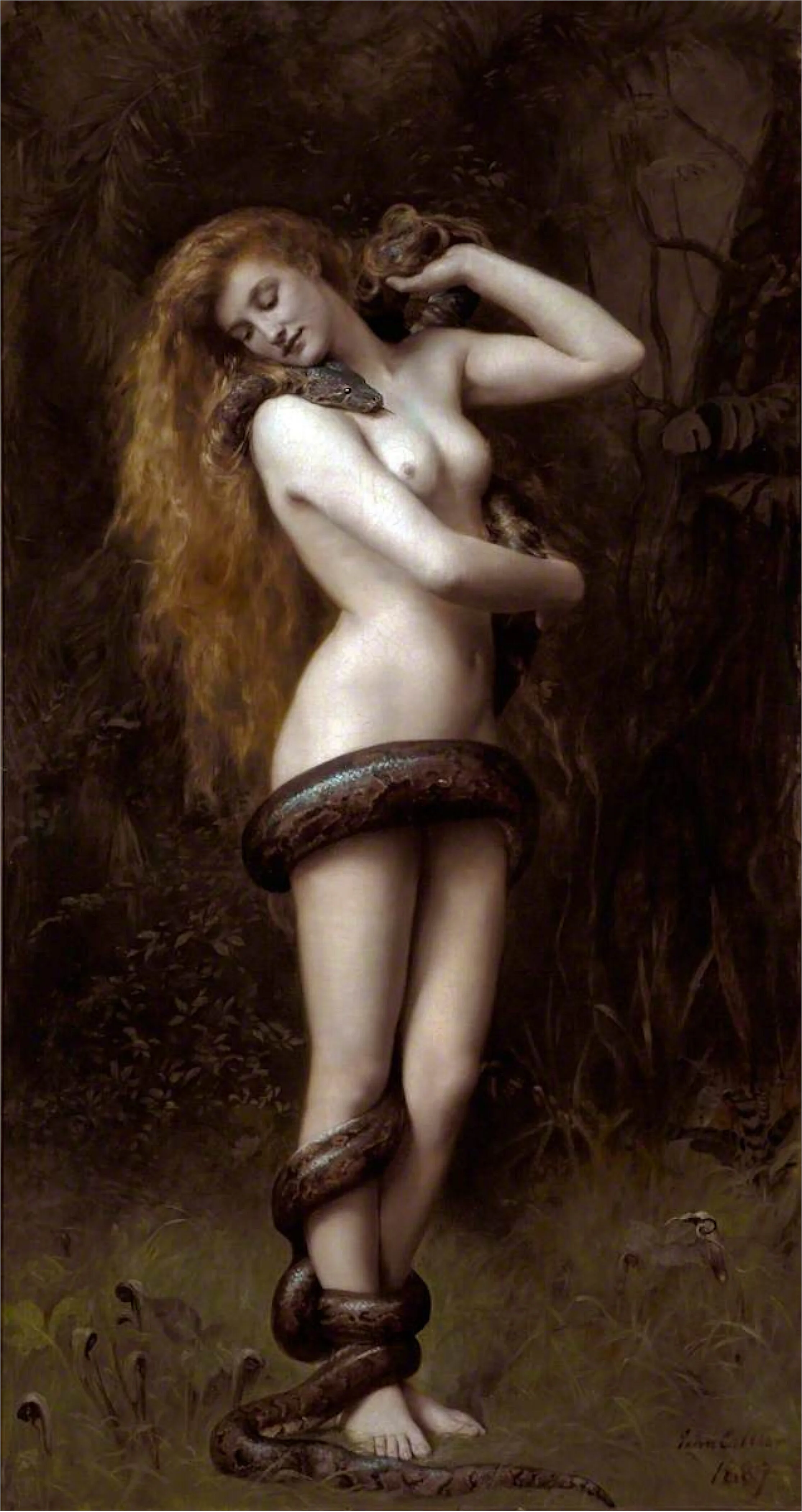
There are a lot of accounts about the ‘demon-ness Lilith’, and her origin story leads a lot to be desired. Apparently, she was the first wife of Adam in Sumerian folklore, and because she did not want to be under Adam’s control any longer, and became, depending on which account you read, a vampire, a demon-ess, or a harlot, or all three, for not wanting to be apart of ‘God’s plan.’ The Sumerian accounts, taken from the 3rd millennium, were the first accounts of what happened to her before the biblical Hebrews surmised of her.
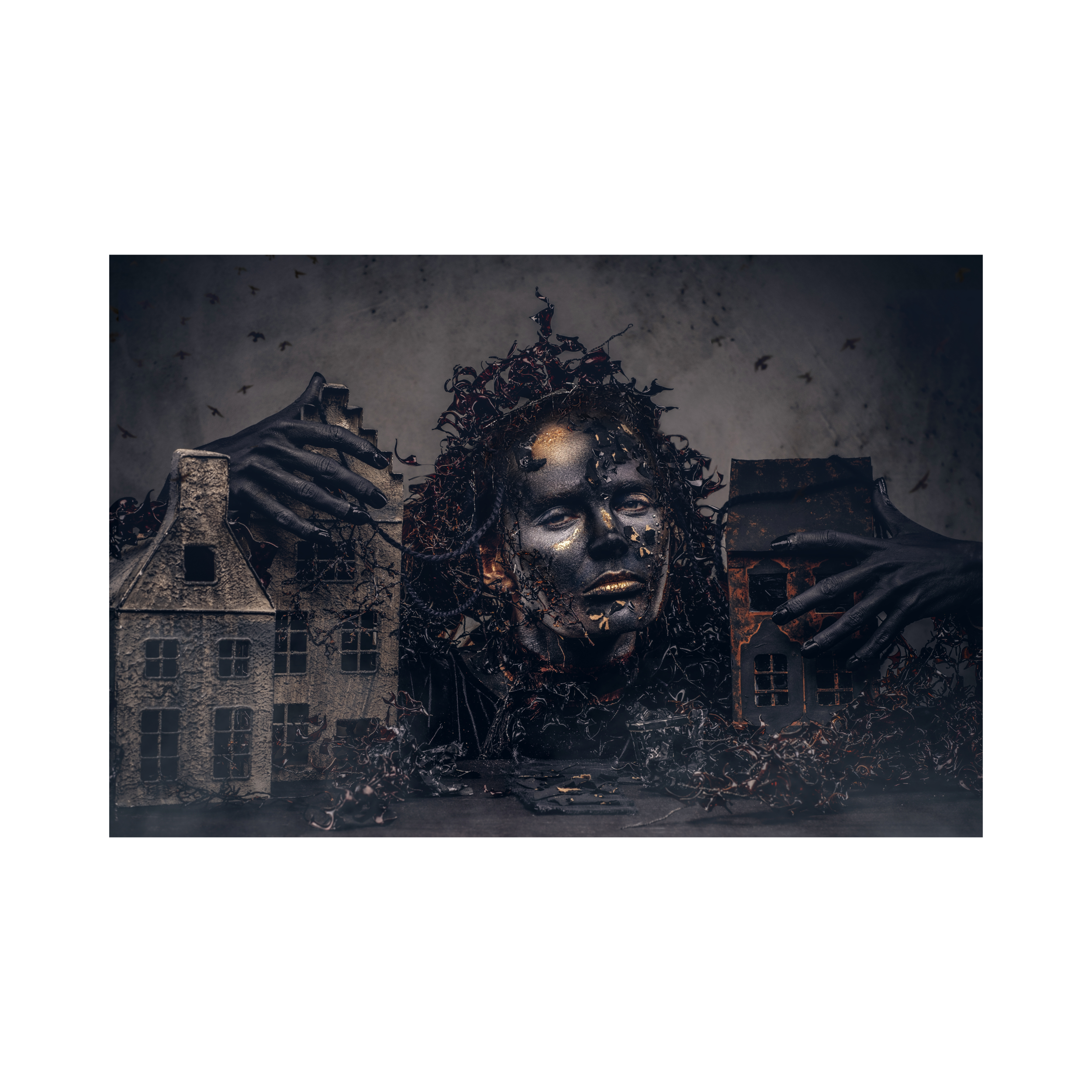
She is described as a ‘beautiful maiden’ but was believed to be a harlot, who once took a lover, offered no satisfaction to him, nor would she ever let him go. According to the Sumerian epic, dating from around 2000 B.C, ‘Gilgamesh and the Huluppu Tree’ and was ‘‘believed to appear to have human eyes. She is slender, well-shaped, beautiful, and nude, with wings, and owl feet. She stands erect on two reclining lions which are turned away from each other and are flanked by owls. On her head, she wears a cap embellished by several pairs of horns. In her hand, she holds a ring-and-rod combination. Evidently, this is no longer a lowly she-demon, but a goddess who tames wild beasts, and as shown by the owls on the reliefs, rules by night.’’
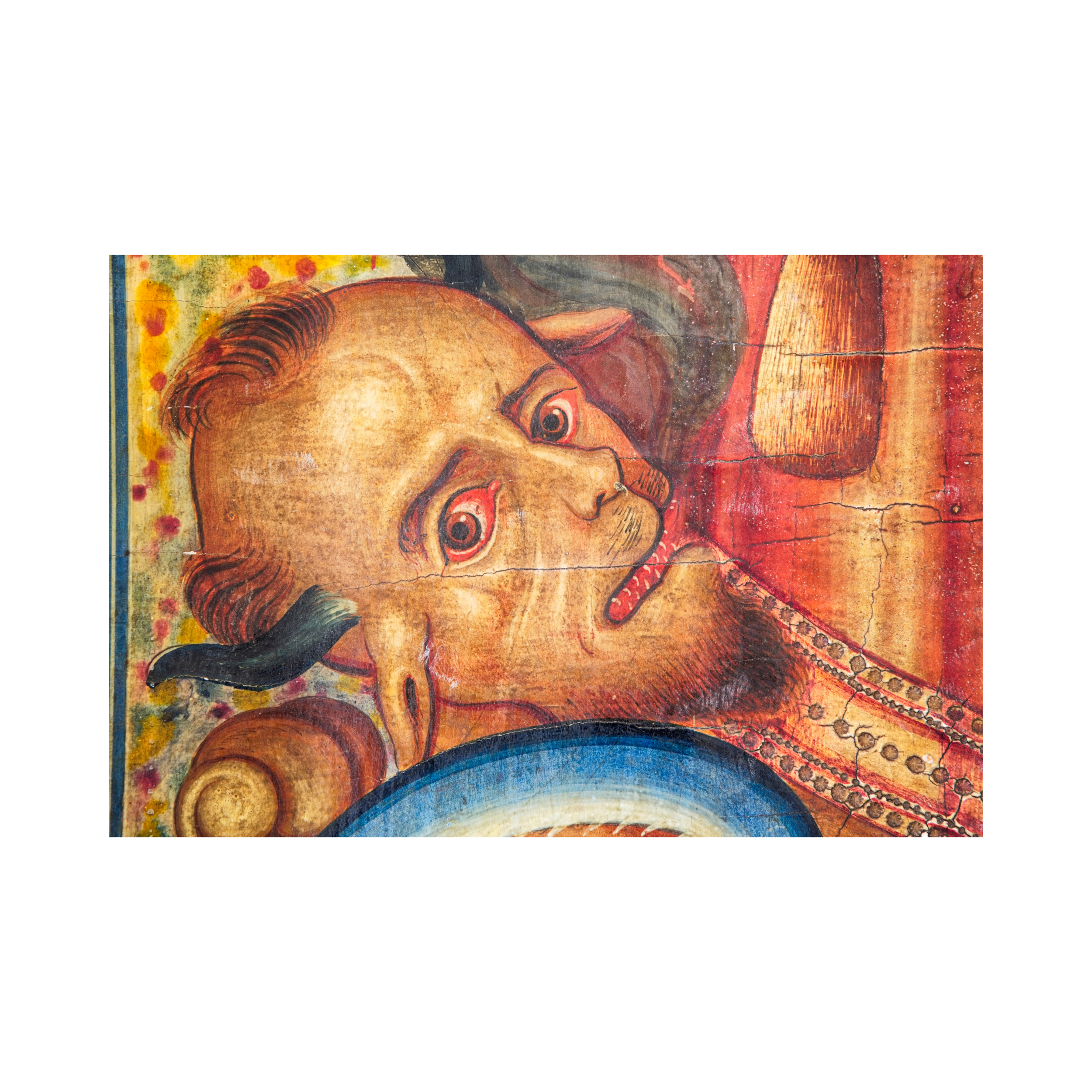
Apparently, the earliest mention of the ‘she-demon, whose name is similar to that of Lilith is found in the Sumerian king list which dates from around 2400 B.C. ‘‘It states, that the father of the great Gilgamesh was a Lilu-demon. The Lilu was one of four demons belonging to an incubi-succubae class. The other three were Lilitu (Lilith), a she-demon; Ardat Lili, or her handmaiden, who visited men in the night and bore them ghostly children. There is also the tale of the Irdu Lili, who was her male counterpart and would visit women and beget children by them. Originally these were storm demons, but because of a mistaken etymology, they came to be regarded as night demons. On one brief reference to Lilith in the Bible, Isaiah 34:14, in describing Yahweh’s (God) day of vengeance, says: The wild cat shall meet with the jackals, And the satyr shall cry to to his fellow, Yea, Lilith shall repose there, And find her a place of rest.’’