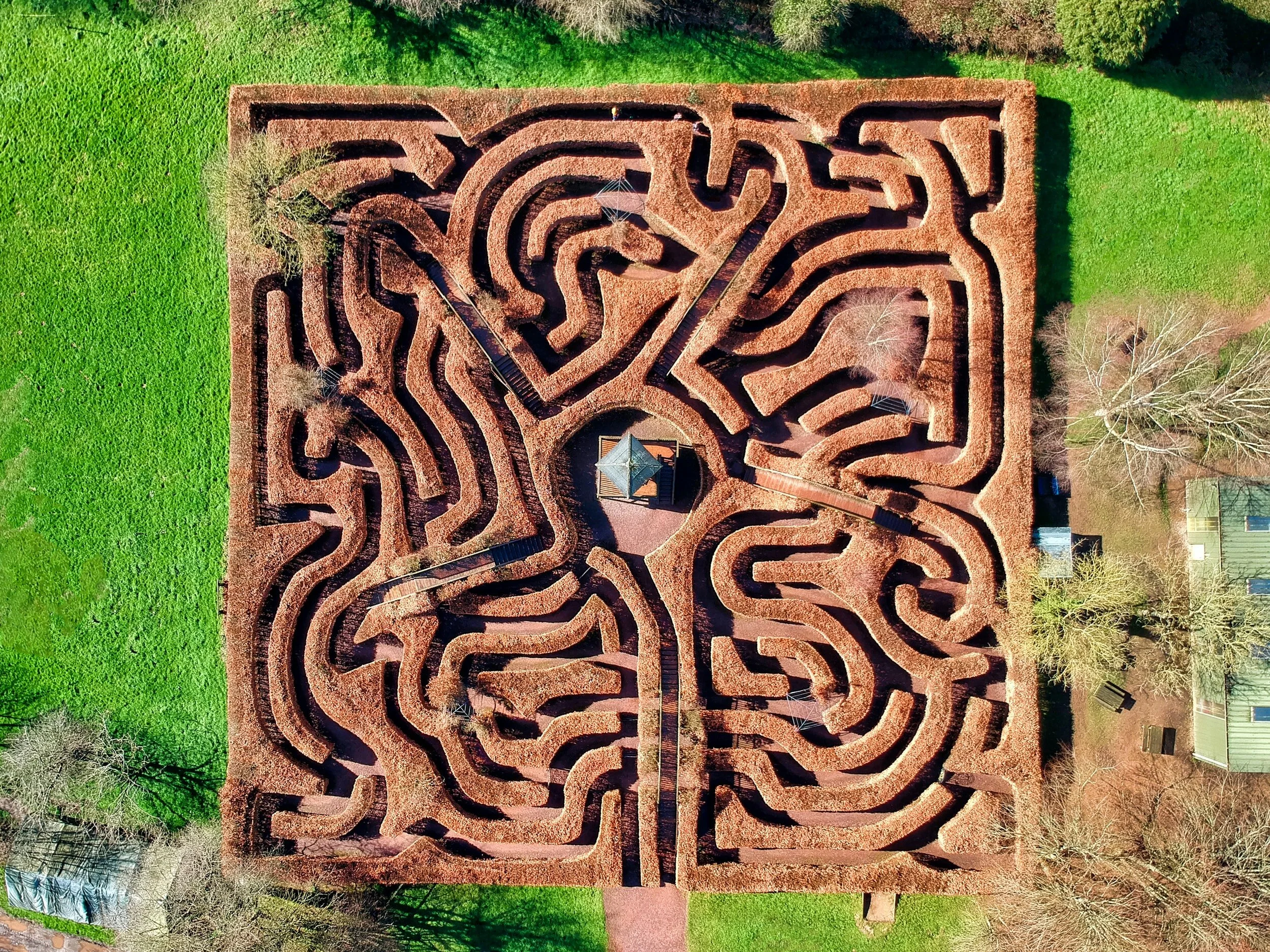
The Labyrinth
Labyrinths from mythology are described more as mental quests, a challenge of the mind for the hero to overcome. Labyrinths are a deadly loss of misdirection, physically and mentally. The most famous story is the creation of the labyrinth, created by Daedalus, the greatest inventor and master craftsmen in all of Athens, Greece, for King Minos of Crete to conceal his monstrous son, the Minotaur, a creature half-man, and half bull. Theseus, the hero of this myth was sentenced as a sacrifice for the Minotaur but was helped by King Minos’ daughter Ariadne, who gave him a pure thread to retrace his steps and slay the monster.

Several films, poems, and books talk about labyrinths and then some. Labyrinths are seen as grand symbols, as human beings have been fascinated with them since the beginning of time. The journey of the maze is the main character having to dive into a physical as well as mental underworld of sorts. ‘‘ ‘Labis’ is the Greek term for the double-headed ax. The earliest images of labyrinths. Their passageways like ripples or echoes radiating from the form of a double-headed ax; The acquisition of language, the mind-body problem, the question of meaning, of free will, consciousness. And the nature of that innate faculty of the ethical. Robert Morris says, ‘‘ideals, the admirable, right and wrong, the good, logic, principles. All connected in any given form of life. But maybe down deeper things are simpler.’’

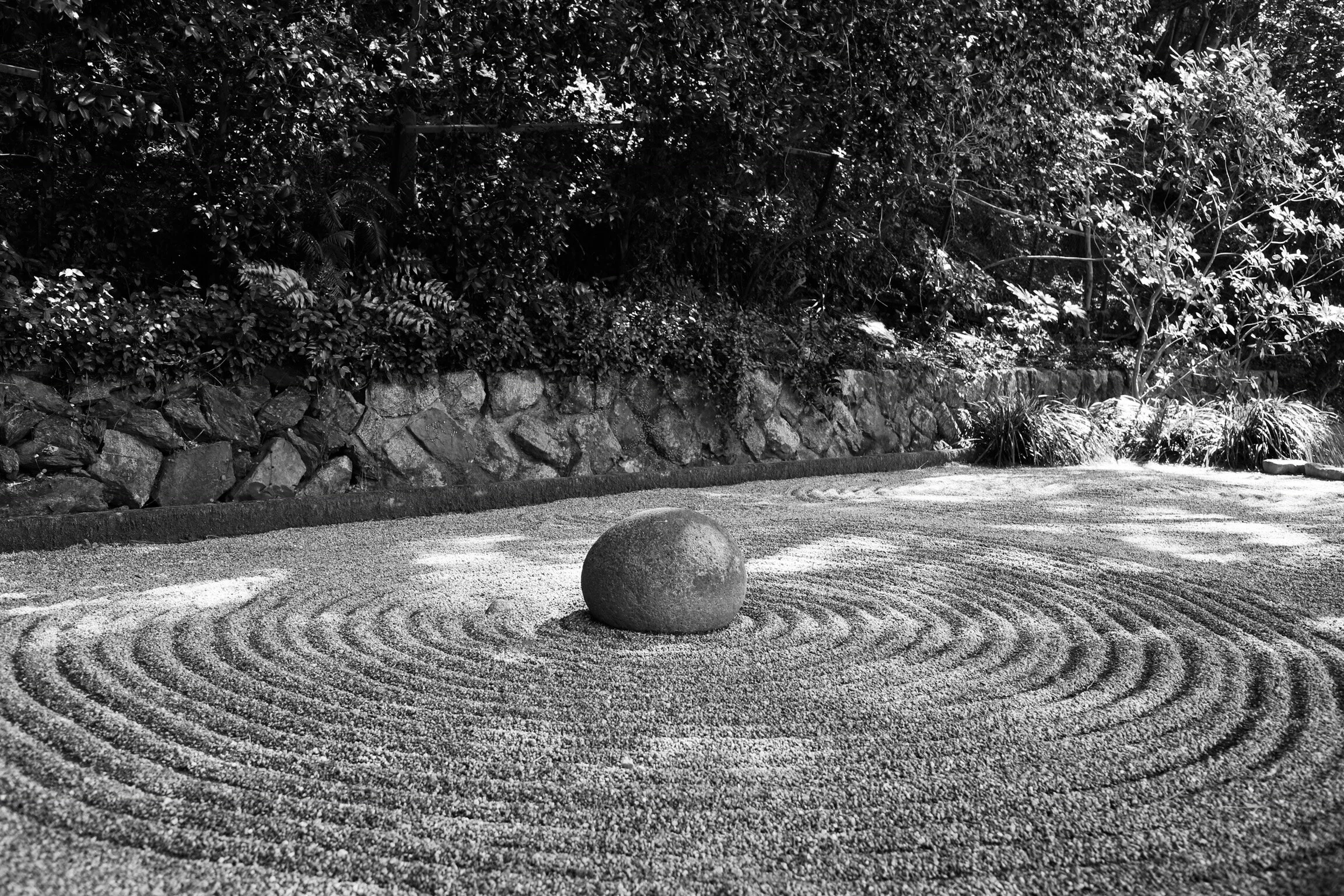
Every corner of the world covers the symbolism of the linear one-way labyrinth as a pathway towards the center, towards salvation, God, and the tree of life. Trees play an important role, as they are connected to the labyrinth, they too are connected to the symbols of life, in Christianity and paganism. It is the archetype of the human experience and self idealization and leads us down a quest where the only way is through, emotionally, psychologically, and physically. The labyrinth is an ancient symbol that relates to wholeness, combining the imagery of the circle and the spiral into a meandering but purposeful path. It represents a journey to our own center and back again out into the world. ‘‘They [Labyrinths] have long been used as meditation and prayer tools. They have been found in ancient Crete, Egypt, and Etruscan; they have been inscribed on Neolithic tombs. They are a call to the center, a worship structure where the eternal beloved waits to be encountered. The labyrinth has always been associated with unity with God and conversation with the divine, with spirituality, worship, and the sacred mystery. Long ago, Christians were expected to travel to the holy land at least once during their lives. But as travel was often both difficult and dangerous, labyrinths were designed as alternative pilgrimages. If travel was out of the question, spiritual merit could be gained by walking a labyrinth.’’
The Origins of Fairies
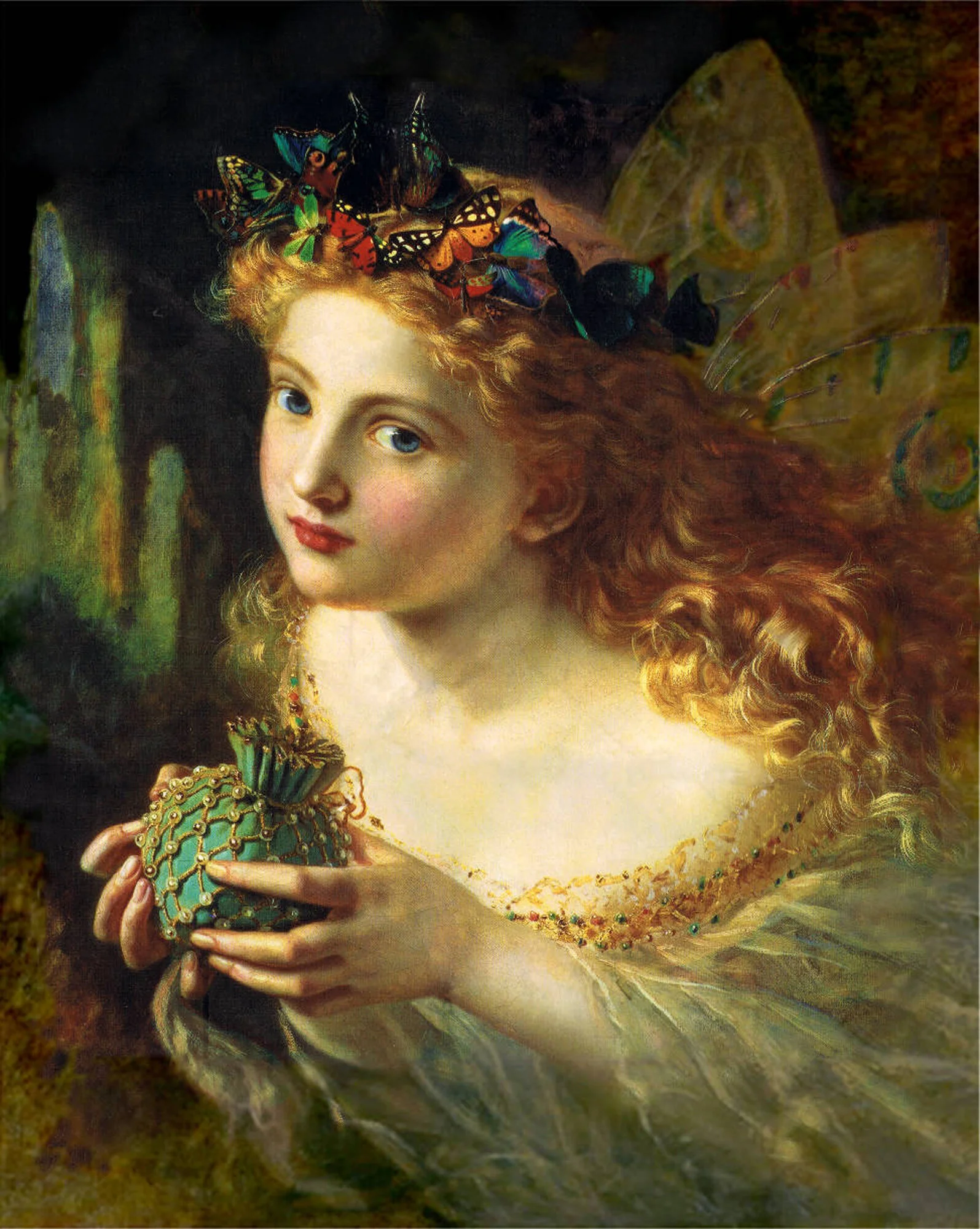
They have fascinated people, young and old, but especially children. So how did they come to be? Where did the term ‘fairy’ or, ‘fairie’ originate? Why are they closely associated with femininity, and was that their original purpose when they were created? Were they created?
Fairies are magical creatures, and all manners of children are obsessed with just the mention of them. Not to mention the Disney-ified version of fairies like ‘‘Tinkerbell’’. But where or what was the was the origination of ‘fairies’? How did people come to call these magical spirits ‘fairies’? And where did the word ‘fairy’ come from, and how has the meaning change over the centuries?
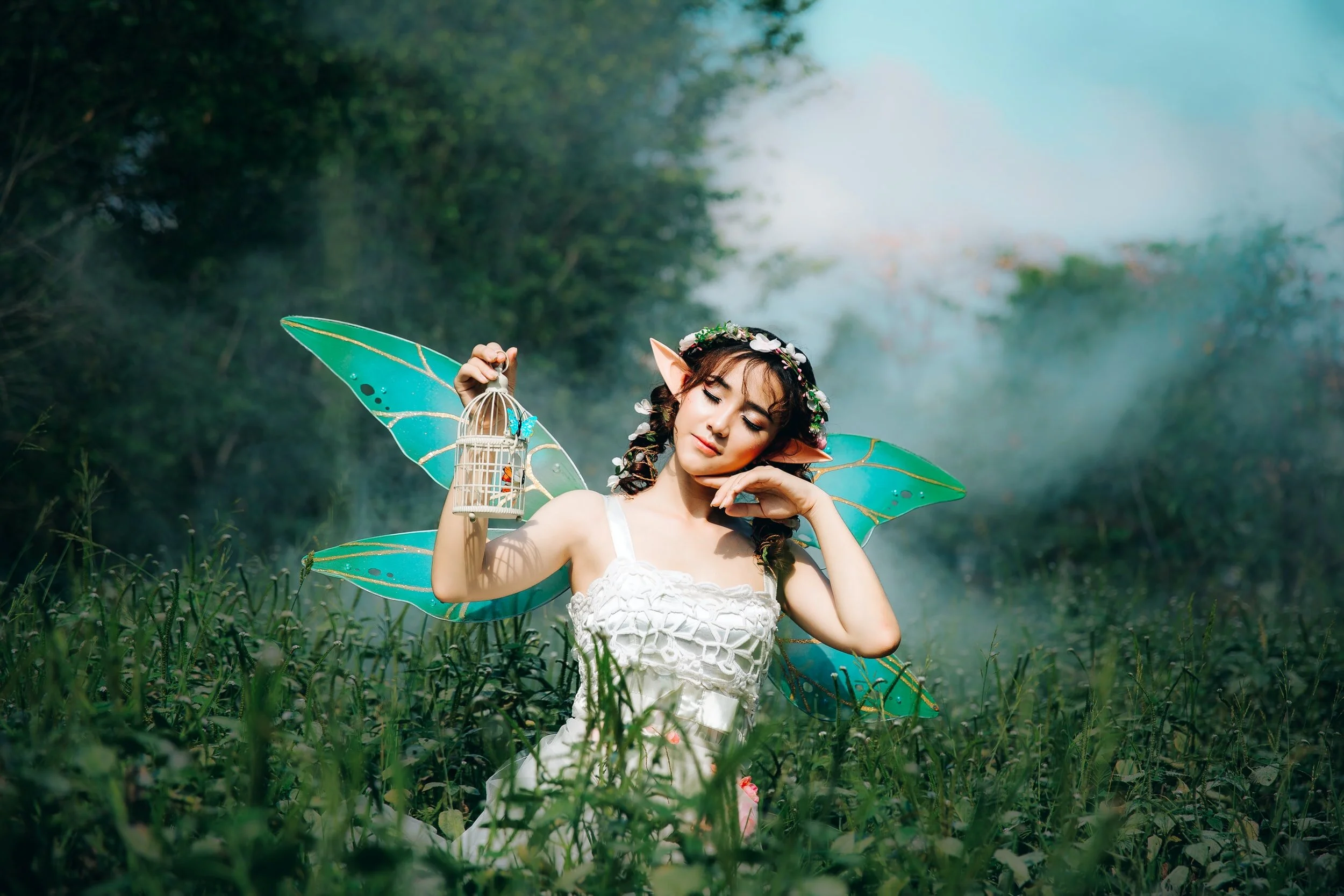
Well, the first question, what are the origins of fairies, or ‘fairyland’? Fairies are most widely mentioned in Gaelic literature, meaning Ireland, and are vastly integral to the people and culture. ‘Ireland is the country of Fairies. Fully to understand the Irish temperament, therefore it is necessary to know Ireland’s Fairy lore. Since the Fairies are mentioned first and most frequently in the literature written in the Irish languages of centuries ago, we must turn for information to the great mass of poems and stories from the twelfth to the sixteenth century. The Fairies of ancient Ireland belonged to a race known as ‘Tuath De Danaan’ came to Ireland, legend says from the ‘northern isles of the world, where they had been learning lore and magic and druidism and wizardry and cunning until they surpassed the sages of the arts of heathendom.’ ’’

Why then, have the mention of fairies been connected to the feminine, and feminine ideals? Because beauty standards rely heavily on gender, and ‘fairies’ with their magical art forms, have become twisted and their original ‘conquering form’ forgotten, and what better way to reinforce this than by using children’s fairy tales, which emphasizing women’s beauty and passivity, which serve to legitimize the dominant gendered system. ‘‘Research since the early 1970s has shown that children’s literature contains explicit and implicit messages about dominant power structures in society, especially those concerning gender. Fairy tales written during the eighteenth and nineteenth were intended to teach girls and young women how to become domesticated, respectable, and attractive to a marriage partner and to teach boys and girls appropriated gendered values, and attitudes.’’

Finally, where did the word ‘fairie’ come from? ‘‘They were at first, as established up above, called the ‘De Dannans’, who came to conquer those who were already in possession of Ireland, but were overcome with the ‘Mileasans’, a mythical race said to be the ancestors of modern Irishmen, and settled in a seperate part of the island, retiring into the green hills, where they required a new name: People of the Fairy Mound, or Aes Side (Ace Shithe, or Shee). As clouds are shot through with lightning, so is early Irish literature with accounts of invaders who became the Fairy Folk. ‘In Ireland, the Fairies have never been forgotten’: Brian Merriman, the last Gaelic poet of prominence, speaks of them as the treasure of his country in time of trouble, and Patrick MacGill, the Donegal poet, expressed the same idea when, amid the terrors of the battlefield, he wrote, ‘If we forget the Fairies,
And tread upon the rings,
God will perchance forget us,
And think of other things.
When we forget you, Fairies,
Who guard our spirits’ light:
God will forget the morrow,
And Day forget the Night’’.
.

Thoth's Prophecy of Egypt
The fall of Egypt. The Egyptian god Thoth, of magic, wisdom, science, and intellect tells the divine servant, Asclepius, of the nature of the cosmos, of God, and of the cycle between life and death.
Who was Thoth? Thoth was the Egyptian god of wisdom and intellect, the creator of writing and hieroglyphics, science and magic, and is the representative of the gods. He is depicted human-like, but with the head of a baboon, his most sacred animal. Though Thoth is interesting to research, we’re more concerned with his prophecy for Egypt, located in the Hermetic texts. Every god has slight differences but overwhelming similarities. Hermes, the god of flight, was the Greek equivalent to Thoth.
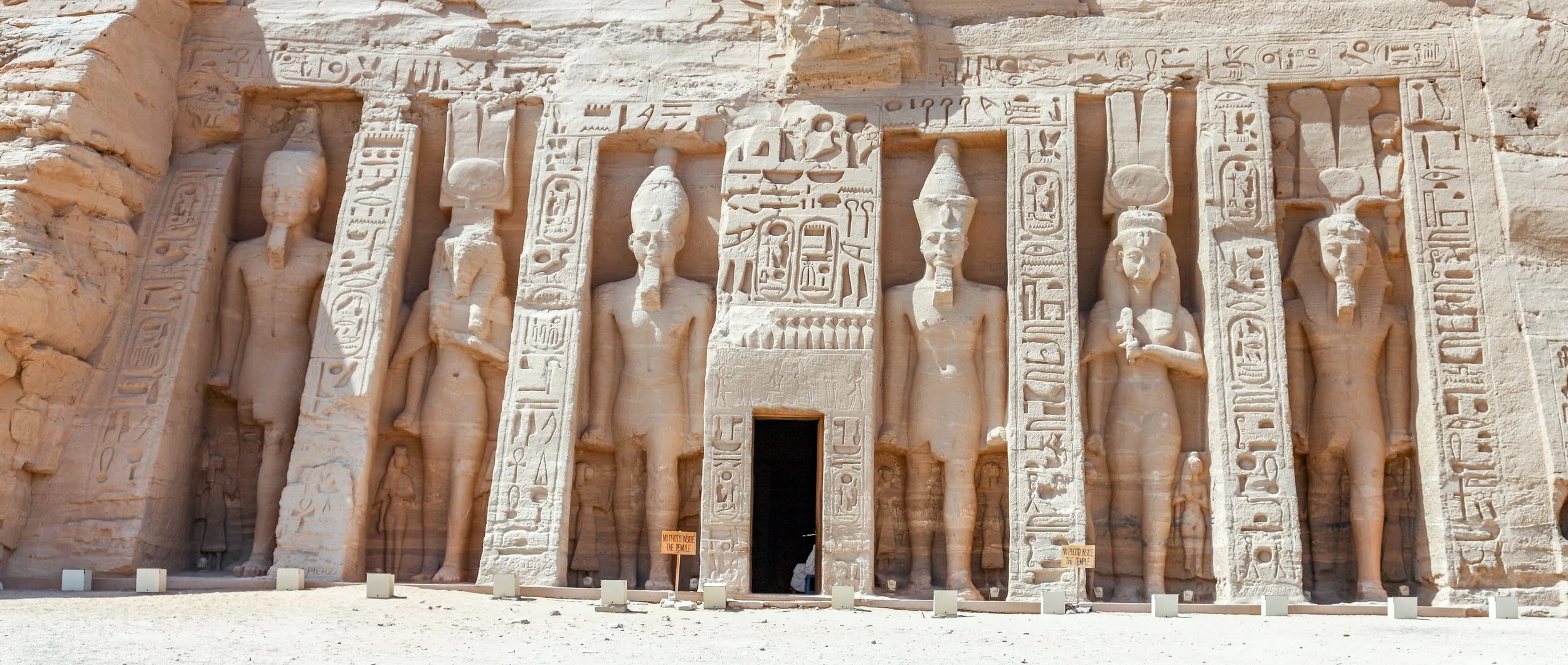
What were the Hermetic texts? They were the philosophical texts dedicated to the Hellenistic figure Hermes Trismegistus, found in pagan circles like Syria and Mesopotamia who never had to endure the rise of Christian Fascist suppression, which escaped Muslim persecution by the artful device of inventing or becoming the religious group known as the Sabians, named in the Koran, hence deserving of respect, as Sabians mean ‘people of the book’. Eventually, the documents ended up in Constinapole. ‘‘The work is basically a dialogue in question and answer form. The two chief interlocutors are the god Thoth and a disciple ‘who wished to know.’ Another God, seemingly Osiris, also speaks with a disciple. This literary frame might suggest a comparison with the Greek Hermetic writings, which are also teaching dialogues between Hermes-Thoth and disciples. This comparison would appear all the more legitimate than in the Demotic text, Thoth is once called wr wr wr, ‘the thrice great one’. ‘‘
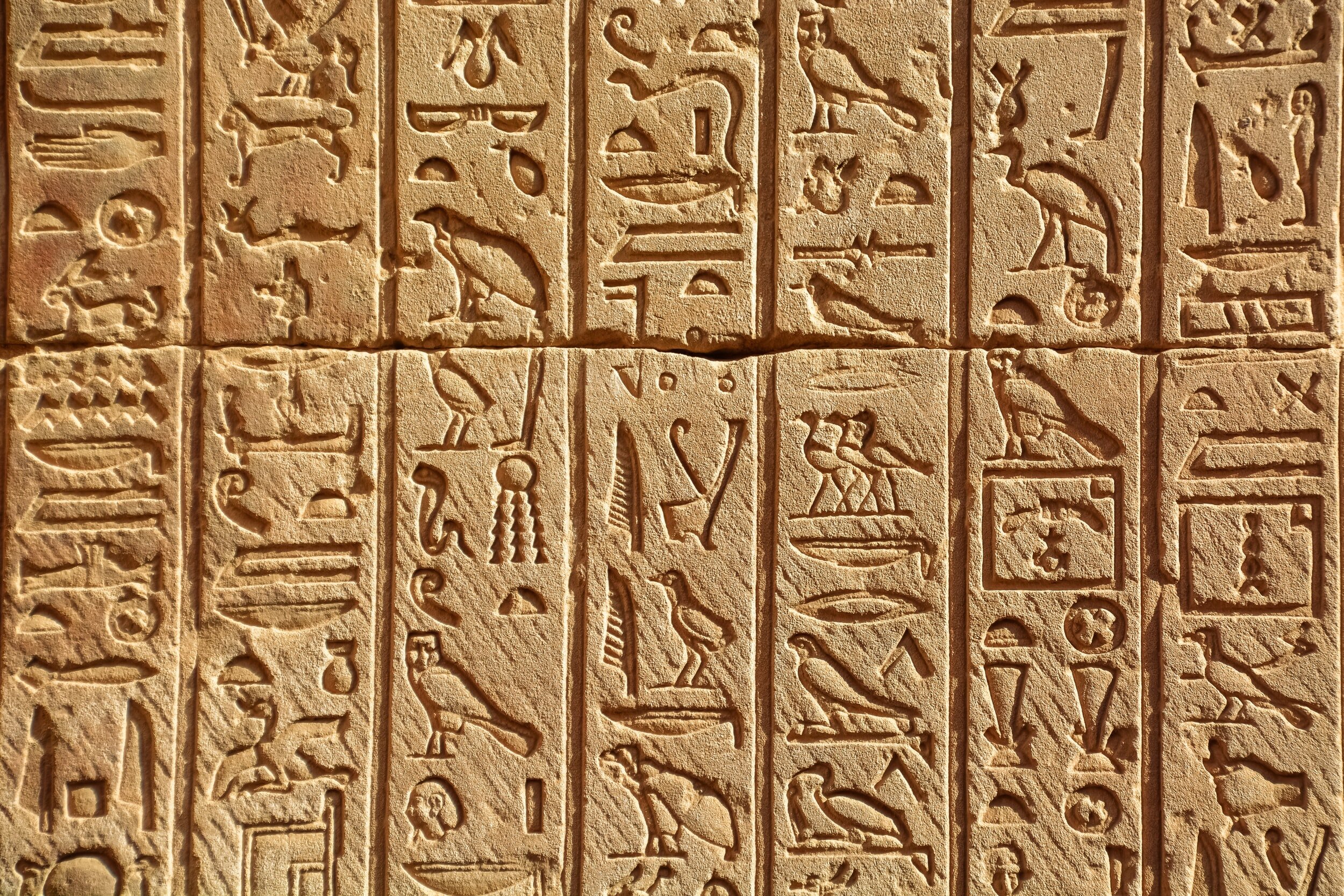
Thoth’s prophecy is a description of the nature behind cosmology, on the nature of God, the cycles of life, and the nature of the world. Every culture has what is commonly expressed as philosophical teachings; sometimes they are shared, like Greece and Egypt. Except this Egyptian content was created more than 2,500 years before Greece’s literature on philosophy. ‘‘The Hermetica as a whole is plainly a product of Greek culture in Egypt. The famous case from Edfu of Thoth, the Egyptian Hermes, introducing himself and establishing his direct descendent from the supreme god Ra. In short, the occurrence of the ‘I am..’ formula in a text from Egypt is immediately suggestive of native religious traditions.’’ But what does the prophecy entail? Why the doom of Egypt of course. An excerpt from Acclepius III spins the tale of the fall of the city, of the people, of the gods, and of their empire.
‘‘Nay, it should rather be said that the whole Kosmos dwells in this our land as in its sanctuary. And yet, since it is fitting that wise men should have knowledge of all events before they come to pass, you must not be left in ignorance of this: there will come a time when it will be seen that in vain have the Egyptians honored the deity with heartfelt piety and assiduous service; and all our holy worship will be found bootless and ineffectual. For the gods will return from earth to heaven; Egypt will be forsaken, and the land which was once the home of religion will be left desolate, bereft of the presence of its deities. This land and region will be filled with foreigners; not only will men neglect the service of the gods, but ...; and Egypt will be occupied by Scythians or Indians or by some such race from the barbarian countries thereabout. In that day will our most holy land, this land of shrines and temples, be filled with funerals and corpses. To thee, most holy Nile, I cry, to thee I foretell that which shall be; swollen with torrents of blood, thou wilt rise to the level of thy banks, and thy sacred waves will be not only stained but utterly fouled with gore. Do you weep at this, Asclepius? There is worse to come; Egypt herself will have yet more to suffer.’’
The Origins of the date of Christmas
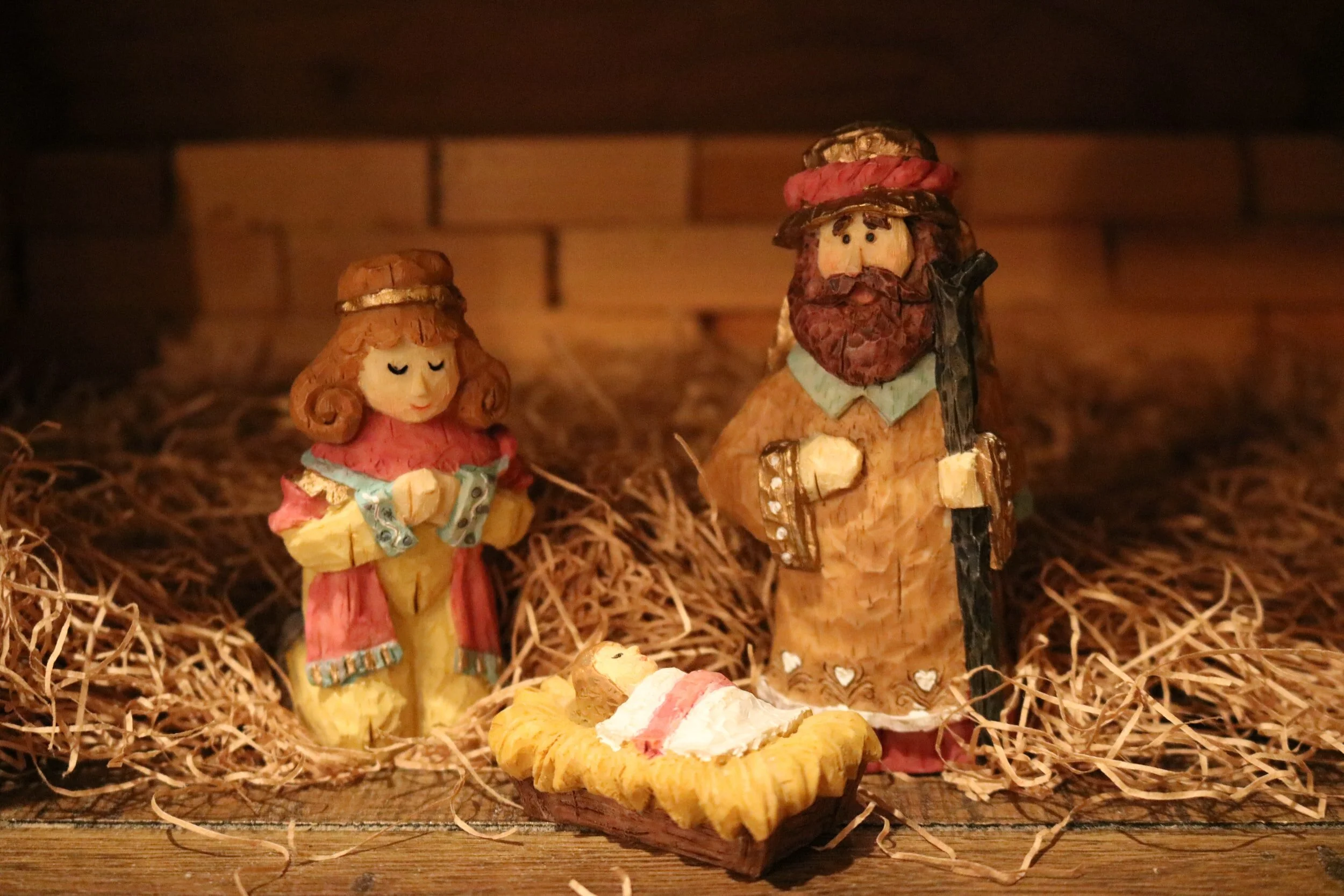
Yesterday was Christmas, so Merry Christmas everyone! This is the holiday to be surrounded by family and friends and to look back on how far you’ve come, especially in this hellish year. Every year we celebrate this festive holiday on the 25th of December, but I’m curious, where did the celebration of Christmas originate? How did it become decided that this was when we would celebrate Christmas?

It’s a valid question! It is a fact that liturgical tradition, no matter how lauded, is no longer seen in a reliable manner any longer. The skepticism comes from the sixteenth-century Reformation, which inspired Protestant and particular Calvinist scholars to attack the ecclesiastical calendar. ‘‘As recent research has shown, it is the context of these early modern inquiries into the history of the liturgical year, which were often permeated by inter-confessional polemic, that the two basic approaches to understanding Christmas’ origins that continue to characterize the twenty-first-century debate on the subject first germinated. For lack of more appropriate labels, these two approaches may be referred to as ‘History of Religions Theory’ (henceforth: HRT) and the ‘Calculation Theory’ (CT). Roughly speaking, proponents of HRT interpret Christmas as a Christianized version or substitute for pagan celebrations that took place on the same date as the Roman Calendar, the most widely cited example being the birthday of Sol Invictus on December 25. By contrast, adherents to CT find evidence that the birth of Christ was determined independently, by resource to certain types of chronological speculation.’’
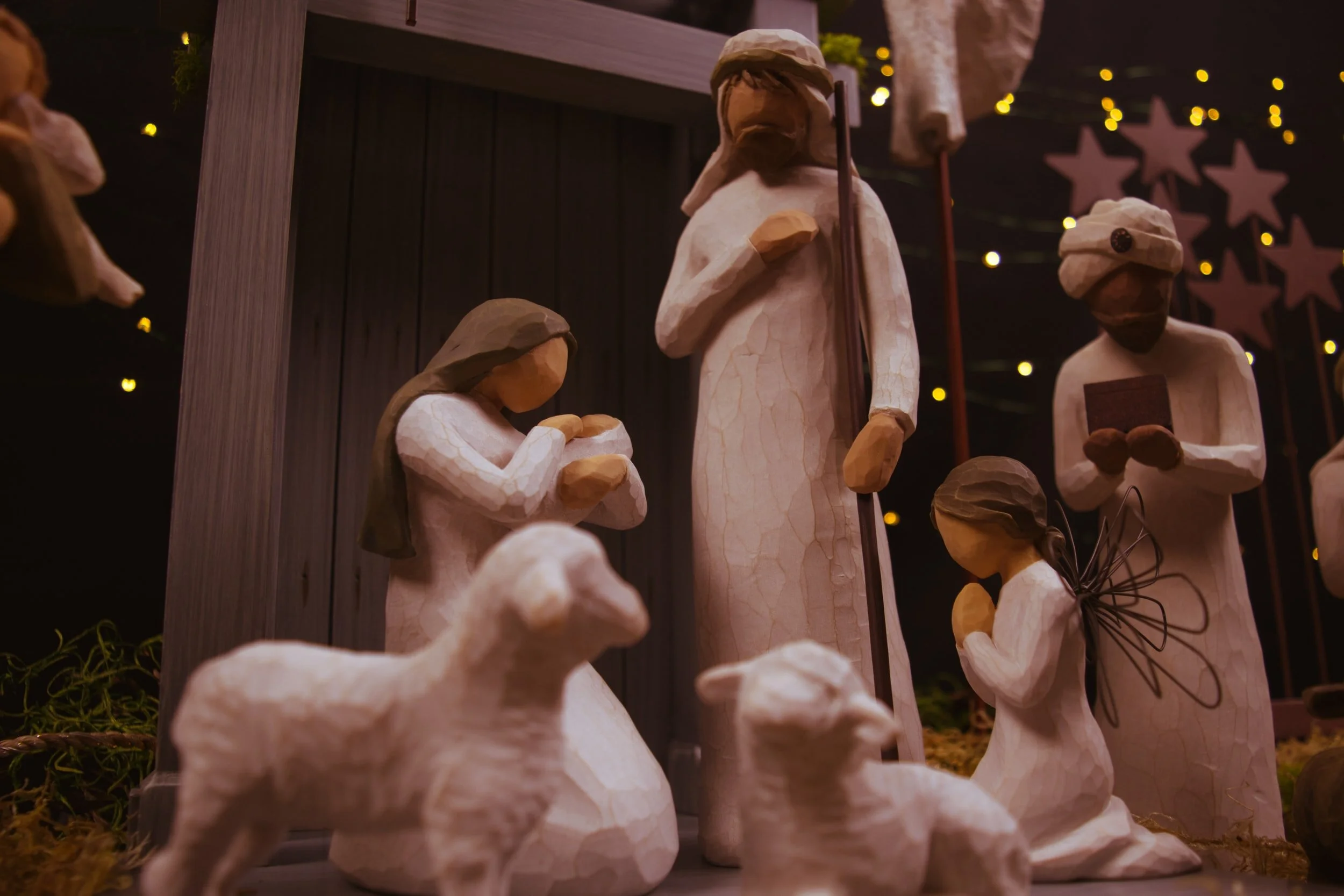
It is well known that a lot of Christianity is used to subvert or covert most of the old world’s celebrations. The holidays, like Halloween, Easter, Spring, and Christmas were all re-used from pagan traditions. German philologist Herman Usener (1834-1905) was one of the pioneers in the modern academic study of religion. ‘‘According to his view, the celebration of Christ’s birth in midwinter was essentially the heritage of a syncretistic sun cult, which already bore traces of an incipient ‘pagan’ monotheism. The central turning point in this story comes from the year 274 CE when the emperor Aurelian allegedly elevated the original sun god Sol Invictus to the supreme deity of the Roman empire and established his cult on December 25. Threatened by the persistent popularity of these rituals among newly baptized Christians, the early Church was moved to incorporate traces of the cult into its own liturgy and thus re-interpreted the annual ‘birth’ of the sun at the winter solstice as the birth festival of Christ.’’

Creation Myths
Creation myths can influence how the history of the world or society is viewed by the type of story the creation myth has originated from, based on how the society is living. The purpose or function of creation myths for society and individuals is to reassure us, humans, that we are not alone, that we were created to have some purpose, that there was a reason we are alive here today. Creation myths exist because every culture has one, and every culture believes in some way that human beings were created for a specific reason or grand purpose.

Amongst some similarities in these creation myths like the Aboriginal, Judeo-Christian, Greek, Egyptian, Yoruba, Norse, Incan, Navajo, etc. in the beginning, the world is dark, but some deity or animal comes and sets the world with light and color. The deity sets to work and makes the world with animals, man, mountains, rivers, etc. He has children who teach, or He teaches man and woman how to survive. There is a great flood, almost always these giant floods happen, and sets the world anew. ‘‘From the reports of early chroniclers, we know that the ancient people of the Phillippines had a notion of the powerful being (or beings), who was responsible for the creation of the earth and everything on it, the trees, the animals, and man. The name of the creator-god, or gods, varied with the various tribes: Laon or Malaon for the ‘Indios’ or Bisayan: Makapatag again for the Bisayan, etc. The Supreme Being is generally taken to be very good or kindly, very powerful, and dwelling in the sky. To him is invariably credited the work of creation.’’

Creation stories are riveting, thought-provoking, and enjoyable to the reader. When people speak of the ‘world’, is usually understood to mean the earth primarily, or rather, their native earth, or land; the trees, the stones, the springs, the rivers, lakes, mountains, skies, flowers, caves, shadows and so on. There is such a strange connection between cultures that share the notion of creation myths, but it surely inspires people and gives hope.

The Great Goddesses
NO. 1
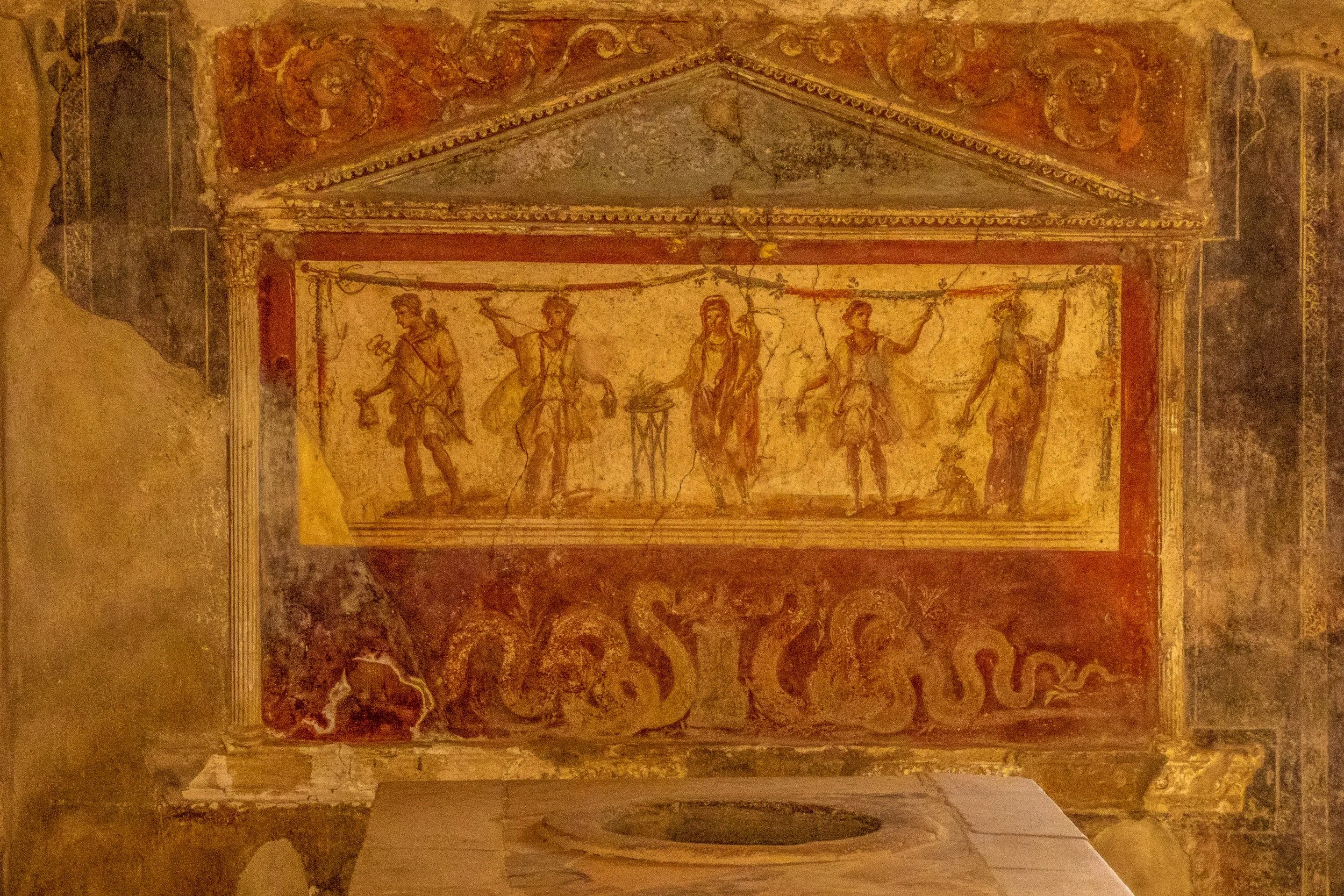
Polytheism is the belief in multiple gods, the entertainment of monsters, heroes, and spirits, and the worship of nature. There are all sorts of gods responsible for all sorts of natural, magical, and human qualities and aspects, like fertility goddesses. Fertility goddesses are the complete representation of the fertility of women in general and of the land they live upon.
NO.2
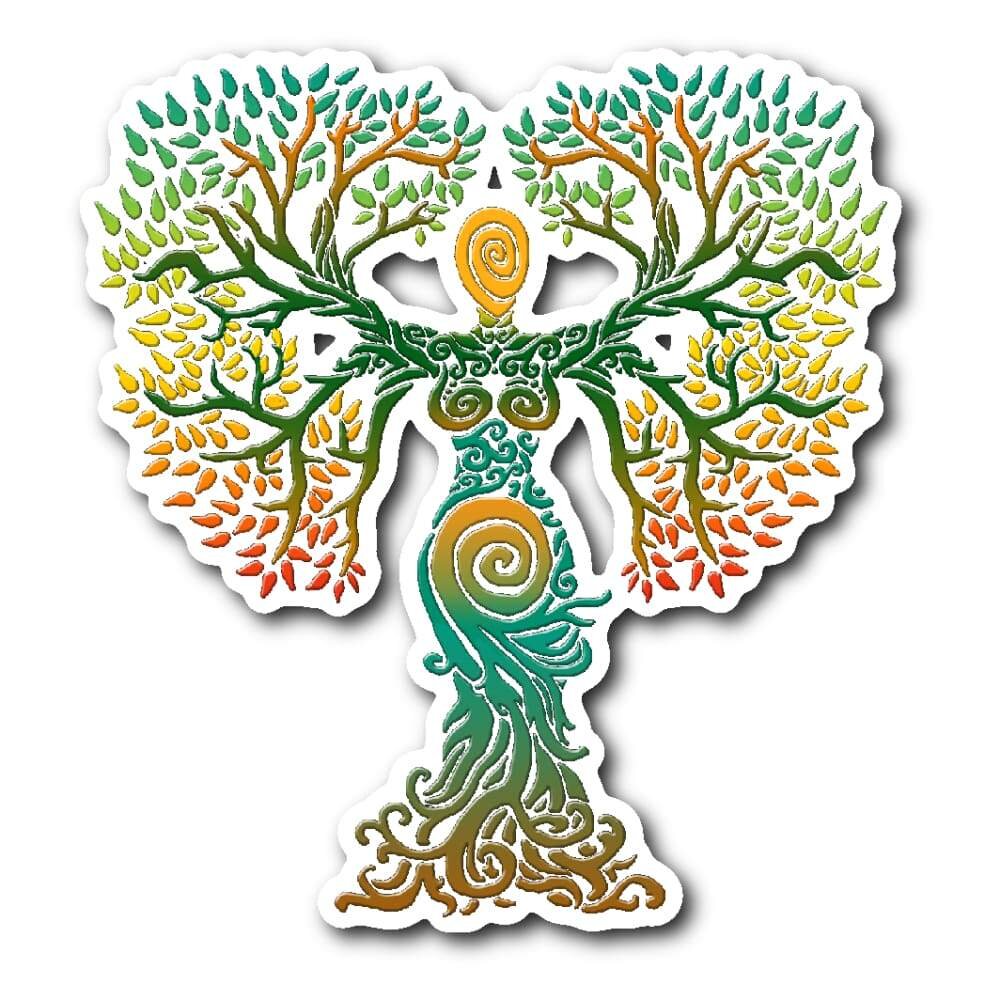
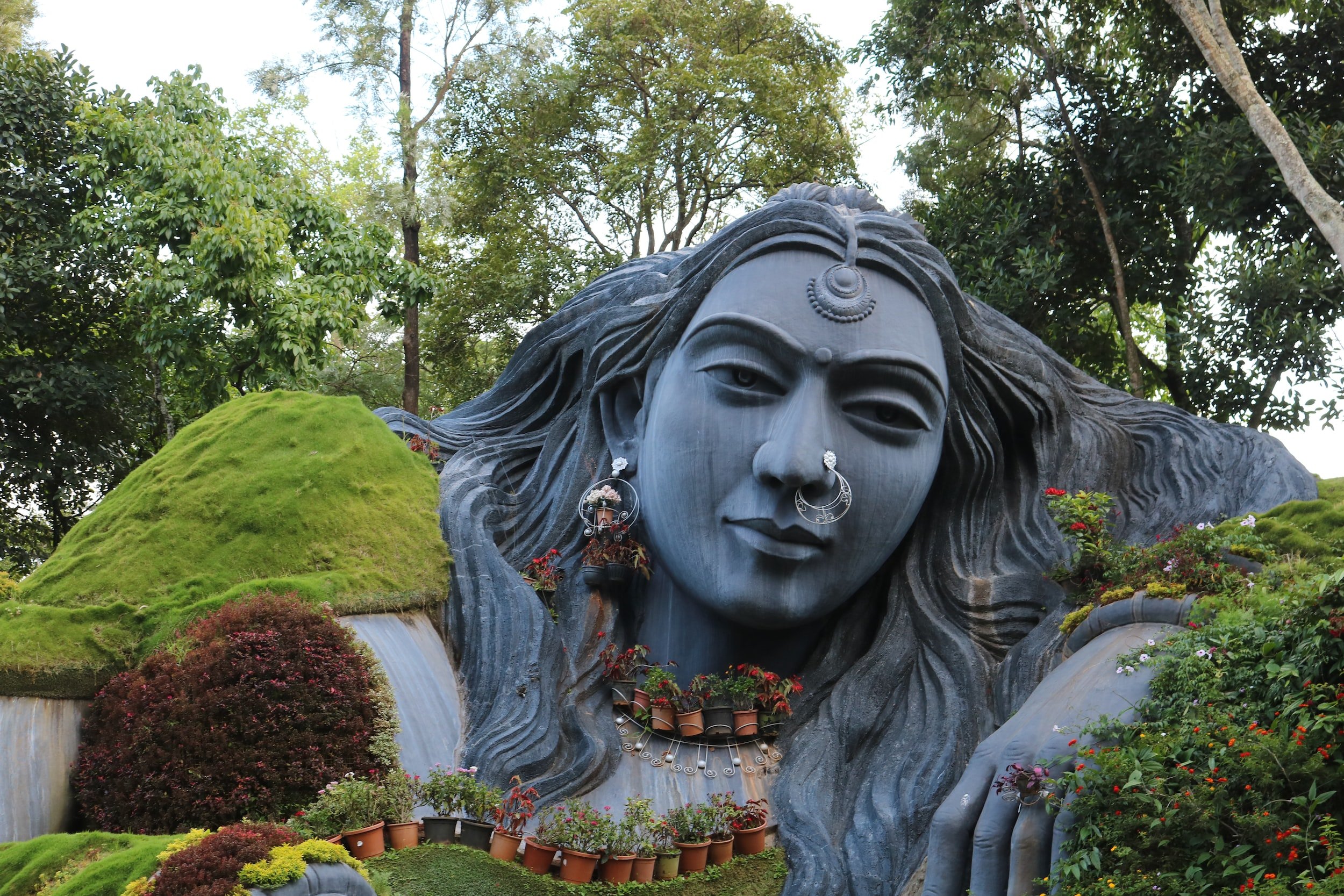
The original fertility goddess humans worshiped was the ‘‘Great Mother’’ or ‘Mother Earth’. These female archetypes are usually mothers of other deities. They manifest many different aspects of the female and the natural world. ‘‘The Goddess is the power of intelligent embodied love that is the ground of all beings. The earth is the body of the Goddess. All beings are interdependent in the web of life. Nature is intelligent, alive, and aware. As part of nature, human beings are relational, embodied, and interdependent. The basics of ethics are the feeling of deep connection to all people and all beings in the web of life. The symbols and rituals of the Goddess religion bring these values to consciousness and help us build communities in which we can create a more just, peaceful, and harmonious world.’’
NO. 3
Every culture before Christianity, worshipped polytheism and essentially the Great Goddess which is connected to all nature and therefore, all life. Worshipped as the giver of life, fertility, and prosperity, she is still celebrated today in many cultures around the world.
The tricksters
Those characters are always up to mischief. It’s not necessarily a bad thing, of course. Sometimes you need to start trouble in order to inspire change. Those who carry the title of ‘the trickster’ are usually seen in a bad light because of their actions, which if you read some of the myths about these archetypes, can sometimes be nefarious at best, but they usually teach social, ethical, and political values through puzzles, games, or twists of fate. A trickster can be an animal, spirit, or sometimes a god.
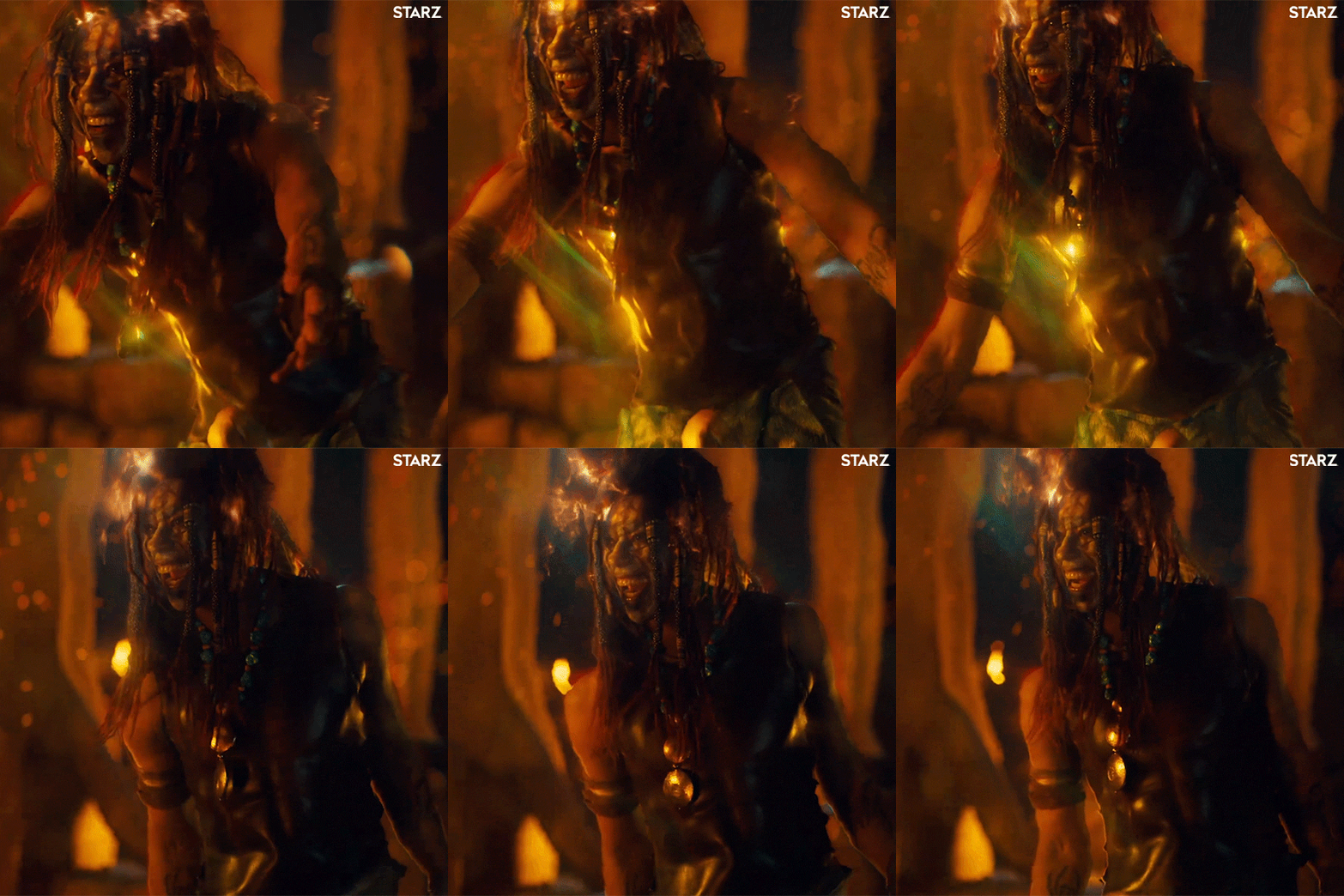

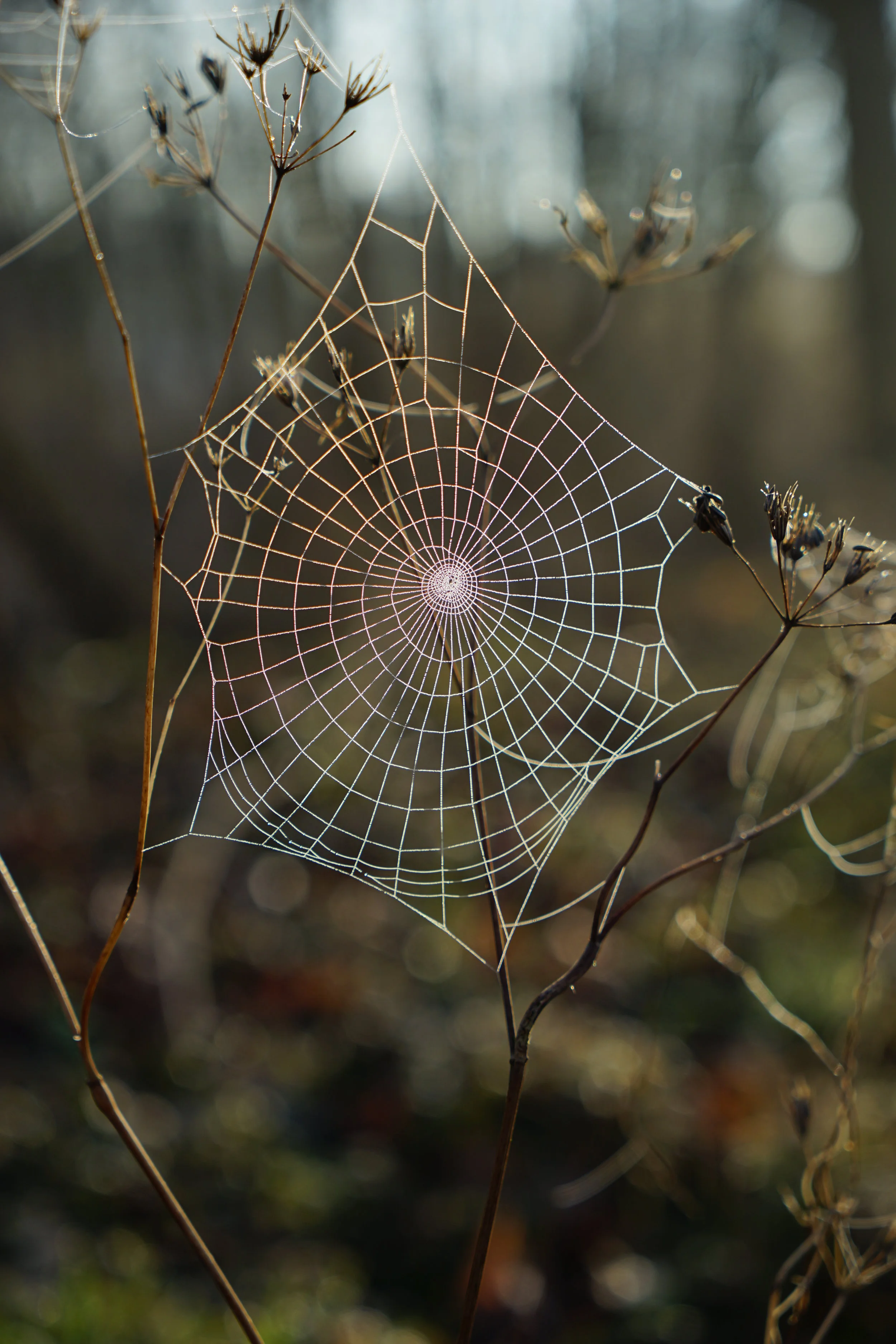
This particular trickster, which is very popular with the show American Gods on Starz, is the god Anansi, generally referred to as the god of stories of West African mythology. My favorite myth is how he got that title. The story goes as follows, Anansi the spider threw a web up into the sky, to confront the sky god Nyame, asking him to share all the stories of the world. So Nyame gives Anansi a challenge: If Anansi could bring to Nyame’s court Python the snake, Cheetah the fanged, the nests full of Hornets, and the fairy Mmoatia, then Anansi can have the box of stories. So Anansi agrees to this deal, thinking up new and clever ways to get the creatures to the sky court over the next four days. With the help of his wife Aso, and his son Ntikuma, Anansi goes into the forest to look for Python, and, waving a big stick in the air proclaimed that the stick was much longer than the Python. The Python slithered from the branch over their head, slithered down and stretched it’s long body alongside it, so that Anansi could easily wrap his strongest web around the thrashing web, then turned the big snake over to the sky god. Next, was the capture of the Cheetah. Appeasing to it’s ego, Anansi got a basket and claimed that the Cheetah was too small for it, but the Cheetah, undeterred, tried it on for size. Anansi quickly tied the bag around him, and dropped it off at the sky court, going after the hornets next. To catch the hornets, Anansi and his son go back into the forest, and carrying two big jugs of water, a empty gourd, and rope, they find the hornets nest, where very quietly they lift up both buckets and dump the water into the nest. The hornets, aggravated, came swarming out which brings Anansi to hold open the gourd, which he then sealed over and sent again to the sky court.
The final task that plagued Anansi was how to trick Mmotia, who was magic, into the sky court. His wife Aso had them both carve a wooden doll, and cover it in thick layer of sap from the nearby gum tree. Then they put the doll in a nice clearing and waited a long time. Then, they heard Mmotia scream at the doll because she thinks the doll is another fairy. Because it’s a doll, and is unresponsive, Mmoatia smacks it, claiming the doll’s rudeness. The doll’s sap causes Mmoatia’s hand to get stuck, and soon enough Anansi can bring a stuck Mmoatia to the sky court, winning the box of stories from a displeased Nyame, who didn’t believe he would win, and took it back to Earth. There goes the story of Anansi and the Box of Stories.