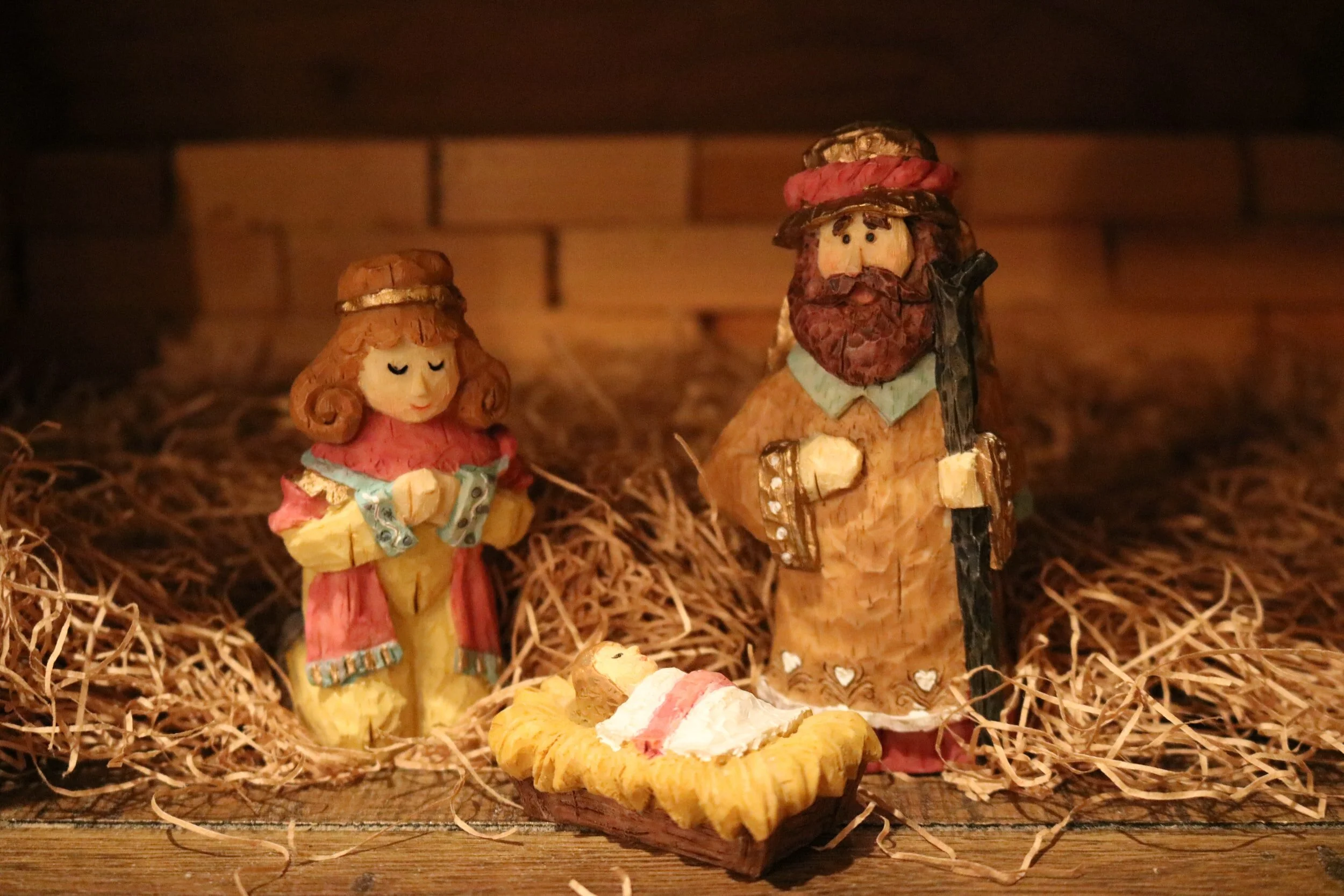
The Origins of the date of Christmas
Yesterday was Christmas, so Merry Christmas everyone! This is the holiday to be surrounded by family and friends and to look back on how far you’ve come, especially in this hellish year. Every year we celebrate this festive holiday on the 25th of December, but I’m curious, where did the celebration of Christmas originate? How did it become decided that this was when we would celebrate Christmas?

It’s a valid question! It is a fact that liturgical tradition, no matter how lauded, is no longer seen in a reliable manner any longer. The skepticism comes from the sixteenth-century Reformation, which inspired Protestant and particular Calvinist scholars to attack the ecclesiastical calendar. ‘‘As recent research has shown, it is the context of these early modern inquiries into the history of the liturgical year, which were often permeated by inter-confessional polemic, that the two basic approaches to understanding Christmas’ origins that continue to characterize the twenty-first-century debate on the subject first germinated. For lack of more appropriate labels, these two approaches may be referred to as ‘History of Religions Theory’ (henceforth: HRT) and the ‘Calculation Theory’ (CT). Roughly speaking, proponents of HRT interpret Christmas as a Christianized version or substitute for pagan celebrations that took place on the same date as the Roman Calendar, the most widely cited example being the birthday of Sol Invictus on December 25. By contrast, adherents to CT find evidence that the birth of Christ was determined independently, by resource to certain types of chronological speculation.’’
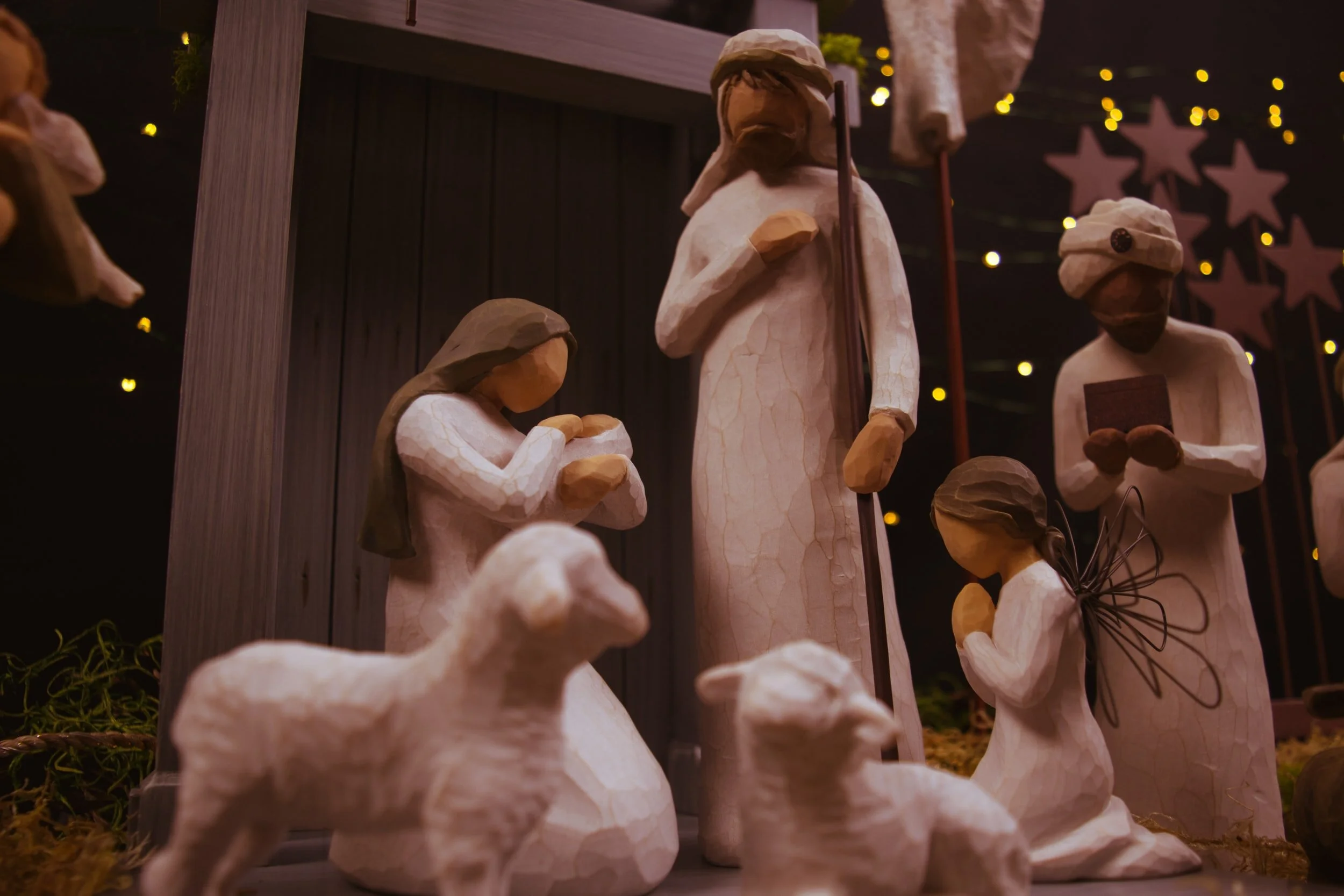
It is well known that a lot of Christianity is used to subvert or covert most of the old world’s celebrations. The holidays, like Halloween, Easter, Spring, and Christmas were all re-used from pagan traditions. German philologist Herman Usener (1834-1905) was one of the pioneers in the modern academic study of religion. ‘‘According to his view, the celebration of Christ’s birth in midwinter was essentially the heritage of a syncretistic sun cult, which already bore traces of an incipient ‘pagan’ monotheism. The central turning point in this story comes from the year 274 CE when the emperor Aurelian allegedly elevated the original sun god Sol Invictus to the supreme deity of the Roman empire and established his cult on December 25. Threatened by the persistent popularity of these rituals among newly baptized Christians, the early Church was moved to incorporate traces of the cult into its own liturgy and thus re-interpreted the annual ‘birth’ of the sun at the winter solstice as the birth festival of Christ.’’


The Great Goddesses
NO. 1
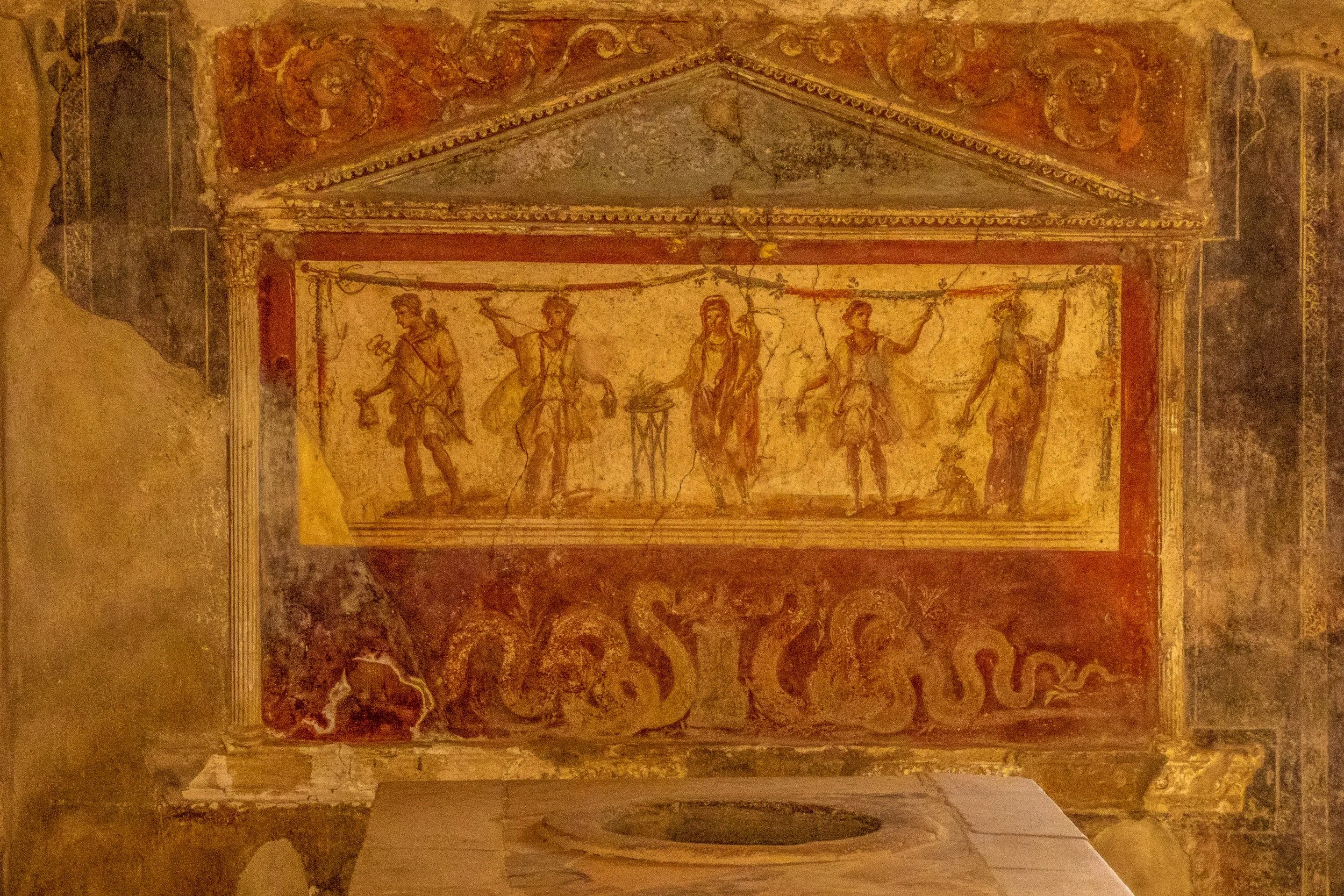
Polytheism is the belief in multiple gods, the entertainment of monsters, heroes, and spirits, and the worship of nature. There are all sorts of gods responsible for all sorts of natural, magical, and human qualities and aspects, like fertility goddesses. Fertility goddesses are the complete representation of the fertility of women in general and of the land they live upon.
NO.2
The original fertility goddess humans worshiped was the ‘‘Great Mother’’ or ‘Mother Earth’. These female archetypes are usually mothers of other deities. They manifest many different aspects of the female and the natural world. ‘‘The Goddess is the power of intelligent embodied love that is the ground of all beings. The earth is the body of the Goddess. All beings are interdependent in the web of life. Nature is intelligent, alive, and aware. As part of nature, human beings are relational, embodied, and interdependent. The basics of ethics are the feeling of deep connection to all people and all beings in the web of life. The symbols and rituals of the Goddess religion bring these values to consciousness and help us build communities in which we can create a more just, peaceful, and harmonious world.’’

NO. 3
Every culture before Christianity, worshipped polytheism and essentially the Great Goddess which is connected to all nature and therefore, all life. Worshipped as the giver of life, fertility, and prosperity, she is still celebrated today in many cultures around the world.

The tricksters
Those characters are always up to mischief. It’s not necessarily a bad thing, of course. Sometimes you need to start trouble in order to inspire change. Those who carry the title of ‘the trickster’ are usually seen in a bad light because of their actions, which if you read some of the myths about these archetypes, can sometimes be nefarious at best, but they usually teach social, ethical, and political values through puzzles, games, or twists of fate. A trickster can be an animal, spirit, or sometimes a god.


This particular trickster, which is very popular with the show American Gods on Starz, is the god Anansi, generally referred to as the god of stories of West African mythology. My favorite myth is how he got that title. The story goes as follows, Anansi the spider threw a web up into the sky, to confront the sky god Nyame, asking him to share all the stories of the world. So Nyame gives Anansi a challenge: If Anansi could bring to Nyame’s court Python the snake, Cheetah the fanged, the nests full of Hornets, and the fairy Mmoatia, then Anansi can have the box of stories. So Anansi agrees to this deal, thinking up new and clever ways to get the creatures to the sky court over the next four days. With the help of his wife Aso, and his son Ntikuma, Anansi goes into the forest to look for Python, and, waving a big stick in the air proclaimed that the stick was much longer than the Python. The Python slithered from the branch over their head, slithered down and stretched it’s long body alongside it, so that Anansi could easily wrap his strongest web around the thrashing web, then turned the big snake over to the sky god. Next, was the capture of the Cheetah. Appeasing to it’s ego, Anansi got a basket and claimed that the Cheetah was too small for it, but the Cheetah, undeterred, tried it on for size. Anansi quickly tied the bag around him, and dropped it off at the sky court, going after the hornets next. To catch the hornets, Anansi and his son go back into the forest, and carrying two big jugs of water, a empty gourd, and rope, they find the hornets nest, where very quietly they lift up both buckets and dump the water into the nest. The hornets, aggravated, came swarming out which brings Anansi to hold open the gourd, which he then sealed over and sent again to the sky court.
The final task that plagued Anansi was how to trick Mmotia, who was magic, into the sky court. His wife Aso had them both carve a wooden doll, and cover it in thick layer of sap from the nearby gum tree. Then they put the doll in a nice clearing and waited a long time. Then, they heard Mmotia scream at the doll because she thinks the doll is another fairy. Because it’s a doll, and is unresponsive, Mmoatia smacks it, claiming the doll’s rudeness. The doll’s sap causes Mmoatia’s hand to get stuck, and soon enough Anansi can bring a stuck Mmoatia to the sky court, winning the box of stories from a displeased Nyame, who didn’t believe he would win, and took it back to Earth. There goes the story of Anansi and the Box of Stories.