Ra, the Sun Deity
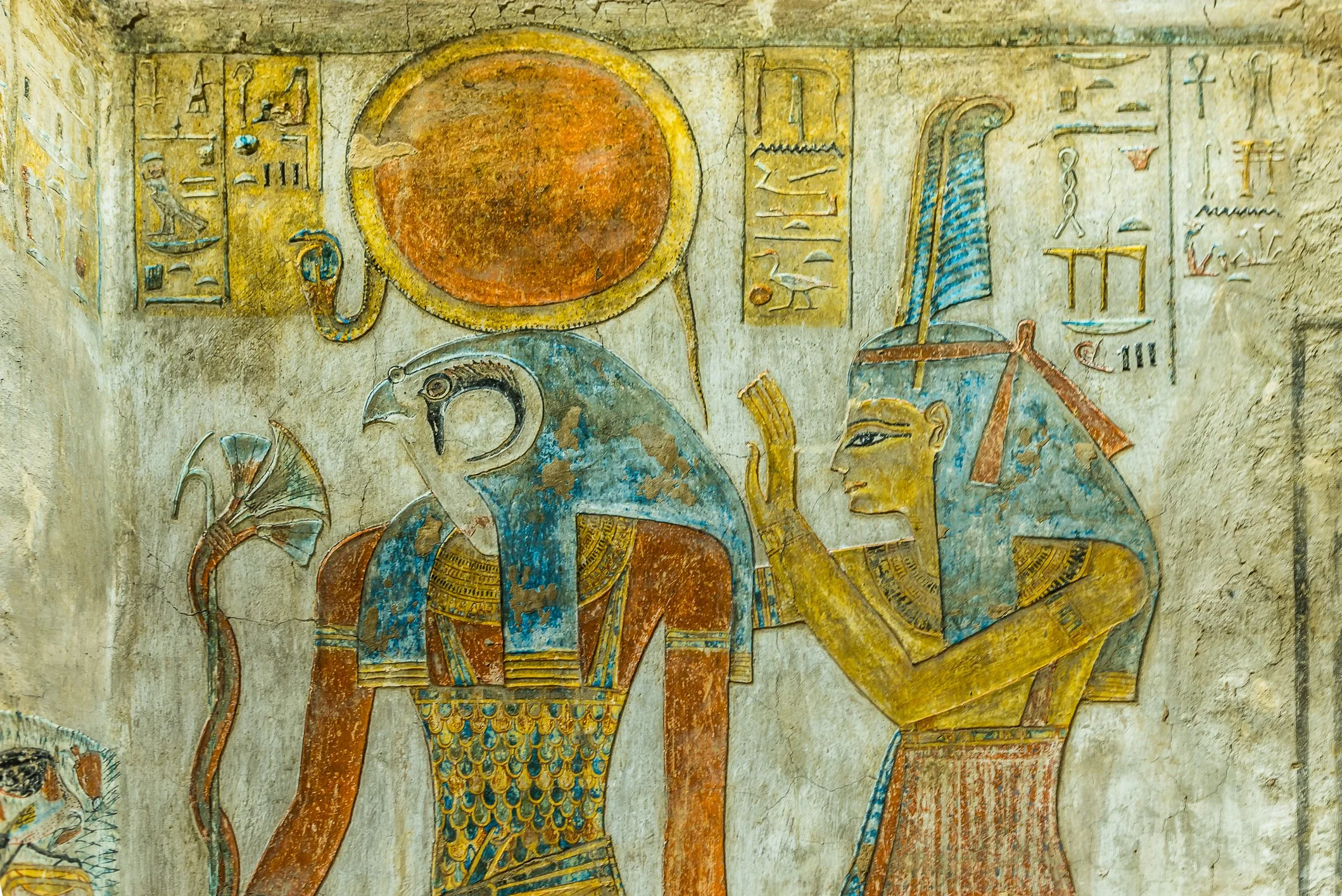
There are many versions of Ra. ‘Ra’ is the Egyptian word for the sun, and since we are talking of the Egyptian pantheon of gods, he was the oldest of them all and later merged with others such as Horus, becoming Ra-Horakhty (the morning sun), Amun (as noonday sun), and Atum (the evening sun) associated with primal life-giving energy. As a solar deity, he was the sun riding in his ship during the day and descending into the underworld come night.
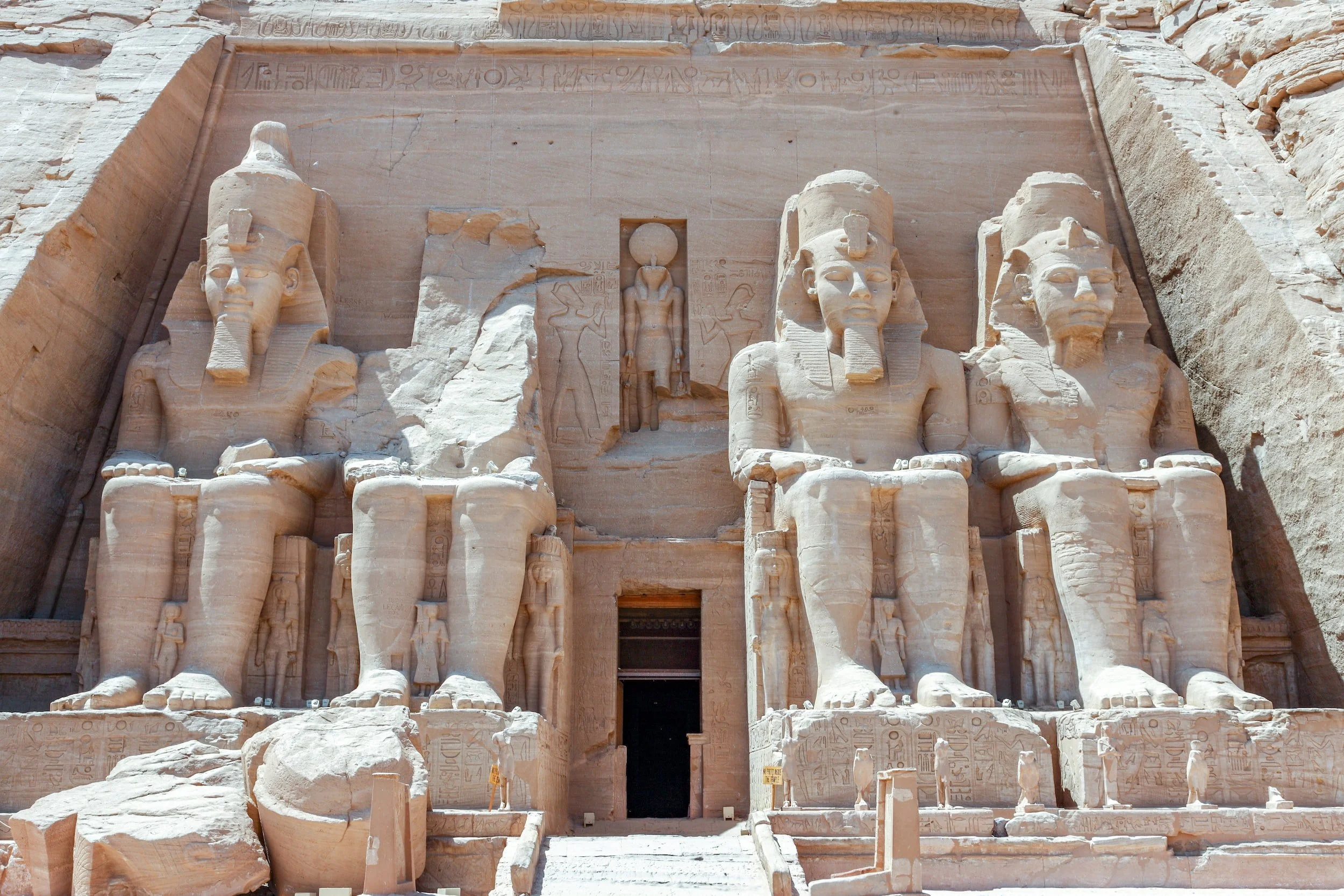
In Egyptian mythology, it is said he battles the giant serpent Apophis every time he goes to the underworld to start the end of the world and prevent the sun from ever-rising and destroying life on Earth forever. Ra was the most important god of Egypt and the most popular one, as he emphasized 'life-giving/bearing.' Worship of Ra was established in the Old Kingdom with the development of funerary rituals dedicated to the god. His image appeared on all royal monuments since the First Dynasty. Later emperors adopted the name “Ramses” as a religious title after the king's grandfather, who was also known as Ramesses I.
The most famous representations of Ra are is found on the Narmer Palette, a ‘‘hieroglyph of King Menes, which established Egypt’s first state religion around 3100 BC. The earliest known depiction of the god appears on one of the oldest surviving mummy masks, dating to the Middle Kingdom. This mask portrays the King wearing the headdress and chest ornaments that were worn by high priests of the temple of Ra during the Middle Kingdom period. Over time, the ram’s head symbol of Ra became widespread in Egypt, including appearing on the King’s banners and on temples as well as royal palaces.’’
Ra is a solar deity that is associated with light and rebirth. Throughout the history of mankind, the Sun has been considered the source of life for humanity, and therefore it has been used as a symbol by many religions to signify divinity. The Sun is associated with Ra because it is at his temple that the rays of sunlight would be most intense, shining on the statue of the god as if inviting him to shine on mankind. The ancient Egyptians believed that their civilization was founded by the gods of the sun. They associated the rising Sun with life and creation and used it to represent the passage of time – between each day and each month, the Egyptians measured the passing of time by counting the hours and minutes until the rising of the Sun again.
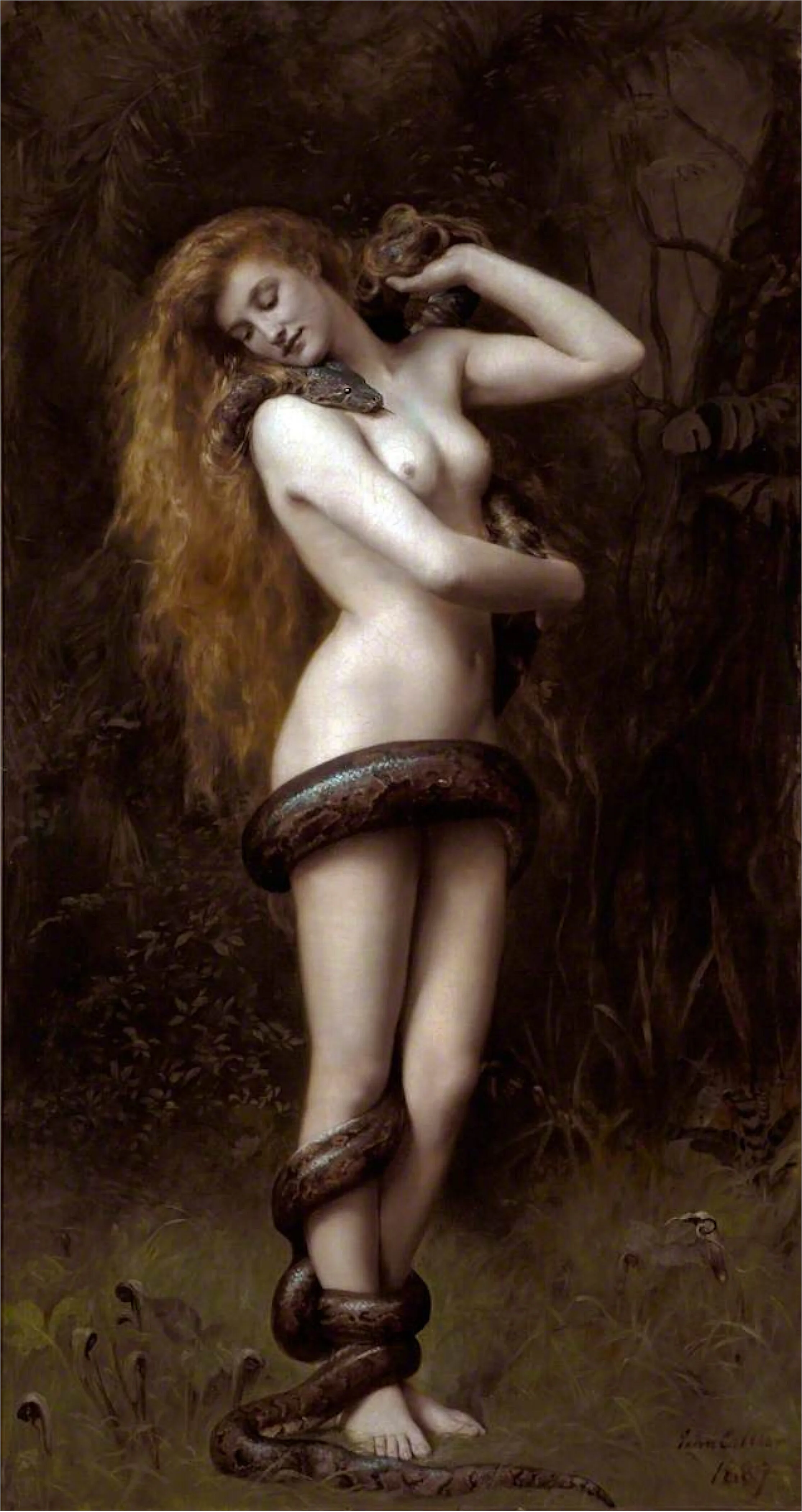
The tale of Lilith
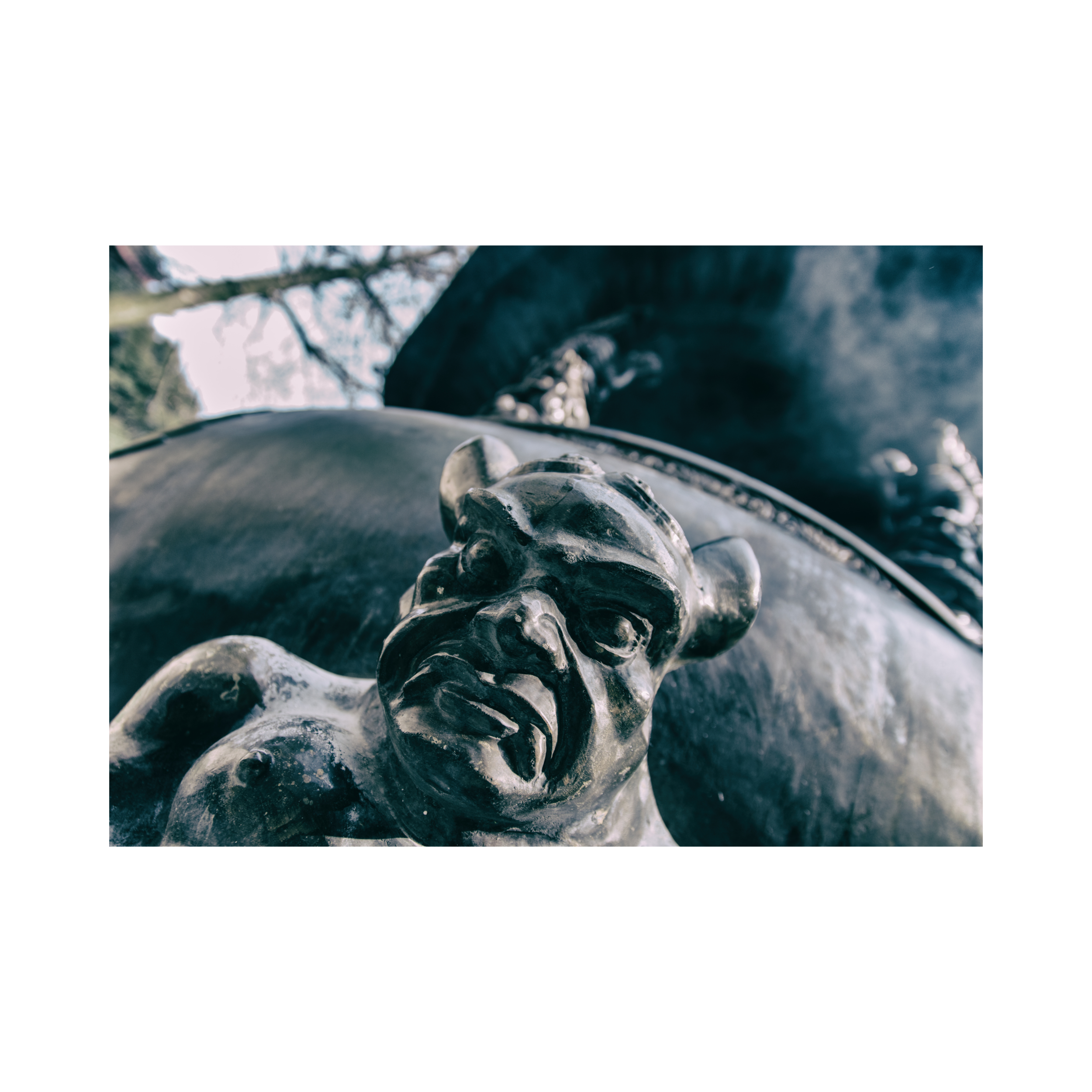
There are a lot of accounts about the ‘demon-ness Lilith’, and her origin story leads a lot to be desired. Apparently, she was the first wife of Adam in Sumerian folklore, and because she did not want to be under Adam’s control any longer, and became, depending on which account you read, a vampire, a demon-ess, or a harlot, or all three, for not wanting to be apart of ‘God’s plan.’ The Sumerian accounts, taken from the 3rd millennium, were the first accounts of what happened to her before the biblical Hebrews surmised of her.
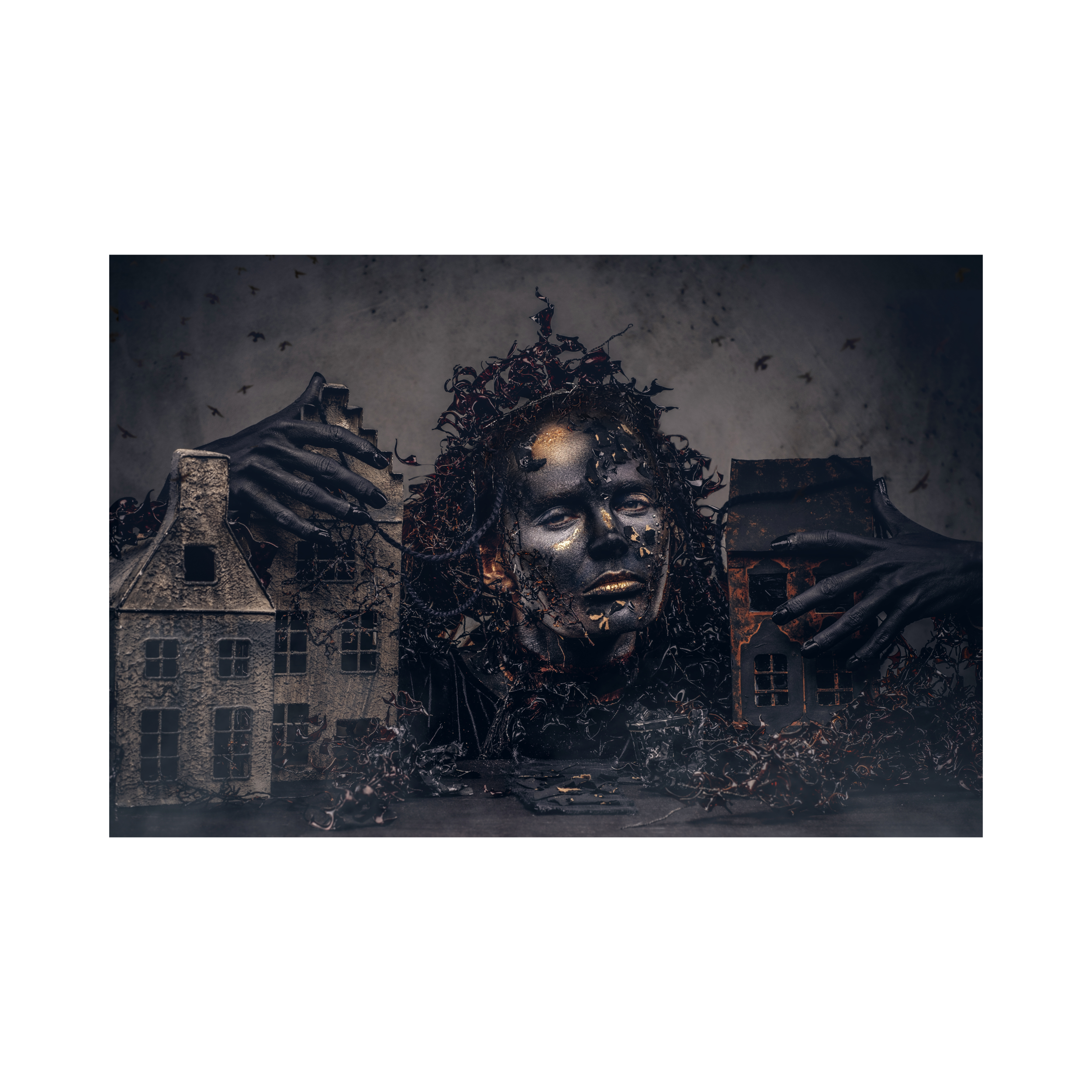
She is described as a ‘beautiful maiden’ but was believed to be a harlot, who once took a lover, offered no satisfaction to him, nor would she ever let him go. According to the Sumerian epic, dating from around 2000 B.C, ‘Gilgamesh and the Huluppu Tree’ and was ‘‘believed to appear to have human eyes. She is slender, well-shaped, beautiful, and nude, with wings, and owl feet. She stands erect on two reclining lions which are turned away from each other and are flanked by owls. On her head, she wears a cap embellished by several pairs of horns. In her hand, she holds a ring-and-rod combination. Evidently, this is no longer a lowly she-demon, but a goddess who tames wild beasts, and as shown by the owls on the reliefs, rules by night.’’
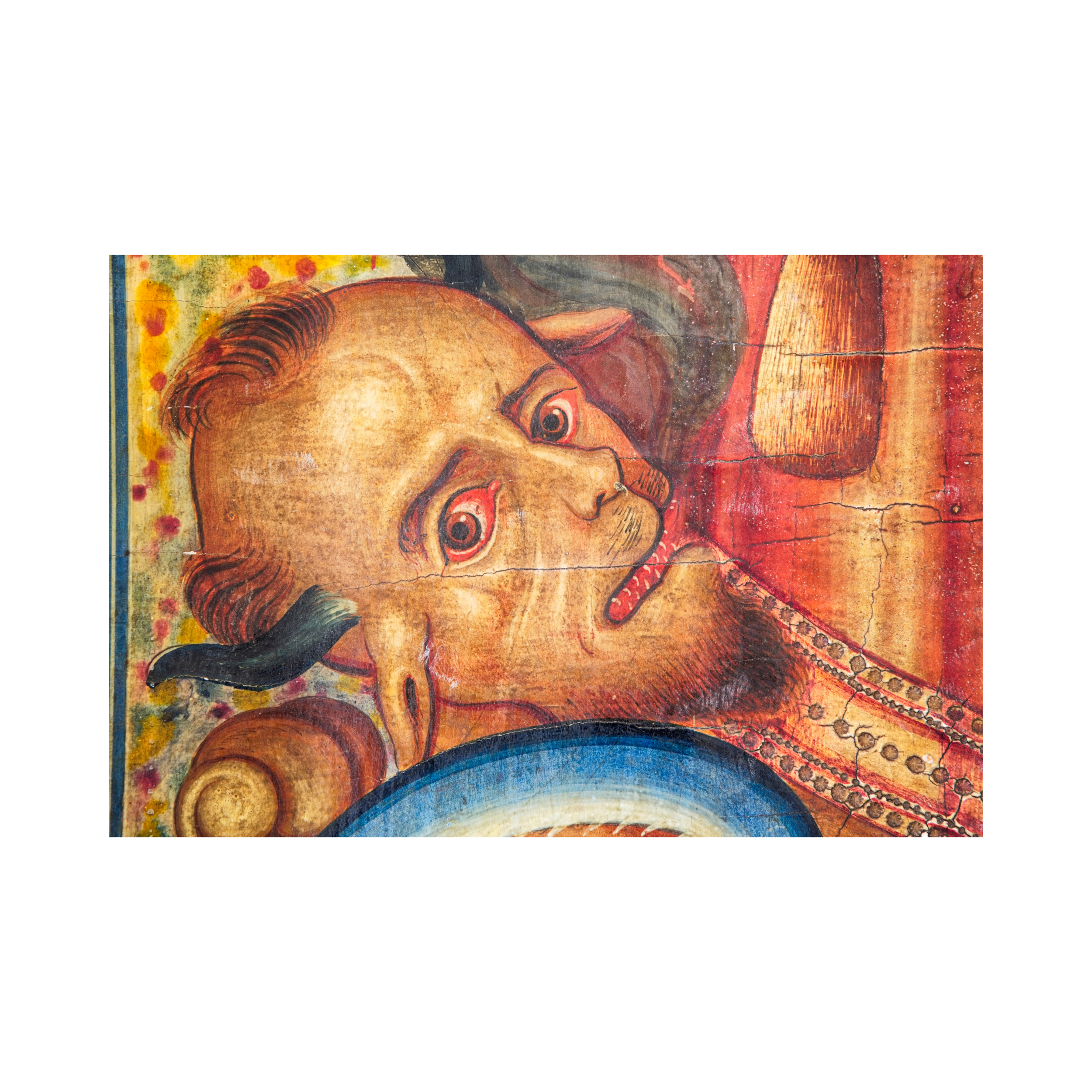
Apparently, the earliest mention of the ‘she-demon, whose name is similar to that of Lilith is found in the Sumerian king list which dates from around 2400 B.C. ‘‘It states, that the father of the great Gilgamesh was a Lilu-demon. The Lilu was one of four demons belonging to an incubi-succubae class. The other three were Lilitu (Lilith), a she-demon; Ardat Lili, or her handmaiden, who visited men in the night and bore them ghostly children. There is also the tale of the Irdu Lili, who was her male counterpart and would visit women and beget children by them. Originally these were storm demons, but because of a mistaken etymology, they came to be regarded as night demons. On one brief reference to Lilith in the Bible, Isaiah 34:14, in describing Yahweh’s (God) day of vengeance, says: The wild cat shall meet with the jackals, And the satyr shall cry to to his fellow, Yea, Lilith shall repose there, And find her a place of rest.’’