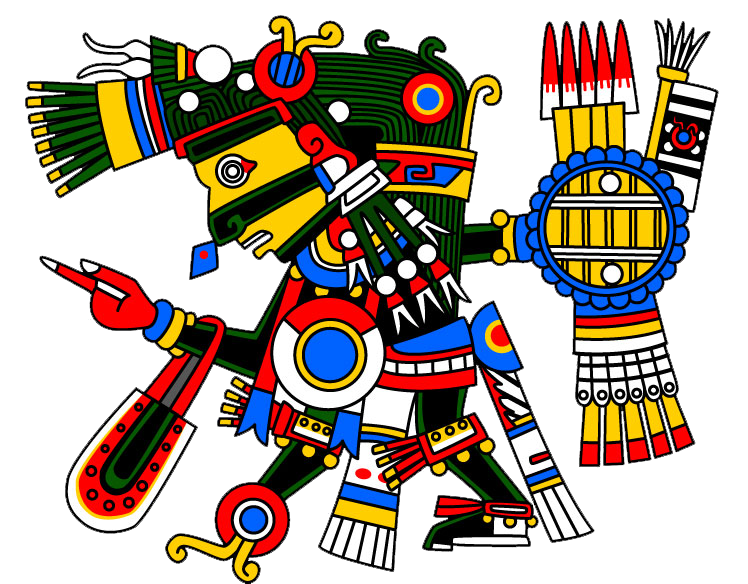
Tezcatlipoca, or 'One Leg'
NO. 1
Tezcatlipoca is the god of the night sky, hurricanes, obsidian, conflict, and providence. When depicted, he usually wore a talisman with a disk worn as a chest pectoral. While depicted with black and yellow stripes painted across his face, he is usually shown with his left foot replaced with an obsidian mirror, bone, or snake, as it was lost to the sea monster Cipactli in the mythos. In the Aztec religion, he was the central deity. In Aztec or Mesoamerican folklore, he and other gods could shapeshift, and he was no different as his counterpart was the illusive but powerful jaguar, which is why he is known as the jaguar god.

NO. 2
This figure is extremely popular, worshipped by the Mayan and Olmec communities. His name in the Mesoamerican language means ‘Smoking Mirror.’ This deity has numerous epithet’s which allude to different characteristics, like Ipalnemoani ("He by Whom We Live"), and Necoc Yaotl ("Enemy of Both Sides"), and Tioque Nahuaque (‘Lord of the Near and the Night’), etc. His power to omnipresence was more a connection that extended far beyond obsidian, since ritual bloodletting and human sacrifice was conducted with obsidian. Apart from being a creator god, he was also a trickster and ruled over the modern Aztec pantheon.
NO. 3
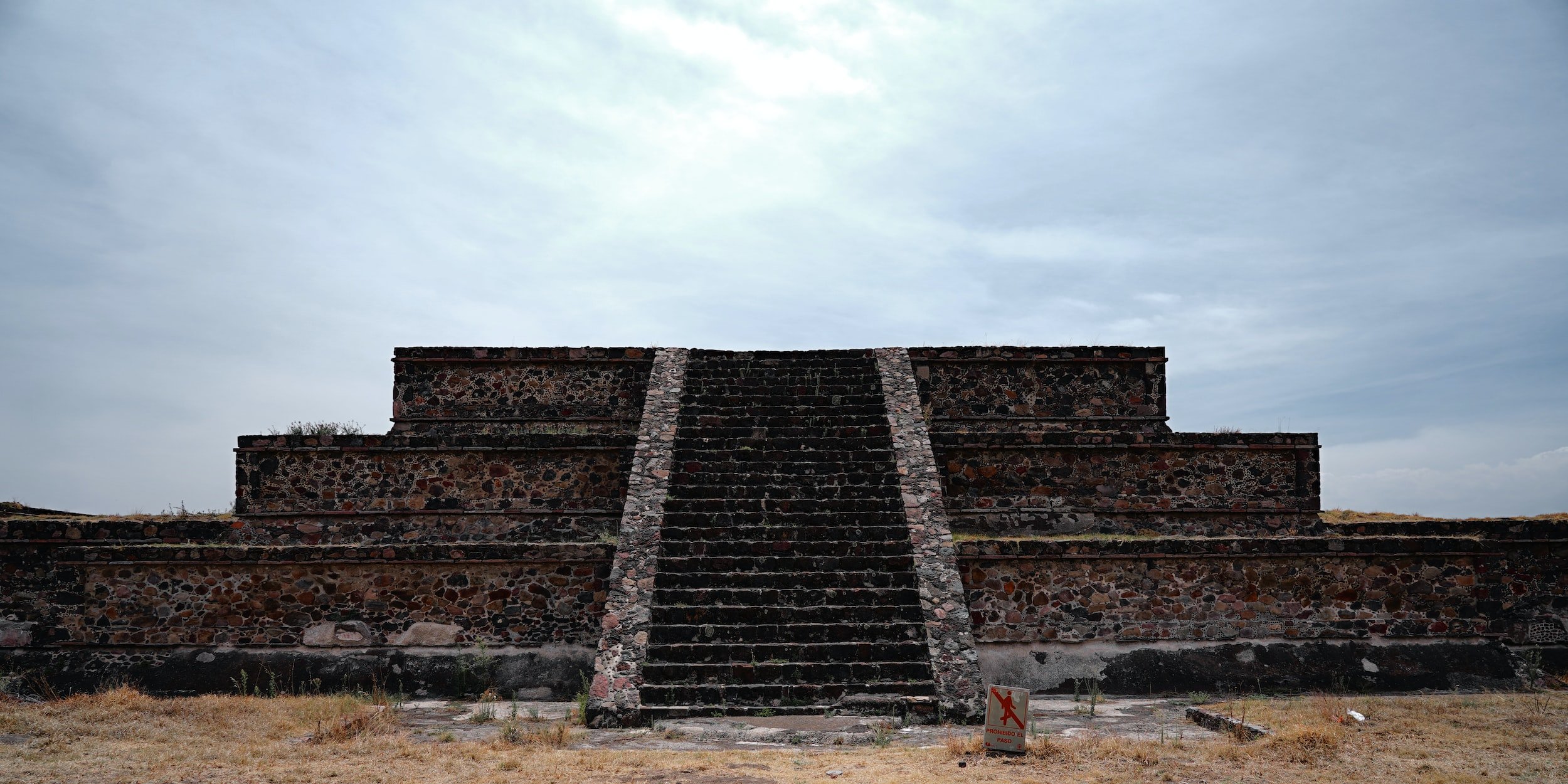
Tezcatlipoca, according to Aztec mythology, was born to the primordial creator deities Ometecuhtli and Omecihuatl, and had four siblings; one of whom, Quetzalcoatl, the god of the wind, patron of priests, and inventor of calendars and books; he was known as the Serpent Feathered god. The brothers feuded as much as they worked together, working towards the same goal but sometimes in opposition towards each other. After being born, this deity spent over 600 years for his youngest brother Huitzilopochtli to grow flesh before Tezcatlipoca and Quetzalcoatl, together, made the world. Before the world was made, the only thing that was technically alive were a few gods, a massive ocean and the sea monster, Cipactli, which Tezcatlipoca successfully lured away and killed by using his foot as bait. Both brothers were able to create the world on the sea monster’s body.
Warrior Women!
NO. 1
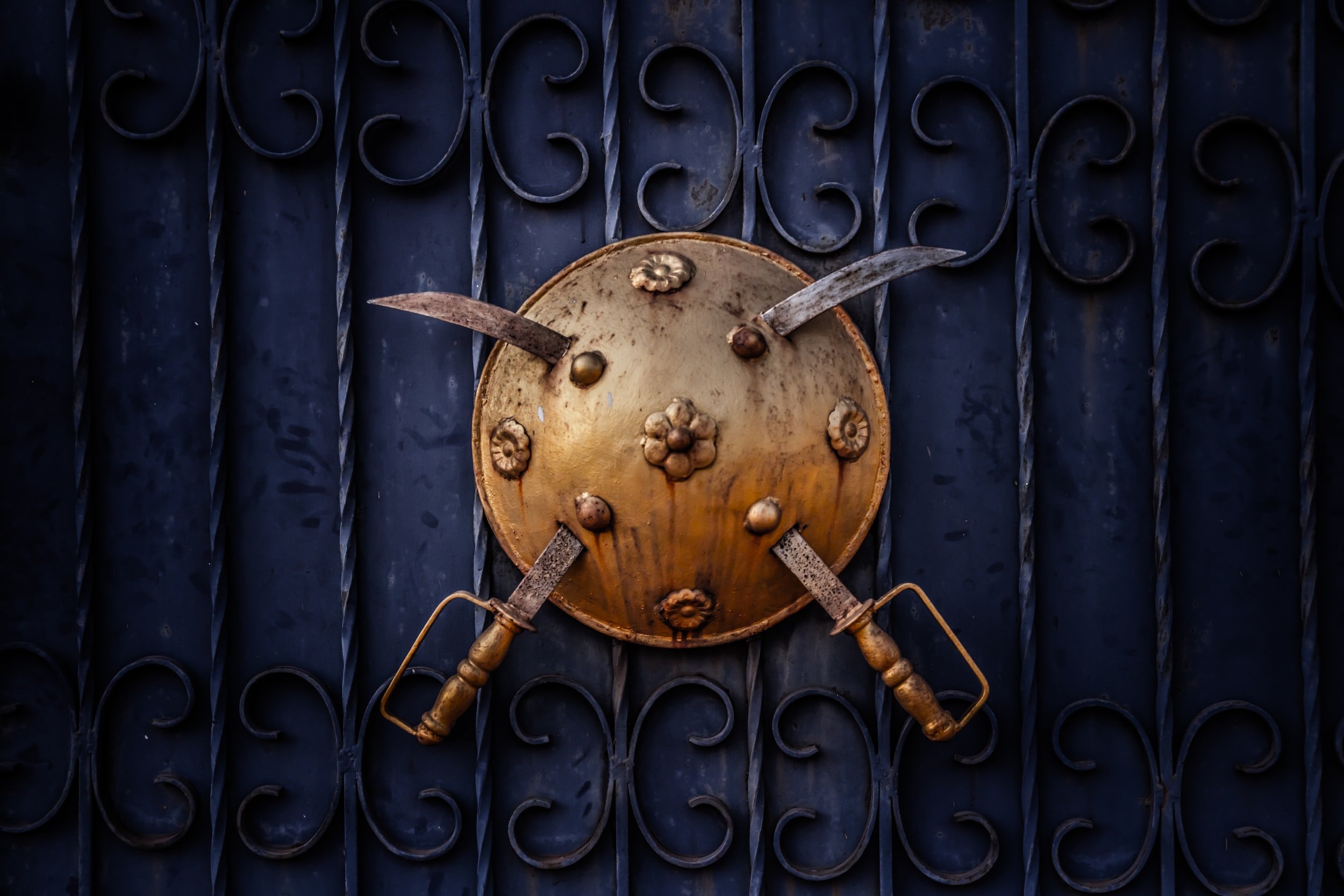
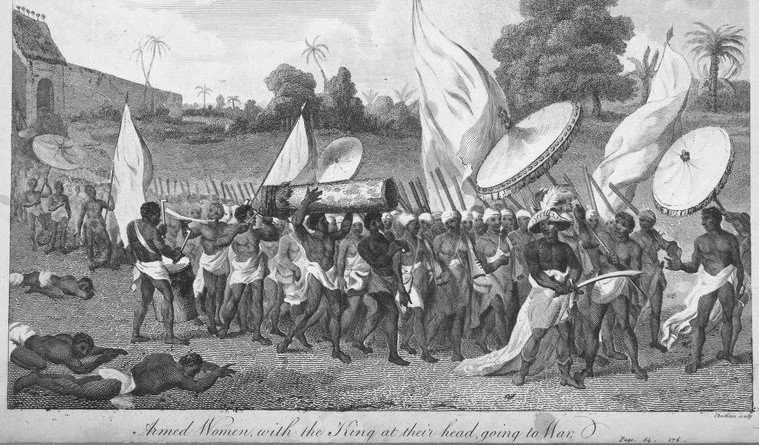
Many women were able to fight in battles, defend their kingdoms, and take up leadership roles, titled ‘warrior women,’ throughout the centuries. Their stories are inspiring and motivational for women everywhere to continue to be independent, strong, and courageous. The Dahomey Amazons were a real-life all-female warrior militia that existed from the 17th century to the 19th in the kingdom of Dahomey, today Benin of West Africa. They resulted from the male population facing high casualties from war and frequent violence from neighboring West African states, and the king at the time, King Houegbadja, implemented them. They called themselves the Mino, meaning ‘Our Mothers,’ in the Fon language, and were recruited as young as eight. Some voluntarily enrolled, while others involuntarily by their fathers or fathers. The Dahomey women warriors earned their reputation as fierce warriors, often earning the praise of enemies that they defeated in battle.
NO. 2
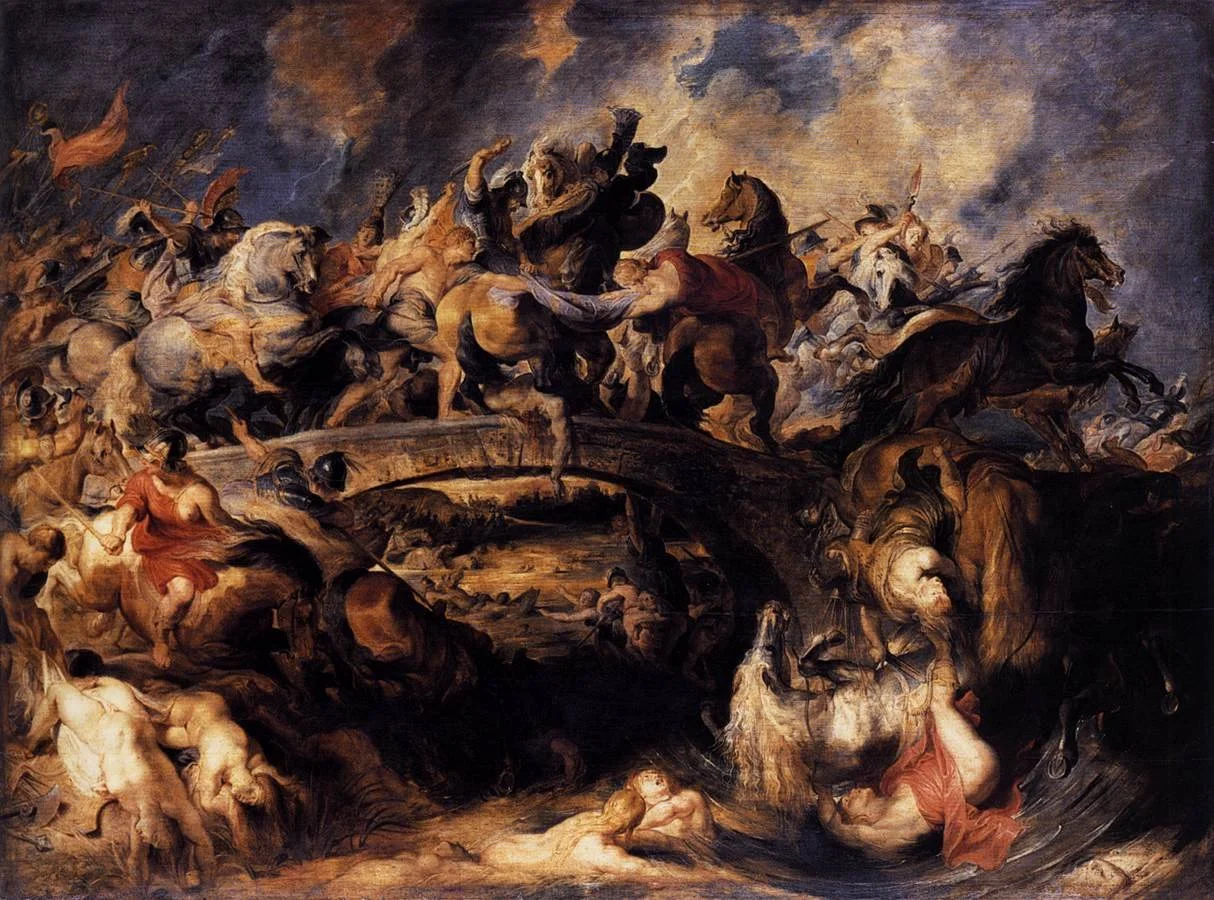
For the Greeks, they had the Amazonians; several tales from Greek mythology have been written about them. They were raised to fight from birth, where they would defeat and kidnap male warriors and keep them as enslaved peoples, mated with them, and kept their daughters raised as Amazons while having their sons be returned to their fathers. In one tale, the fight against the mythical Heracles, where one of his labors was to obtain the girdle from queen Hippolyte, the queen of the Amazons. They weren’t just mythical though; they were just real as well. Many burial sites revealed that ‘‘In the grasslands of inner Asia, from the Black Sea to western China, Scythian women had the same skills as their men: wielding bows, riding and herding animals, fighting – and dying from their injuries. Their remains have been found in tomb mounds from Crimea to western China.’’
NO. 3
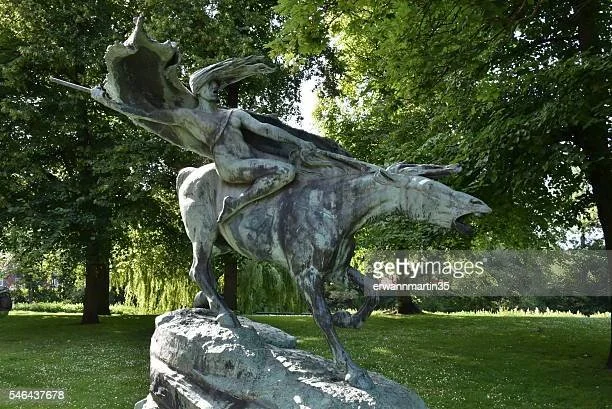
The Valkyries were the Norse equivalent of female warriors, who, in mythology, guide the souls of the noblest of the dead to Valhall. Many famous poems and Eddas are centered around these famous warriors of Odin, king of the gods. Still, we’re not talking about mythology but actual female Viking warriors. In 2019, archaeologists uncovered the remains of a decorated female warrior from the 10th century, proving women held high-status positions in Viking culture. ‘‘Several weapons were buried alongside the body, including a sword, armor-piercing arrows, a battle knife, an axe, a spear, and two shields, indicating that the skeleton was likely that of a warrior. Accompanying the wide array of weapons were two horses, a full set of game pieces, and a gaming board. The gaming pieces suggest that the person buried was a high-ranking combatant who was knowledgeable of strategies and tactics.’’

The tale of the Kuchisake-onna
The tale of the Kuchisake-onna dates back to the 17th to 19th century in Japan and is described as a woman mutilated, with her mouth split from ear to ear. The tale has various origins, claiming that she either was the adulterous wife or mistress of a great samurai that he became so outraged at hearing his wife was unfaithful that he slashed his wife’s mouth from ear to ear as punishment. Other tales claimed that she was once a great beauty and a jealous woman cut her; or that she had a dental procedure gone wrong. Either way, she died of the blood loss, and she came back as a malevolent spirit who appears to you and asks, ‘Am I pretty?’ Or, ‘Am I beautiful.’
She appears on a usually foggy night to a stranger, according to Kuchisake-Onna | Creepypasta Wiki | Fandom, haunting different places, wearing a mask that hides her face. She will stop a person and ask you directly, ‘‘Do you think I’m beautiful?’’ The person will usually answer, ‘‘Yes,’’ causing her to lower the mask to show off the hideous bloodied scars and ask, ‘‘What about now?’’ If you say no, scissors will appear in her hand, and she will slash you to death. If you still say yes, she will give you the same markings that show on her face, leaving you with the same fate. ‘‘There are several ways to prevent this terrible fate. One, to confuse Kuchisake-Onna by saying: "You are average." Two, present her with hard amber candy, which she'll take much delight in and let you go. Three, say ‘Pomade’ six times, and she will flee. Four, ask her if you are beautiful, which will confuse her hopefully long enough to escape. But be wary. She is said to be incredibly fast and will be unlikely to stop.‘‘
So if you see a strange woman on the street wearing a mask to stop you and ask the words, ‘Am I pretty/Do you think I’m beautiful?’’ I suggest that you adopt an NYC attitude (I can say this, I am from New York) and drop some candies before walking or sprinting away!
Ra, the Sun Deity
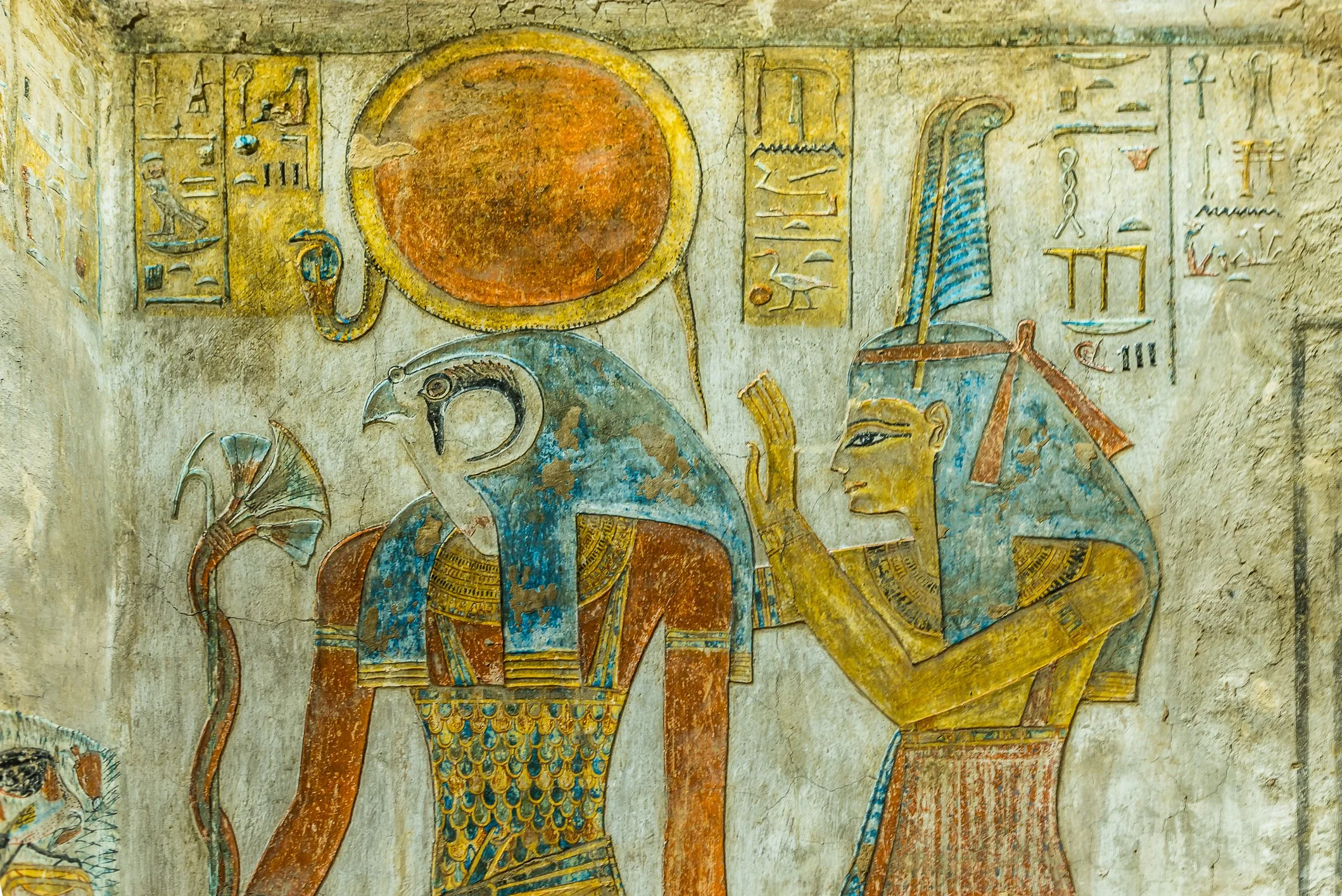
There are many versions of Ra. ‘Ra’ is the Egyptian word for the sun, and since we are talking of the Egyptian pantheon of gods, he was the oldest of them all and later merged with others such as Horus, becoming Ra-Horakhty (the morning sun), Amun (as noonday sun), and Atum (the evening sun) associated with primal life-giving energy. As a solar deity, he was the sun riding in his ship during the day and descending into the underworld come night.
In Egyptian mythology, it is said he battles the giant serpent Apophis every time he goes to the underworld to start the end of the world and prevent the sun from ever-rising and destroying life on Earth forever. Ra was the most important god of Egypt and the most popular one, as he emphasized 'life-giving/bearing.' Worship of Ra was established in the Old Kingdom with the development of funerary rituals dedicated to the god. His image appeared on all royal monuments since the First Dynasty. Later emperors adopted the name “Ramses” as a religious title after the king's grandfather, who was also known as Ramesses I.
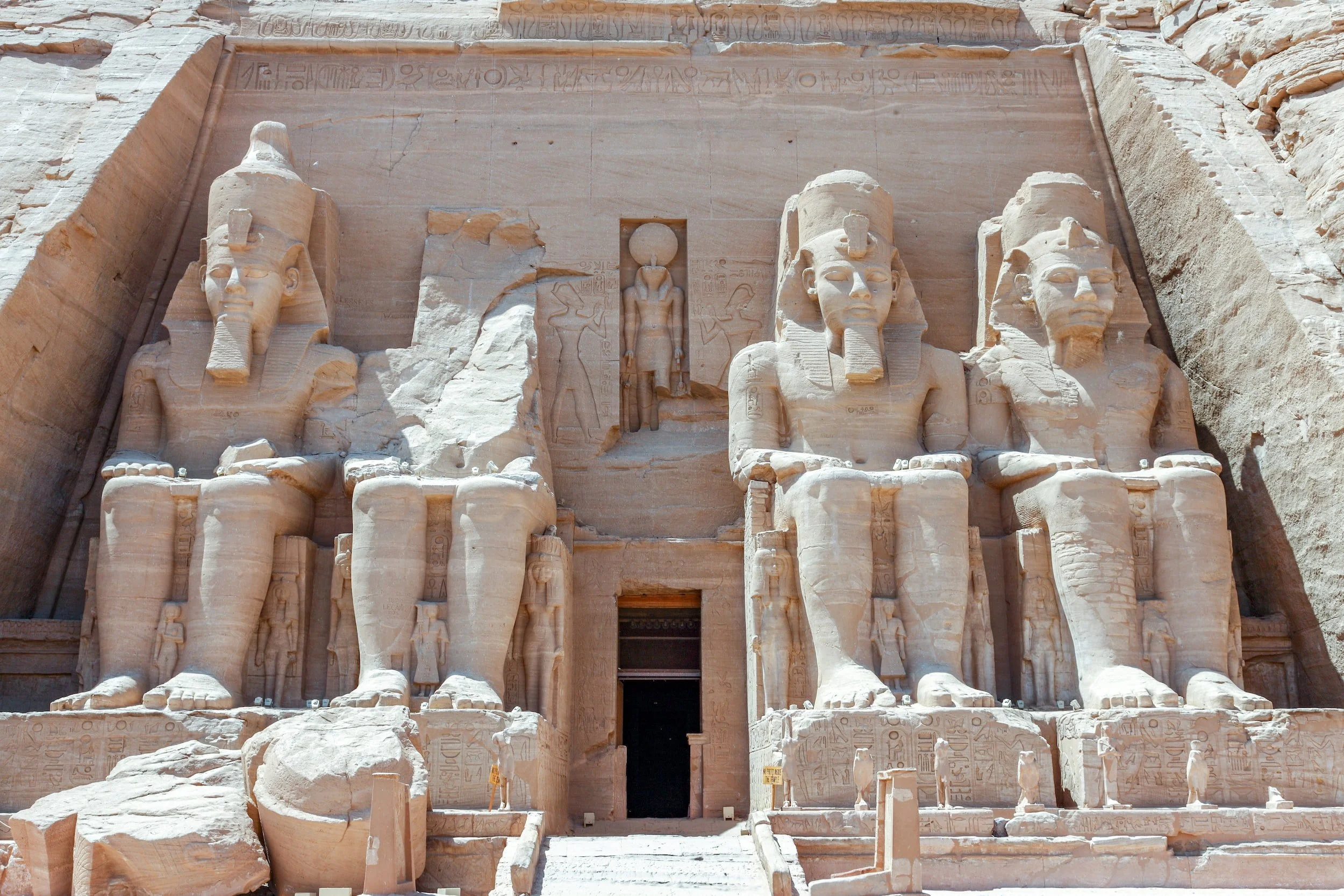
The most famous representations of Ra are is found on the Narmer Palette, a ‘‘hieroglyph of King Menes, which established Egypt’s first state religion around 3100 BC. The earliest known depiction of the god appears on one of the oldest surviving mummy masks, dating to the Middle Kingdom. This mask portrays the King wearing the headdress and chest ornaments that were worn by high priests of the temple of Ra during the Middle Kingdom period. Over time, the ram’s head symbol of Ra became widespread in Egypt, including appearing on the King’s banners and on temples as well as royal palaces.’’
Ra is a solar deity that is associated with light and rebirth. Throughout the history of mankind, the Sun has been considered the source of life for humanity, and therefore it has been used as a symbol by many religions to signify divinity. The Sun is associated with Ra because it is at his temple that the rays of sunlight would be most intense, shining on the statue of the god as if inviting him to shine on mankind. The ancient Egyptians believed that their civilization was founded by the gods of the sun. They associated the rising Sun with life and creation and used it to represent the passage of time – between each day and each month, the Egyptians measured the passing of time by counting the hours and minutes until the rising of the Sun again.
Santa Muerte
The history and celebration of Santa Muerte!
NO. 1
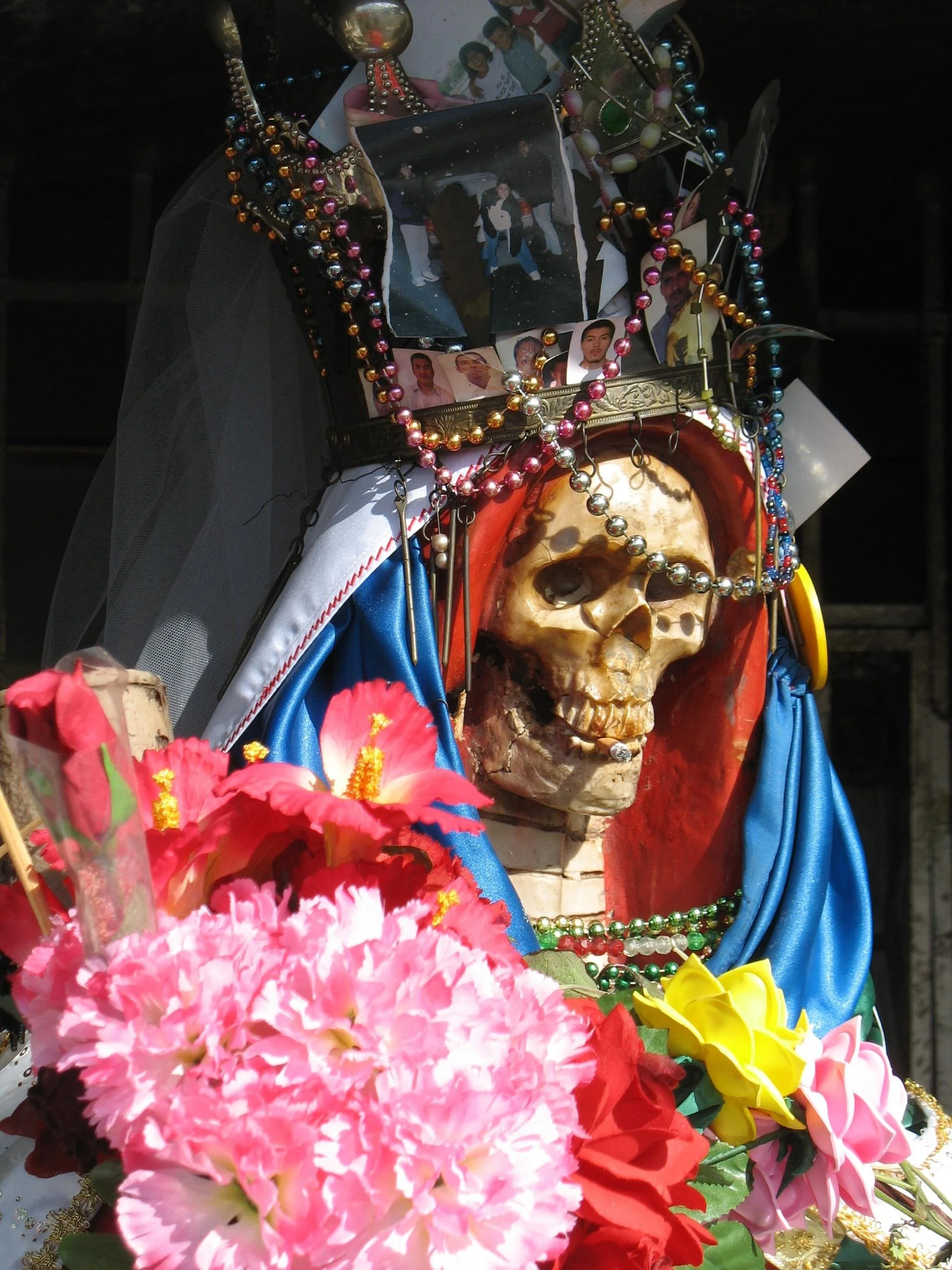
A skeletal figure dressed in robes or dressed in the virgin’s shroud, Santa Muerte is both the Grim Reap-ress and the Angel of Mercy. She is the personification of death, and her full title, Nuestra Señora de la Santa Muerte as she is well known as, brings an ambiguous and malleable identity that is associated with healing, protection, and safe delivery to the afterlife by her devotees, as her following, especially in 21st century is being celebrated all over South America, but especially Mexico City to the United States and Canada.
NO. 2
Even though Christian missionaries and leaders condemned the religion, Santa Muerte ‘‘offers hope to a society threatened with hopelessness. In the colorful barrios of Mexican culture, the figure of Death is ubiquitous. With the lure and dangers of narco-culture, the violence among competing youth gangs, the haunting realities of an economy in collapse, and the gravel fight to survive in a Tepito marketplace; Mexicans face the reality of death on a daily basis. Santa Muerte, the image of death, protects them from uncertainties in their everyday lives. When Death is the only guarantee, it seems like Death is the only one to be trusted.’’ The worship of Santa Muerte began in the mid-20th century and was clandestine until the 1990s, were most prayers and other rites have been performed traditionally at home. Now in the 21st century, worship has become a more public thing. Santa Muerte has a male counterpart in the U.S, called the skeletal folk saints San La Muerte of Paraguay and Rey Pascual of Guatemala.
NO. 3
So, what caused the worship of Santa Muerte to become a massive, worldwide following? Drug violence, for one, and loss of faith in Christianity. ‘‘Former Mexican president Felipe Calderon’s declaration of war on the cartels in 2006 was received with praise by North American politicians, as in their view, it seemed that the Mexican government was finally taking a strong stand against the cartels and that there would be a swift resolution to the social problems associated with drug trafficking. This open war declared on the cartels resulted in an escalation of drug violence and forced several dramatic changes in the safety of Mexico and its already chaotic social scene. Military personnel, paramilitary groups, and the cartels have been fighting for control of the country and have created a state of panic in the border towns and beyond. The panic and violence in the north have begun to gradually make it’s way south and reach areas that were once ‘safe’. According to the BBC from 2006 to 2012, more than 50,000 individuals have died from drug-related violence. Amidst the drug-related instability, the once strong and influential Mexican Catholic Church has been losing credibility, support, and members. The loss of faith in the Catholic Church could be caused by many factors: general pessimism, individuals searching for other forms of faith, and the result of the church’s support for governing political parties.’’

NO. 4
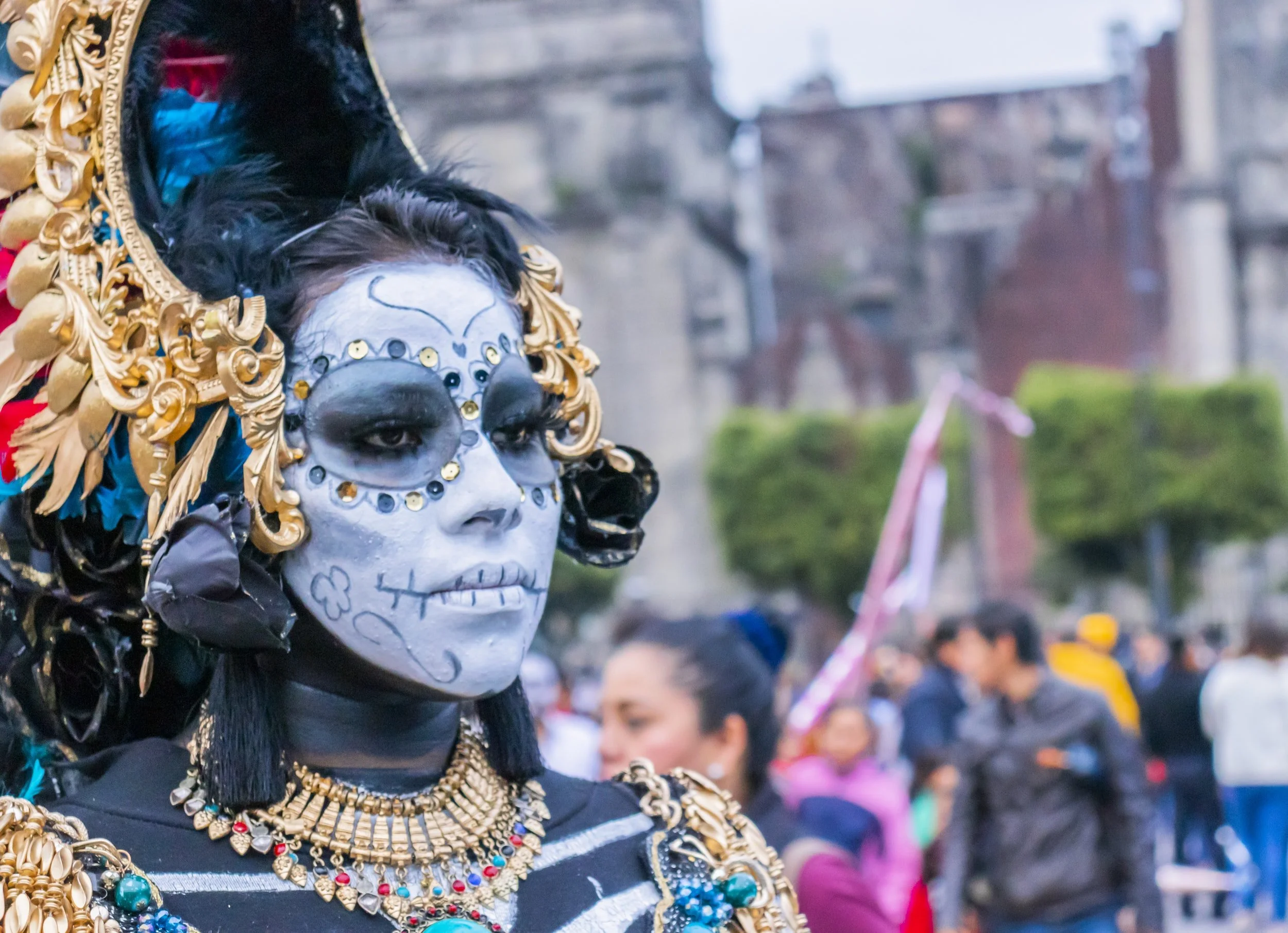
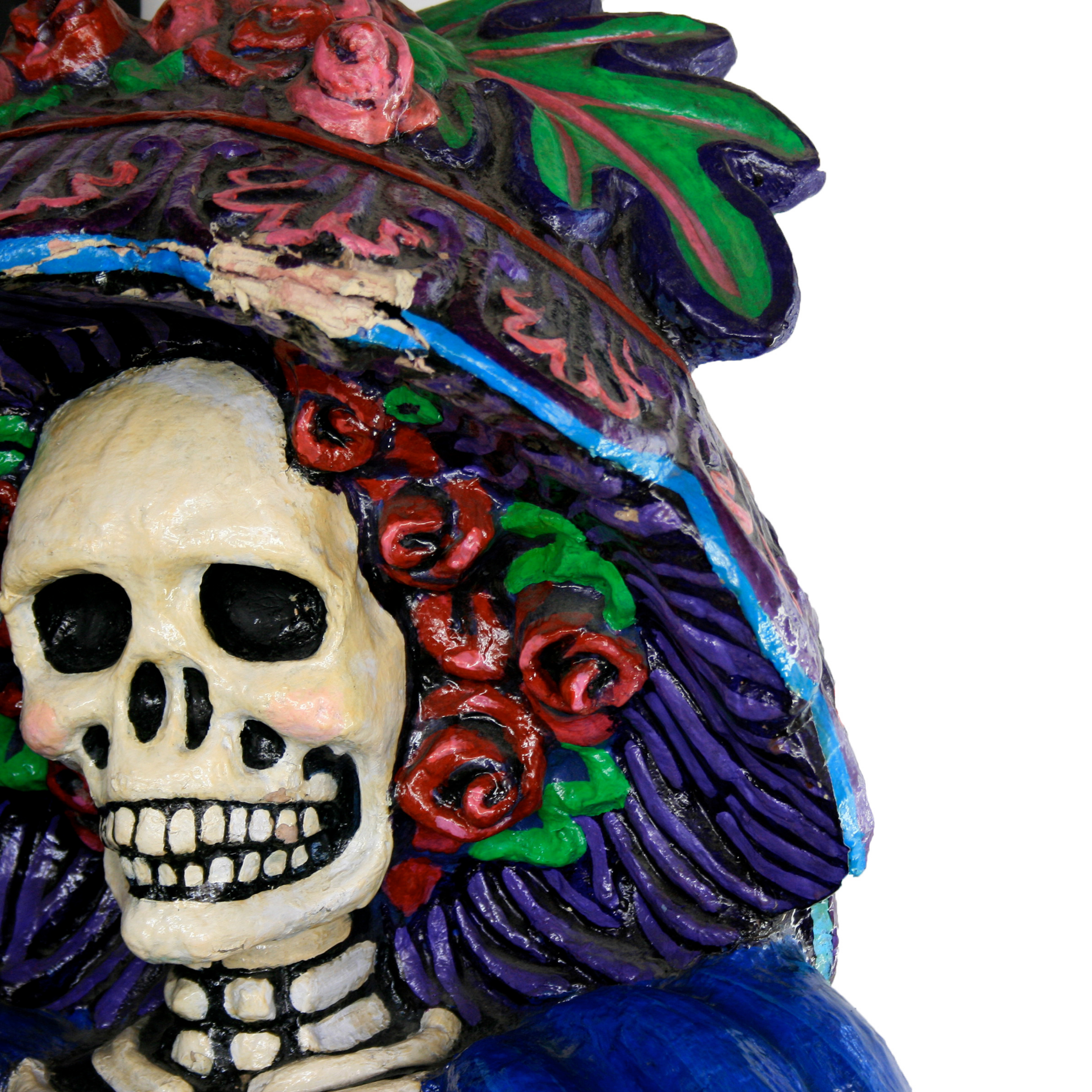
Who is Santa Muerte? Anthropologists and historians J. Katia Perdigon Castaneda and R. Andrew Chestnut agree that the veneration of Santa Muerte is a combination of Catholic imagery and rituals from Meso-American pre-Hispanic gods and rituals. There is a common list of names for the goddess, such as Mi Nina, (My little girl), La Nina Bonita (the Pretty Girl), La Madrina (the Godmother), and Mi Amor (My Love)—adoring names that tighten the relationship between devotee and saint. There are darker allegations like Senora de la Sombras (Lady of the Shadows) or La Negra (the Black Lady). There is also La Hermana Blanca (The White Sister) and Hermana de la Luz (Sister of the Light). She is celebrated on the Day of the Dead, November 1st and 2nd. better known as Dia De los Muertos.
The Labyrinth
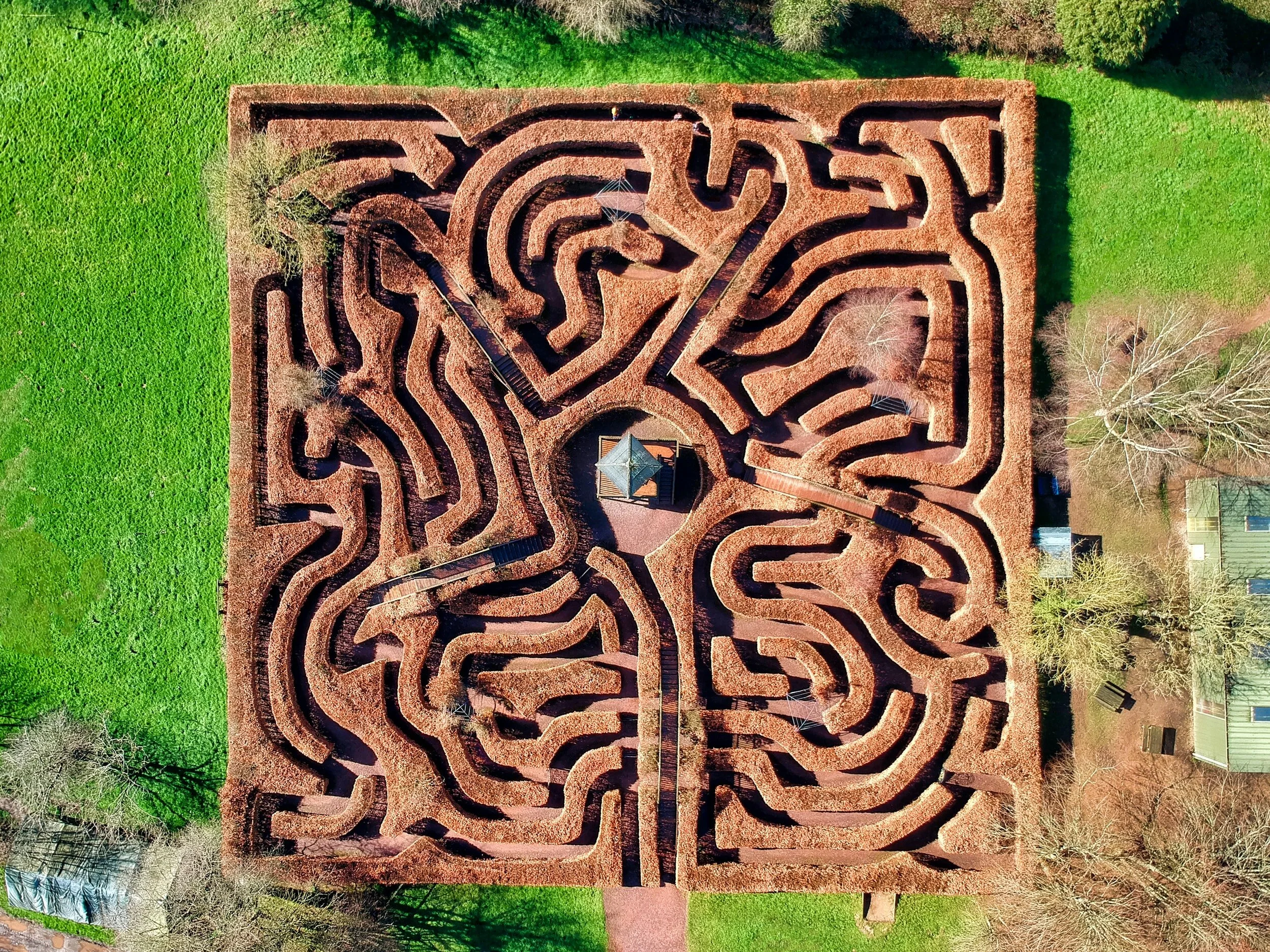
Labyrinths from mythology are described more as mental quests, a challenge of the mind for the hero to overcome. Labyrinths are a deadly loss of misdirection, physically and mentally. The most famous story is the creation of the labyrinth, created by Daedalus, the greatest inventor and master craftsmen in all of Athens, Greece, for King Minos of Crete to conceal his monstrous son, the Minotaur, a creature half-man, and half bull. Theseus, the hero of this myth was sentenced as a sacrifice for the Minotaur but was helped by King Minos’ daughter Ariadne, who gave him a pure thread to retrace his steps and slay the monster.

Several films, poems, and books talk about labyrinths and then some. Labyrinths are seen as grand symbols, as human beings have been fascinated with them since the beginning of time. The journey of the maze is the main character having to dive into a physical as well as mental underworld of sorts. ‘‘ ‘Labis’ is the Greek term for the double-headed ax. The earliest images of labyrinths. Their passageways like ripples or echoes radiating from the form of a double-headed ax; The acquisition of language, the mind-body problem, the question of meaning, of free will, consciousness. And the nature of that innate faculty of the ethical. Robert Morris says, ‘‘ideals, the admirable, right and wrong, the good, logic, principles. All connected in any given form of life. But maybe down deeper things are simpler.’’

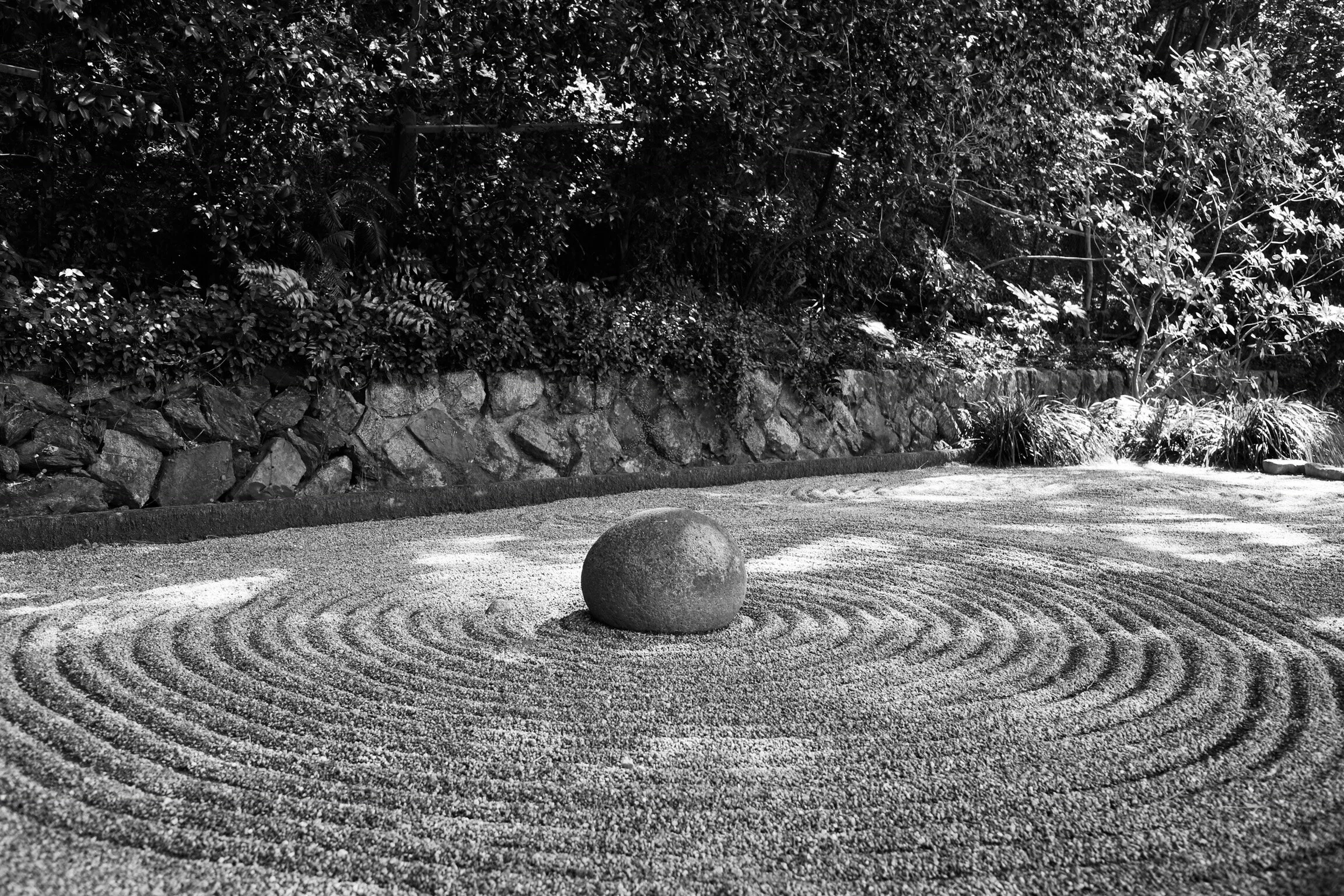
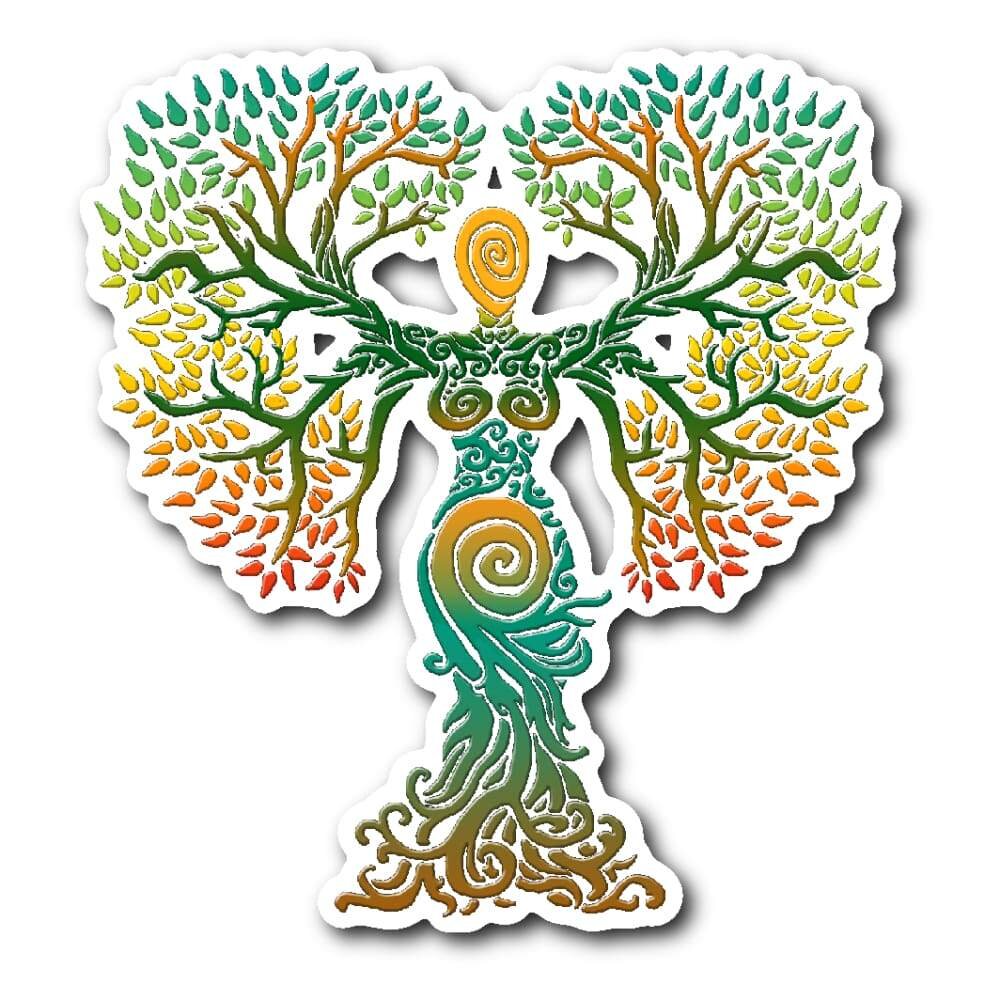
Every corner of the world covers the symbolism of the linear one-way labyrinth as a pathway towards the center, towards salvation, God, and the tree of life. Trees play an important role, as they are connected to the labyrinth, they too are connected to the symbols of life, in Christianity and paganism. It is the archetype of the human experience and self idealization and leads us down a quest where the only way is through, emotionally, psychologically, and physically. The labyrinth is an ancient symbol that relates to wholeness, combining the imagery of the circle and the spiral into a meandering but purposeful path. It represents a journey to our own center and back again out into the world. ‘‘They [Labyrinths] have long been used as meditation and prayer tools. They have been found in ancient Crete, Egypt, and Etruscan; they have been inscribed on Neolithic tombs. They are a call to the center, a worship structure where the eternal beloved waits to be encountered. The labyrinth has always been associated with unity with God and conversation with the divine, with spirituality, worship, and the sacred mystery. Long ago, Christians were expected to travel to the holy land at least once during their lives. But as travel was often both difficult and dangerous, labyrinths were designed as alternative pilgrimages. If travel was out of the question, spiritual merit could be gained by walking a labyrinth.’’

Thoth's Prophecy of Egypt
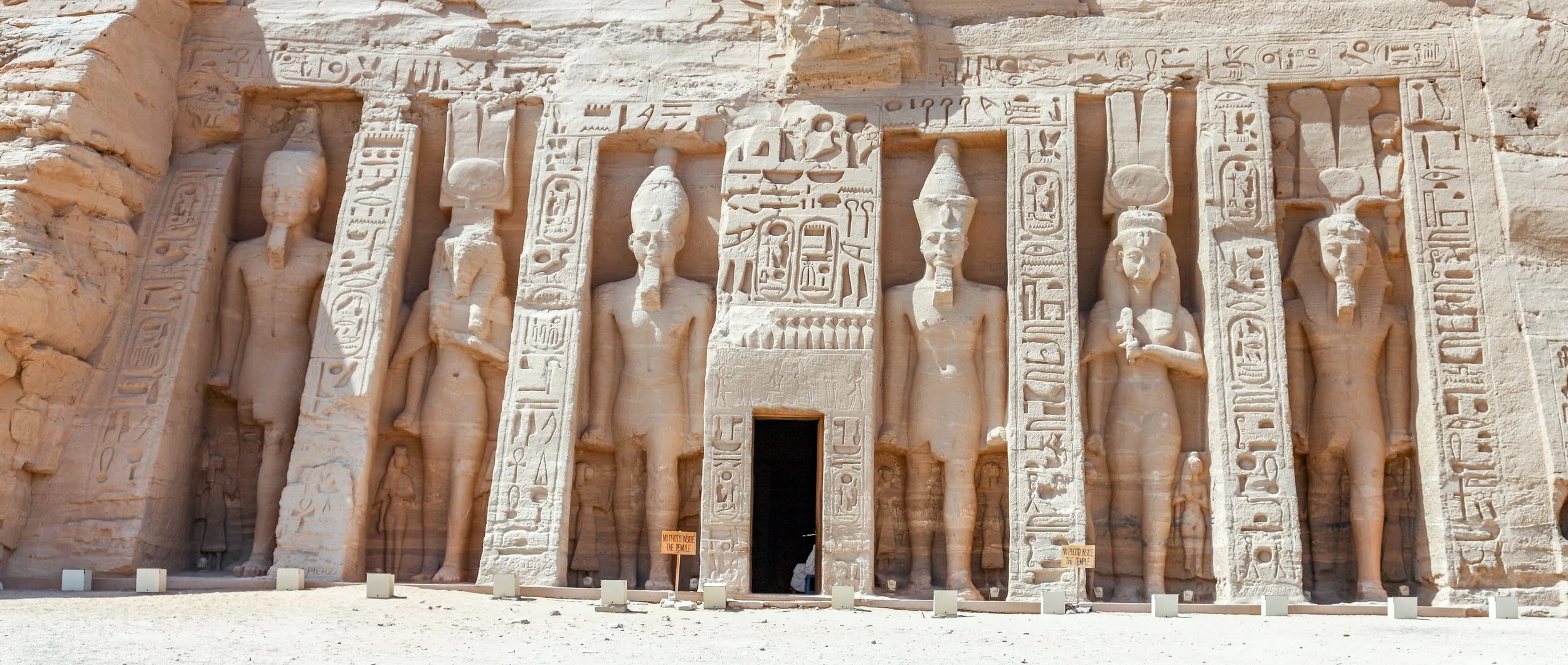
The fall of Egypt. The Egyptian god Thoth, of magic, wisdom, science, and intellect tells the divine servant, Asclepius, of the nature of the cosmos, of God, and of the cycle between life and death.
Who was Thoth? Thoth was the Egyptian god of wisdom and intellect, the creator of writing and hieroglyphics, science and magic, and is the representative of the gods. He is depicted human-like, but with the head of a baboon, his most sacred animal. Though Thoth is interesting to research, we’re more concerned with his prophecy for Egypt, located in the Hermetic texts. Every god has slight differences but overwhelming similarities. Hermes, the god of flight, was the Greek equivalent to Thoth.
What were the Hermetic texts? They were the philosophical texts dedicated to the Hellenistic figure Hermes Trismegistus, found in pagan circles like Syria and Mesopotamia who never had to endure the rise of Christian Fascist suppression, which escaped Muslim persecution by the artful device of inventing or becoming the religious group known as the Sabians, named in the Koran, hence deserving of respect, as Sabians mean ‘people of the book’. Eventually, the documents ended up in Constinapole. ‘‘The work is basically a dialogue in question and answer form. The two chief interlocutors are the god Thoth and a disciple ‘who wished to know.’ Another God, seemingly Osiris, also speaks with a disciple. This literary frame might suggest a comparison with the Greek Hermetic writings, which are also teaching dialogues between Hermes-Thoth and disciples. This comparison would appear all the more legitimate than in the Demotic text, Thoth is once called wr wr wr, ‘the thrice great one’. ‘‘
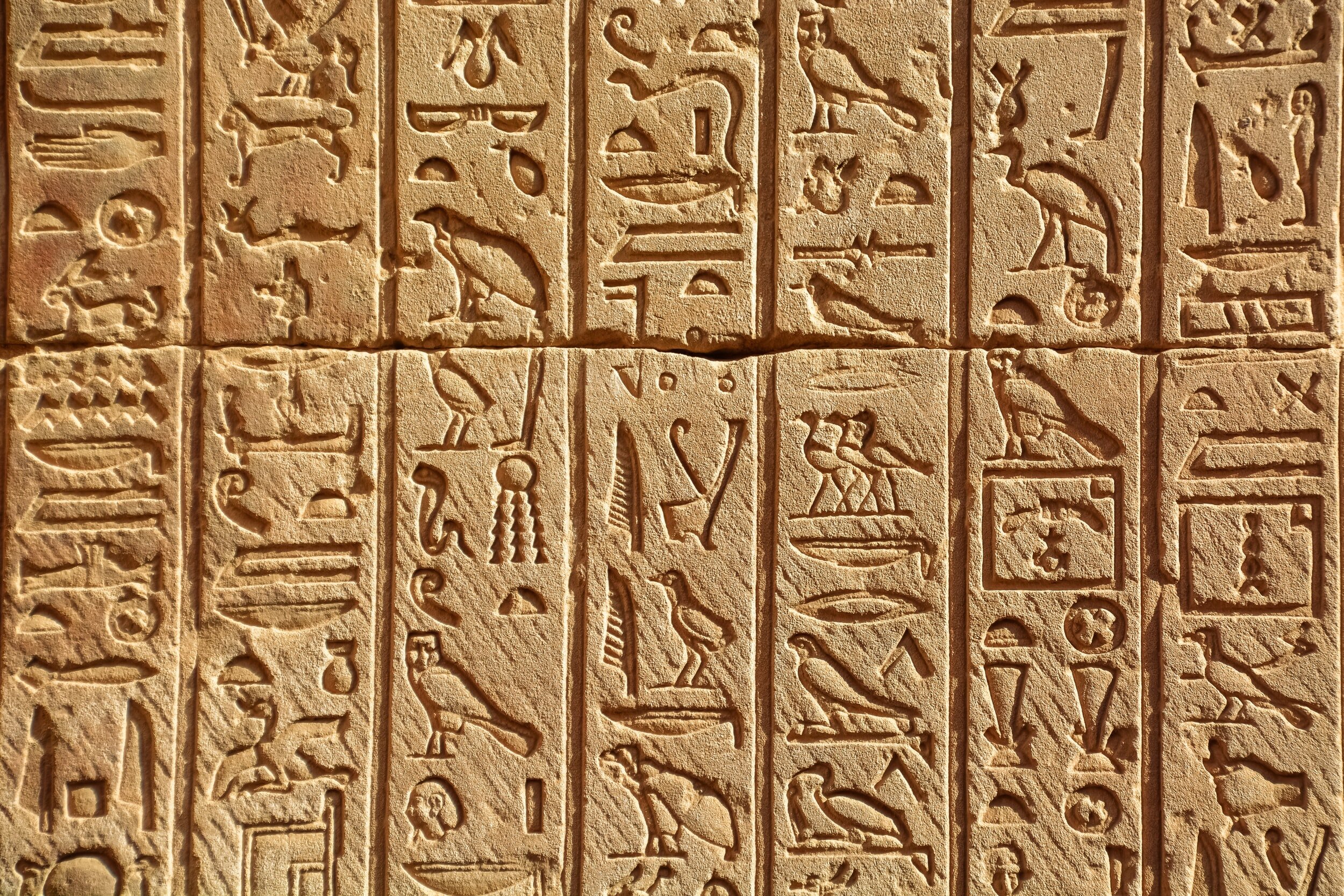
Thoth’s prophecy is a description of the nature behind cosmology, on the nature of God, the cycles of life, and the nature of the world. Every culture has what is commonly expressed as philosophical teachings; sometimes they are shared, like Greece and Egypt. Except this Egyptian content was created more than 2,500 years before Greece’s literature on philosophy. ‘‘The Hermetica as a whole is plainly a product of Greek culture in Egypt. The famous case from Edfu of Thoth, the Egyptian Hermes, introducing himself and establishing his direct descendent from the supreme god Ra. In short, the occurrence of the ‘I am..’ formula in a text from Egypt is immediately suggestive of native religious traditions.’’ But what does the prophecy entail? Why the doom of Egypt of course. An excerpt from Acclepius III spins the tale of the fall of the city, of the people, of the gods, and of their empire.
‘‘Nay, it should rather be said that the whole Kosmos dwells in this our land as in its sanctuary. And yet, since it is fitting that wise men should have knowledge of all events before they come to pass, you must not be left in ignorance of this: there will come a time when it will be seen that in vain have the Egyptians honored the deity with heartfelt piety and assiduous service; and all our holy worship will be found bootless and ineffectual. For the gods will return from earth to heaven; Egypt will be forsaken, and the land which was once the home of religion will be left desolate, bereft of the presence of its deities. This land and region will be filled with foreigners; not only will men neglect the service of the gods, but ...; and Egypt will be occupied by Scythians or Indians or by some such race from the barbarian countries thereabout. In that day will our most holy land, this land of shrines and temples, be filled with funerals and corpses. To thee, most holy Nile, I cry, to thee I foretell that which shall be; swollen with torrents of blood, thou wilt rise to the level of thy banks, and thy sacred waves will be not only stained but utterly fouled with gore. Do you weep at this, Asclepius? There is worse to come; Egypt herself will have yet more to suffer.’’
The Great Goddesses
NO. 1
Polytheism is the belief in multiple gods, the entertainment of monsters, heroes, and spirits, and the worship of nature. There are all sorts of gods responsible for all sorts of natural, magical, and human qualities and aspects, like fertility goddesses. Fertility goddesses are the complete representation of the fertility of women in general and of the land they live upon.
NO.2
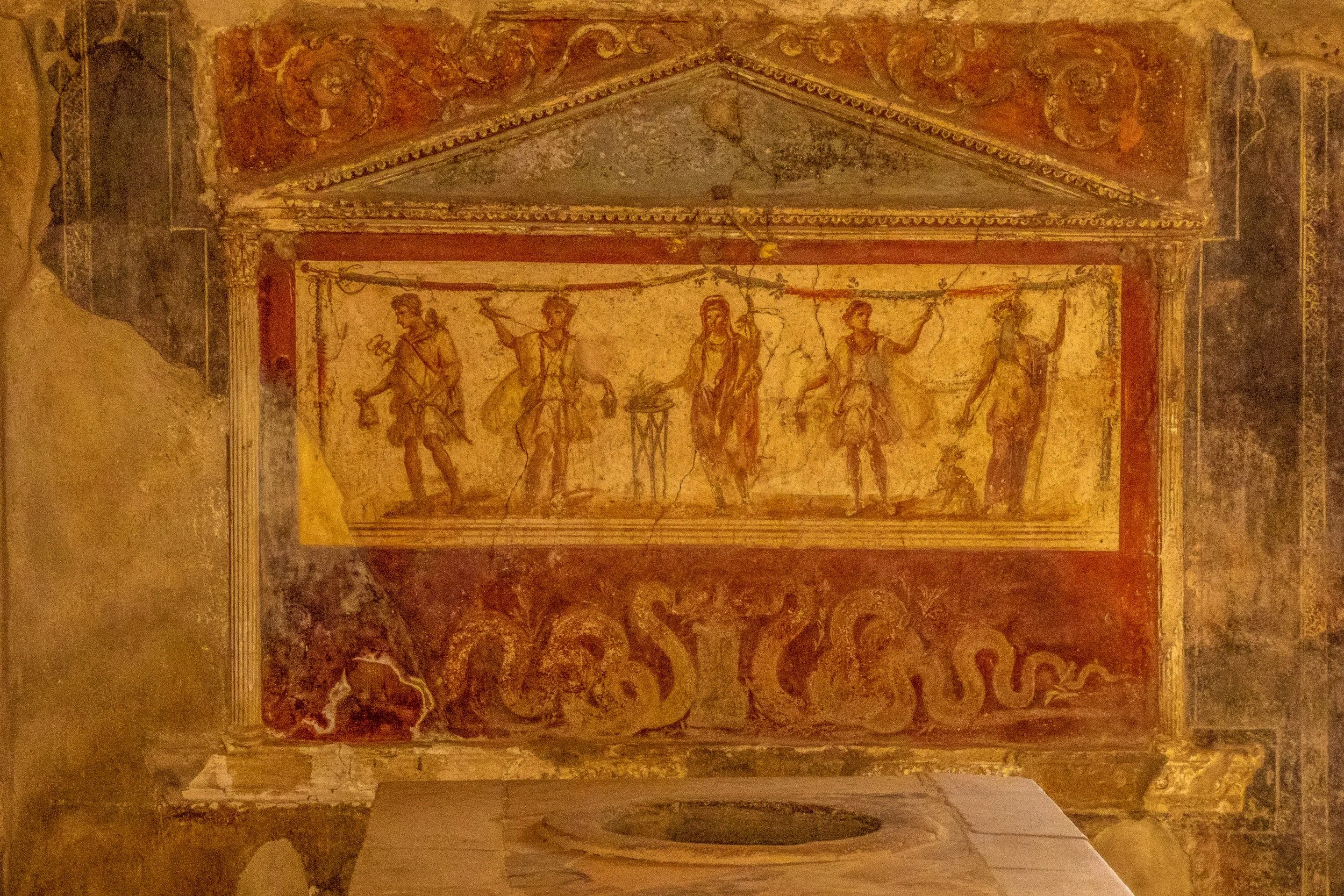
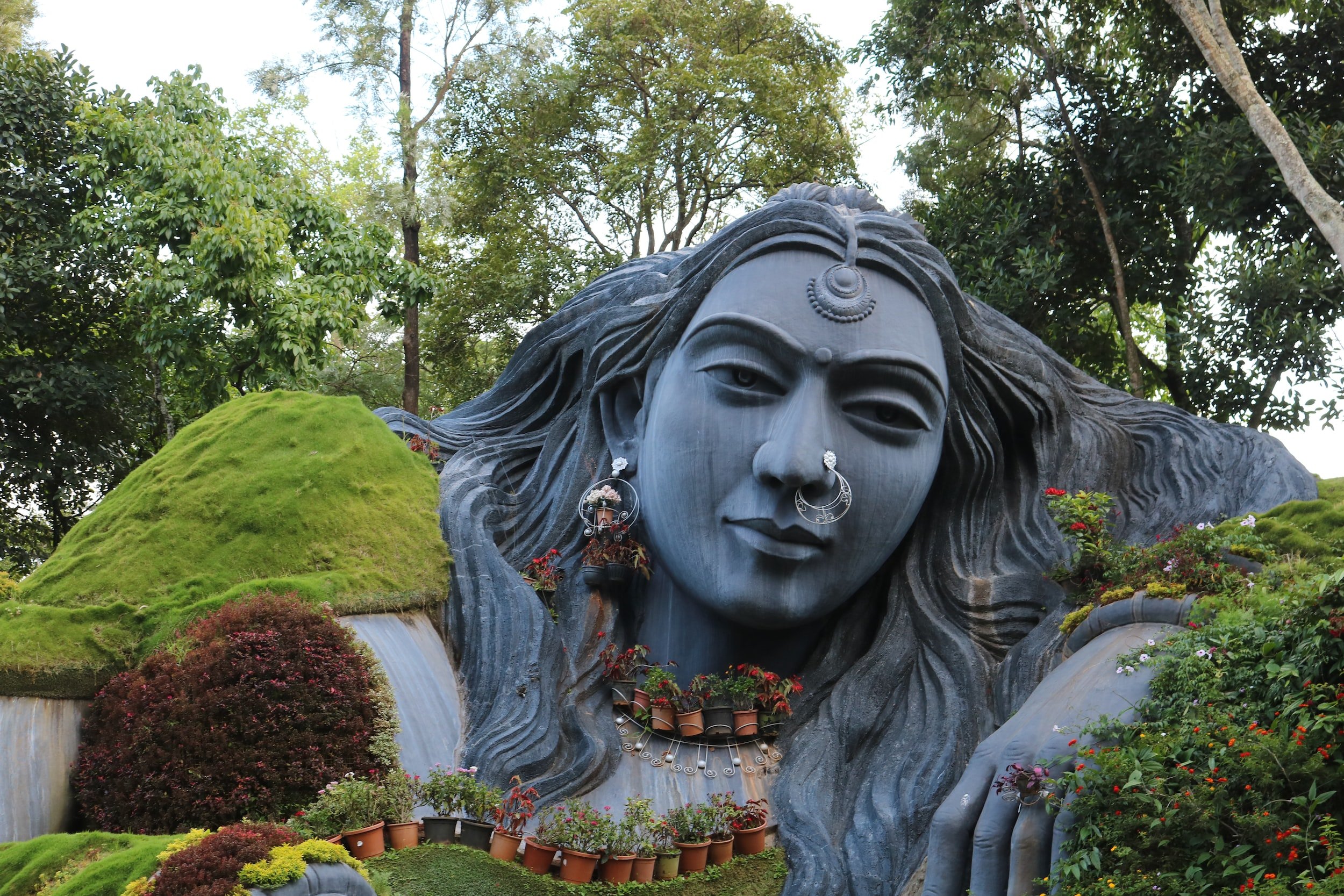
The original fertility goddess humans worshiped was the ‘‘Great Mother’’ or ‘Mother Earth’. These female archetypes are usually mothers of other deities. They manifest many different aspects of the female and the natural world. ‘‘The Goddess is the power of intelligent embodied love that is the ground of all beings. The earth is the body of the Goddess. All beings are interdependent in the web of life. Nature is intelligent, alive, and aware. As part of nature, human beings are relational, embodied, and interdependent. The basics of ethics are the feeling of deep connection to all people and all beings in the web of life. The symbols and rituals of the Goddess religion bring these values to consciousness and help us build communities in which we can create a more just, peaceful, and harmonious world.’’
NO. 3
Every culture before Christianity, worshipped polytheism and essentially the Great Goddess which is connected to all nature and therefore, all life. Worshipped as the giver of life, fertility, and prosperity, she is still celebrated today in many cultures around the world.