Warrior Women!
NO. 1
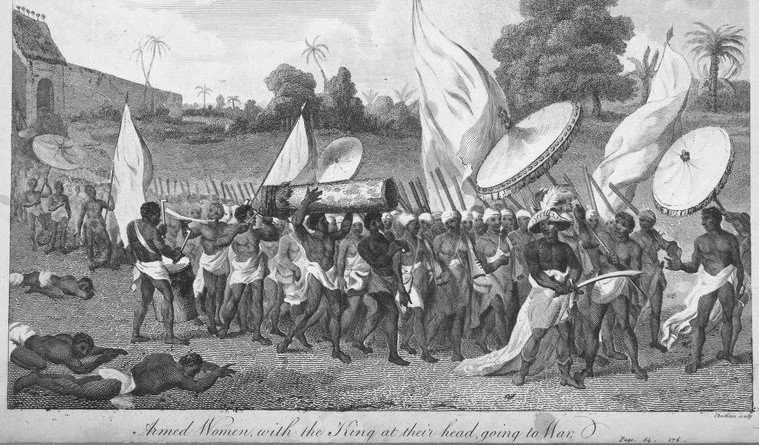
Many women were able to fight in battles, defend their kingdoms, and take up leadership roles, titled ‘warrior women,’ throughout the centuries. Their stories are inspiring and motivational for women everywhere to continue to be independent, strong, and courageous. The Dahomey Amazons were a real-life all-female warrior militia that existed from the 17th century to the 19th in the kingdom of Dahomey, today Benin of West Africa. They resulted from the male population facing high casualties from war and frequent violence from neighboring West African states, and the king at the time, King Houegbadja, implemented them. They called themselves the Mino, meaning ‘Our Mothers,’ in the Fon language, and were recruited as young as eight. Some voluntarily enrolled, while others involuntarily by their fathers or fathers. The Dahomey women warriors earned their reputation as fierce warriors, often earning the praise of enemies that they defeated in battle.
NO. 2
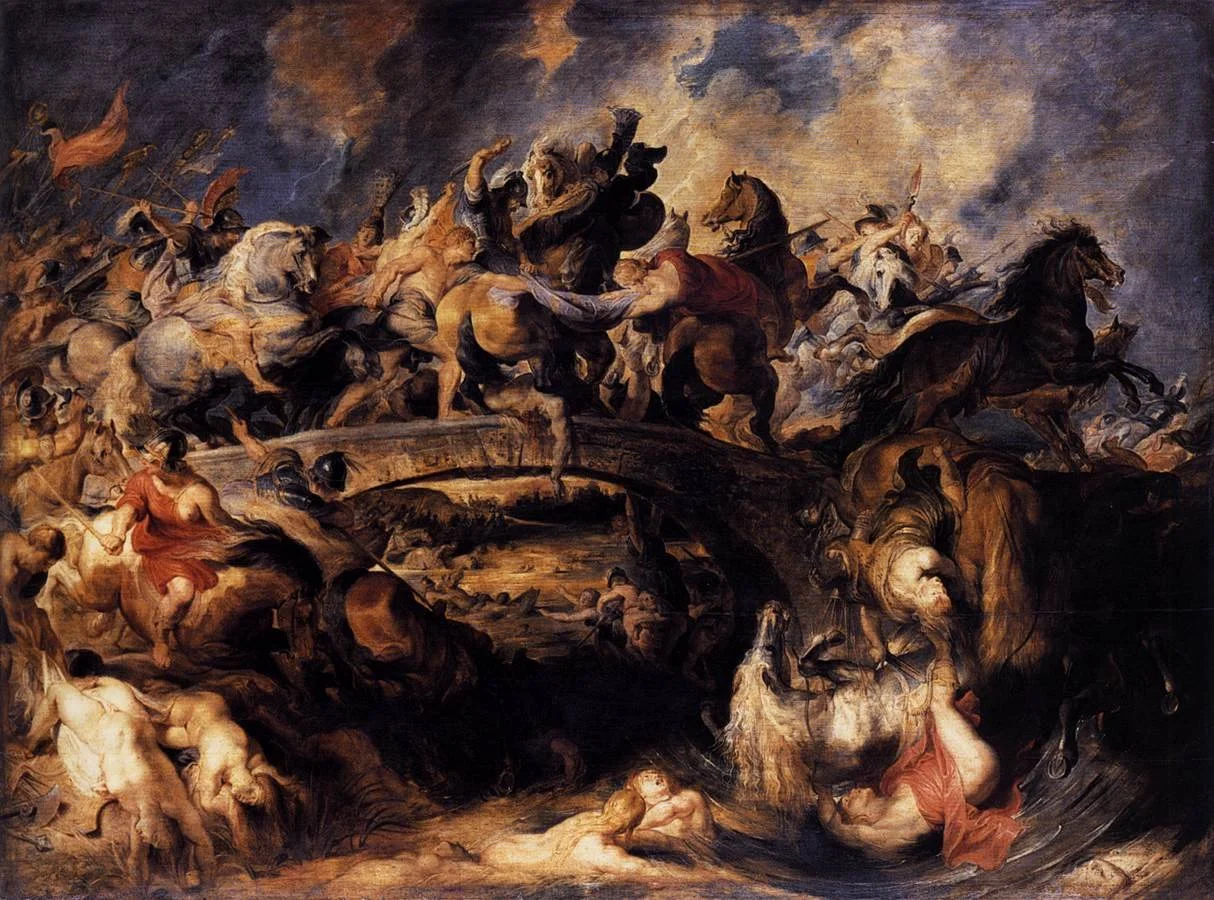
For the Greeks, they had the Amazonians; several tales from Greek mythology have been written about them. They were raised to fight from birth, where they would defeat and kidnap male warriors and keep them as enslaved peoples, mated with them, and kept their daughters raised as Amazons while having their sons be returned to their fathers. In one tale, the fight against the mythical Heracles, where one of his labors was to obtain the girdle from queen Hippolyte, the queen of the Amazons. They weren’t just mythical though; they were just real as well. Many burial sites revealed that ‘‘In the grasslands of inner Asia, from the Black Sea to western China, Scythian women had the same skills as their men: wielding bows, riding and herding animals, fighting – and dying from their injuries. Their remains have been found in tomb mounds from Crimea to western China.’’
NO. 3
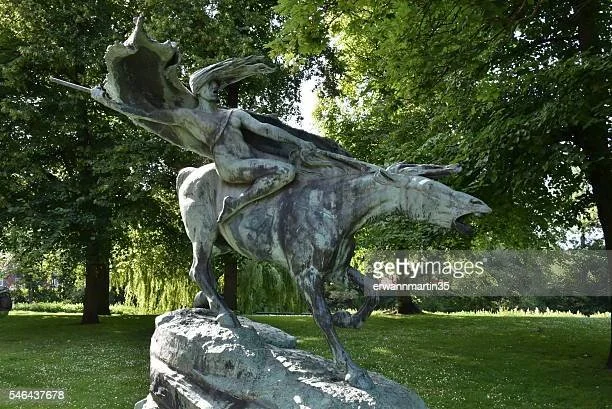
The Valkyries were the Norse equivalent of female warriors, who, in mythology, guide the souls of the noblest of the dead to Valhall. Many famous poems and Eddas are centered around these famous warriors of Odin, king of the gods. Still, we’re not talking about mythology but actual female Viking warriors. In 2019, archaeologists uncovered the remains of a decorated female warrior from the 10th century, proving women held high-status positions in Viking culture. ‘‘Several weapons were buried alongside the body, including a sword, armor-piercing arrows, a battle knife, an axe, a spear, and two shields, indicating that the skeleton was likely that of a warrior. Accompanying the wide array of weapons were two horses, a full set of game pieces, and a gaming board. The gaming pieces suggest that the person buried was a high-ranking combatant who was knowledgeable of strategies and tactics.’’
Krampus, the legend!
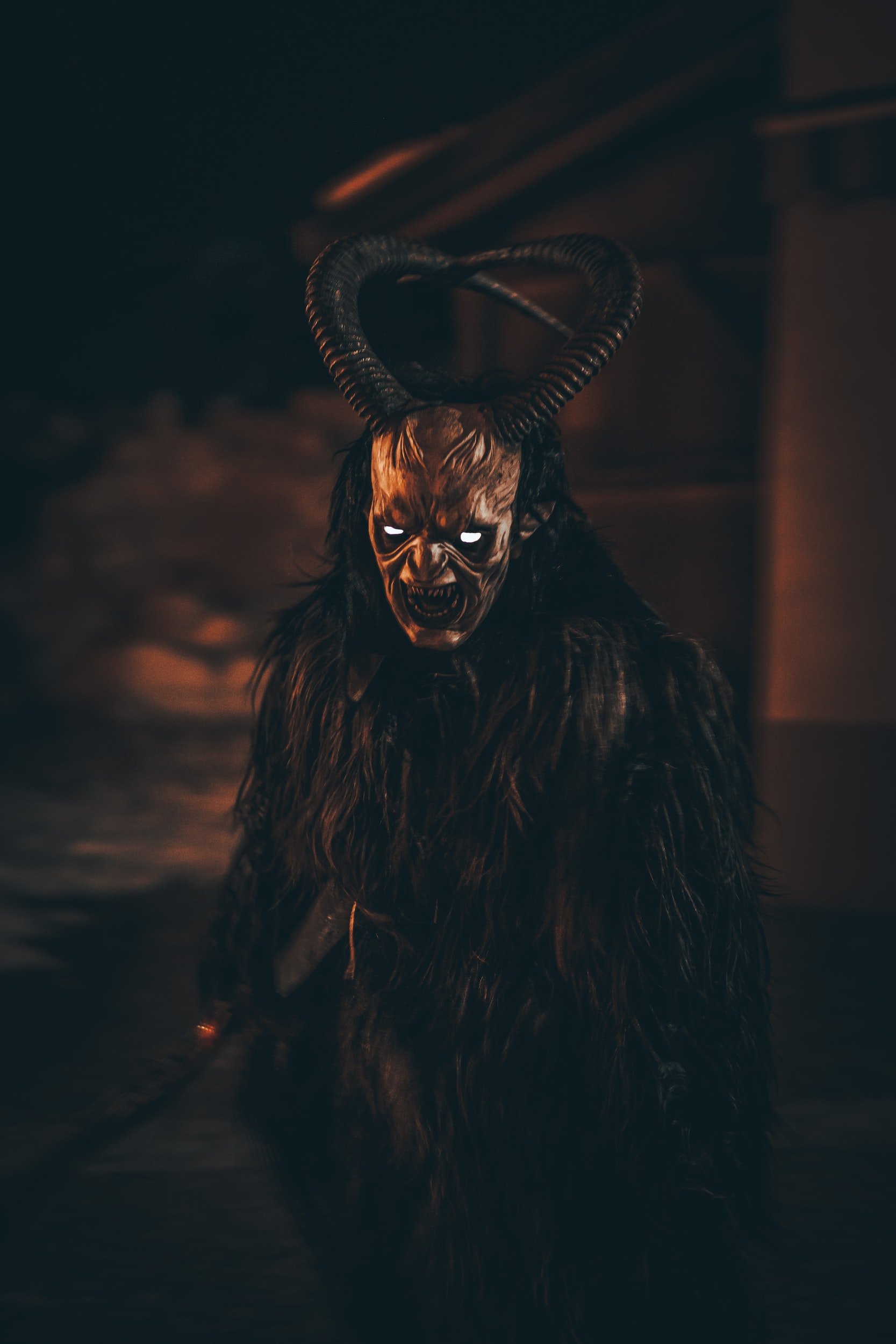
During the Christmas season, every young boy and girl awaits their presents and gifts with eagerness, hoping for Santa to make their way to their homes. The saying, you better watch out, you better not cry, you better not pout is the official song for Santa Claus as he is checking his list for all the good boys and girls. But for those who are naughty children, the invention of the famed horned goat Krampus who works together with St. Nick.

NO. 2
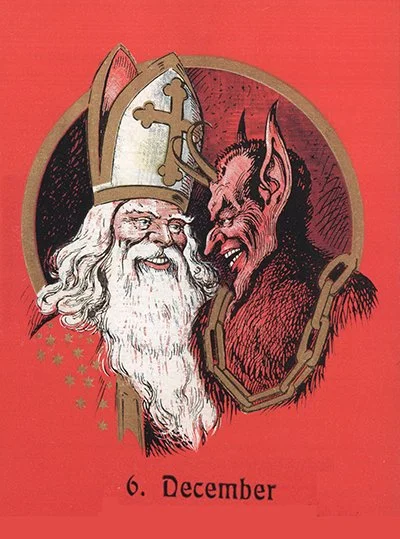
Created in Eastern European folklore, Krampus, meaning ‘claw’, is depicted as a horned, half-demon like monster who terrorizes naughty children, hitting them and beating them with whips, other versions having him with chains, sometimes shaking them to scare the children, equipped with a sack or a basket strapped to his back, to cart off the children chosen to be either eaten or dragged to Hell. He even has a holiday dedicated just to him, celebrated in Germany and now, because of the film, in America as well, called Krampusnacht, or Krampus Night, on December 6. In this long and very funny tradition, spectators dressed up as Krampus appears in the streets, visiting homes and business, along with his devilish accomplices, evil elves and imps, the total anthesis of Santa Claus, who help Krampus scare people and onlookers in the streets.

NO. 3
Because of the resurgence of the celebration of Krampus in the late 19th century, including popular greeting cards with his image and funny rhymes and poems, not to mention the many horror movies or TV shows in North America, gaining traction and popularity every time Christmas comes around. Or maybe it’s because of the intense, heavy commercialization around Christmas time, meant for family and friends. So, here’s the question, do you celebrate Krampus, or Christmas as a whole, or do you think he’s just a myth better left to the children?