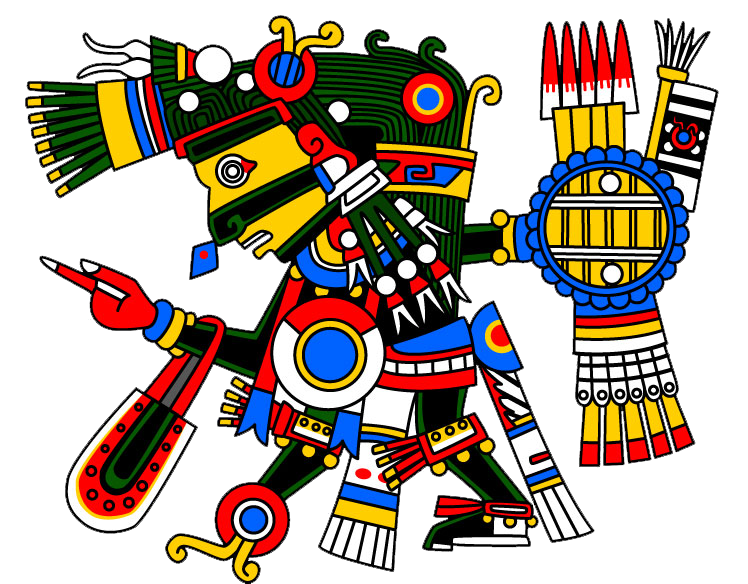
Tezcatlipoca, or 'One Leg'
NO. 1
Tezcatlipoca is the god of the night sky, hurricanes, obsidian, conflict, and providence. When depicted, he usually wore a talisman with a disk worn as a chest pectoral. While depicted with black and yellow stripes painted across his face, he is usually shown with his left foot replaced with an obsidian mirror, bone, or snake, as it was lost to the sea monster Cipactli in the mythos. In the Aztec religion, he was the central deity. In Aztec or Mesoamerican folklore, he and other gods could shapeshift, and he was no different as his counterpart was the illusive but powerful jaguar, which is why he is known as the jaguar god.

NO. 2
This figure is extremely popular, worshipped by the Mayan and Olmec communities. His name in the Mesoamerican language means ‘Smoking Mirror.’ This deity has numerous epithet’s which allude to different characteristics, like Ipalnemoani ("He by Whom We Live"), and Necoc Yaotl ("Enemy of Both Sides"), and Tioque Nahuaque (‘Lord of the Near and the Night’), etc. His power to omnipresence was more a connection that extended far beyond obsidian, since ritual bloodletting and human sacrifice was conducted with obsidian. Apart from being a creator god, he was also a trickster and ruled over the modern Aztec pantheon.
NO. 3
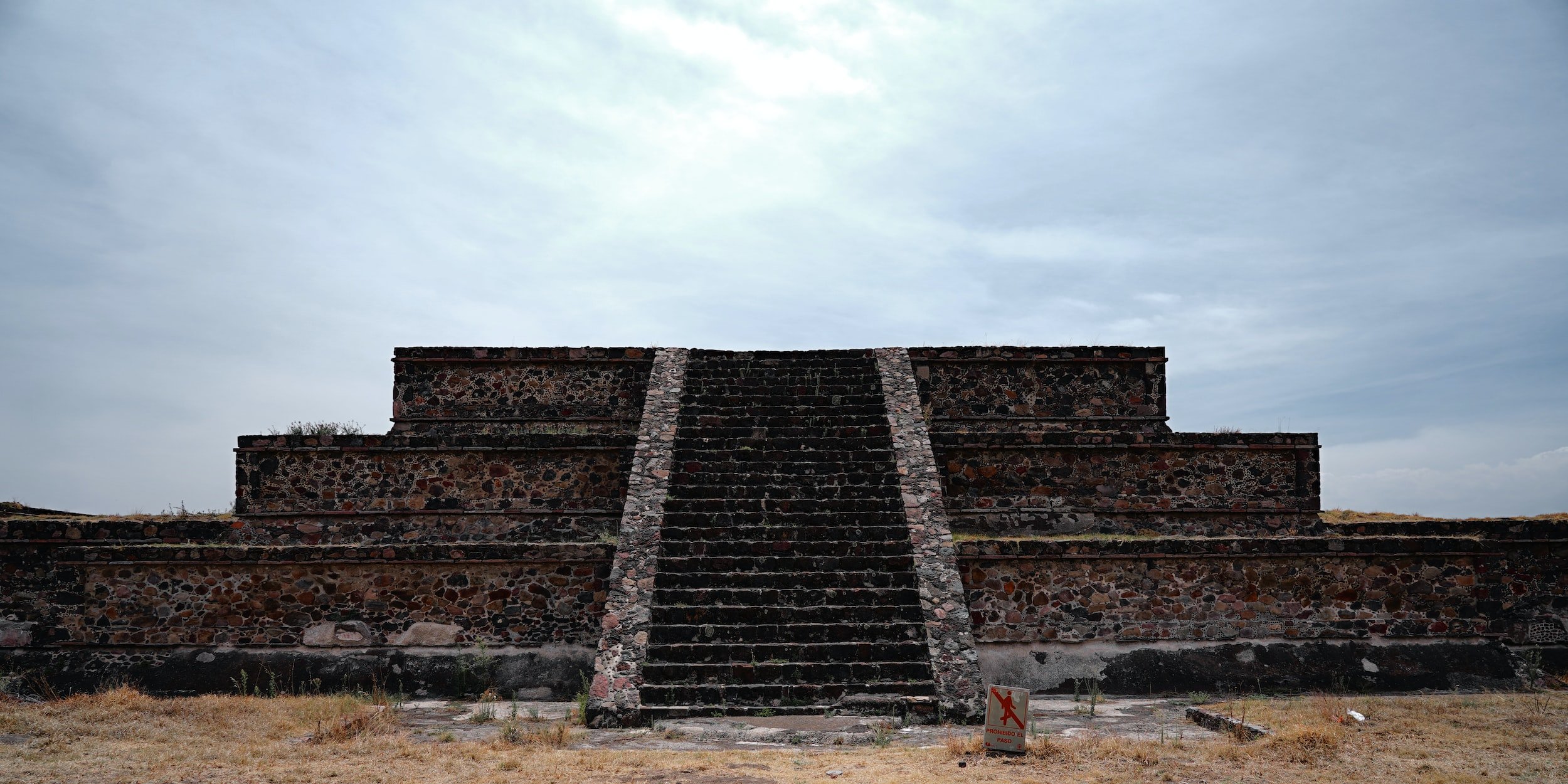
Tezcatlipoca, according to Aztec mythology, was born to the primordial creator deities Ometecuhtli and Omecihuatl, and had four siblings; one of whom, Quetzalcoatl, the god of the wind, patron of priests, and inventor of calendars and books; he was known as the Serpent Feathered god. The brothers feuded as much as they worked together, working towards the same goal but sometimes in opposition towards each other. After being born, this deity spent over 600 years for his youngest brother Huitzilopochtli to grow flesh before Tezcatlipoca and Quetzalcoatl, together, made the world. Before the world was made, the only thing that was technically alive were a few gods, a massive ocean and the sea monster, Cipactli, which Tezcatlipoca successfully lured away and killed by using his foot as bait. Both brothers were able to create the world on the sea monster’s body.

The tale of the Kuchisake-onna
The tale of the Kuchisake-onna dates back to the 17th to 19th century in Japan and is described as a woman mutilated, with her mouth split from ear to ear. The tale has various origins, claiming that she either was the adulterous wife or mistress of a great samurai that he became so outraged at hearing his wife was unfaithful that he slashed his wife’s mouth from ear to ear as punishment. Other tales claimed that she was once a great beauty and a jealous woman cut her; or that she had a dental procedure gone wrong. Either way, she died of the blood loss, and she came back as a malevolent spirit who appears to you and asks, ‘Am I pretty?’ Or, ‘Am I beautiful.’
She appears on a usually foggy night to a stranger, according to Kuchisake-Onna | Creepypasta Wiki | Fandom, haunting different places, wearing a mask that hides her face. She will stop a person and ask you directly, ‘‘Do you think I’m beautiful?’’ The person will usually answer, ‘‘Yes,’’ causing her to lower the mask to show off the hideous bloodied scars and ask, ‘‘What about now?’’ If you say no, scissors will appear in her hand, and she will slash you to death. If you still say yes, she will give you the same markings that show on her face, leaving you with the same fate. ‘‘There are several ways to prevent this terrible fate. One, to confuse Kuchisake-Onna by saying: "You are average." Two, present her with hard amber candy, which she'll take much delight in and let you go. Three, say ‘Pomade’ six times, and she will flee. Four, ask her if you are beautiful, which will confuse her hopefully long enough to escape. But be wary. She is said to be incredibly fast and will be unlikely to stop.‘‘
So if you see a strange woman on the street wearing a mask to stop you and ask the words, ‘Am I pretty/Do you think I’m beautiful?’’ I suggest that you adopt an NYC attitude (I can say this, I am from New York) and drop some candies before walking or sprinting away!
the Legend of the Holy Grail
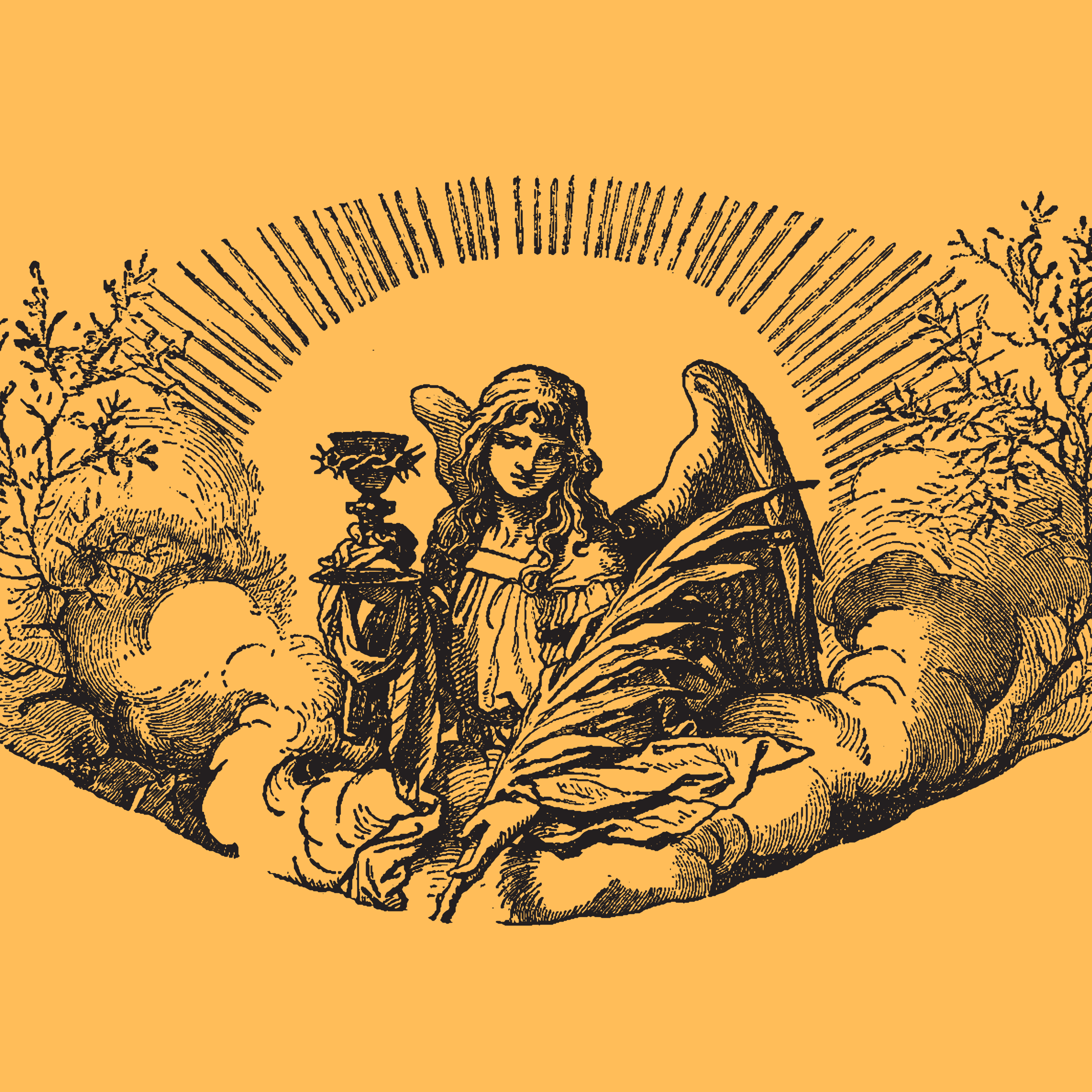
The Grail legend is one of the most popular and reiterated myths told around the world. The legend is basically connected to the King Arthur tales as well, as the king and his noble knights embark on a heroic quest in search for the ‘Grail’, a shining cup claimed to be the sustainer of all life or a mysterious vessel that provides sustenance, which is guarded in a castle that is difficult to find.

The first Grail legend first appears in an unfinished romance called Perceval ou Le conte du Graal by Chretien de Troyes dated to about 1190. The basic outline would be the mysterious vessel being guarded in the castle, and the owner of that castle is sickly or unable to care for it; the surrounding land would almost always be barren, and the owner can only be restored if a brave knight finds the castle, and after seeing a ‘mysterious procession’, asks a certain question. If he fails at this task, everything will remain as before, and the search must begin again. After many adventures, the hero knight returns to the castle and asks the correct question which, hereby cures the king and restores the land. After, the knight succeeds the wounded monarch and becomes king instead, and becomes the guardian of the castle and its contents. The Crusades were the backdrop of this awesome tale, and the fall of Jerusalem occurred in 1187 just before the legend appeared as a literary motif, and Chretien’s romance was written at the behest of his patron, the crusader knight, Count Philip of Flanders.

‘‘In Chretien’s romance, the knight Perceval sees the grail during a feast at a mysterious castle controlled by the Fisher King, a lame man whom he had met before. Chretien calls the object simply ‘un graal’, and its appearance is just one of the unusual events which take place during the feast. Indeed at this time, Perceval is also shown a broken sword that must be mended. The two objects together, sword and grail, are symbols of Perceval’s development as a true knight. Chretien died before he could finish the romance, but the story was completed by other writers. The Continuations, as they are referred to in critical literature, expand several themes and the grail gradually acquires a more ‘sacramental’ character. The First Continuation is also incomplete and the author is unknown, but it can be dated before the year 1200. Besides Perceval, Gawain also has a grail adventure (the womanizing Gawain is the type of the perfect worldly knight and regularly forms a contrast to Perceval in these romances). During a procession which Gwain sees, ‘the rich grail’ (as it is now called) floats about the hall and provides food for all; the bleeding lance is later identified as the Lance of Longinus (the spear used by Longinus to pierce Christ’s side at the Crucifixion) and the broken sword belonging to a dead knight who is laid out of the bier. He who mends the sword will know the secrets of the grail castle (thereby strengthening the link between sword and grail.) Other medieval writers took up this theme; Burgandian poet, Robert de Boron, also wrote, at the behest of a crusader patron, the Lord of Montfacon, produced three romances, Joseph d’ Arimathie, Merlin, and Perceval. All these romances treat the grail theme, even into the context of Christ’ passion.’’
The Holy Grail legends are not only entertaining, with valiant heroes and dangerous but awesome quests, but they also speak of patience and knowledge that these heroes gain along the way. Perceval and Lancelot aren’t heroes because they are searching for a beguiled, golden chalice, but for greater understanding of themselves. These legends have been written and re-written for ages, and even in the modern years, people are still fascinated by the great quest for the Holy Grail. I know I am.