The tale of Lilith
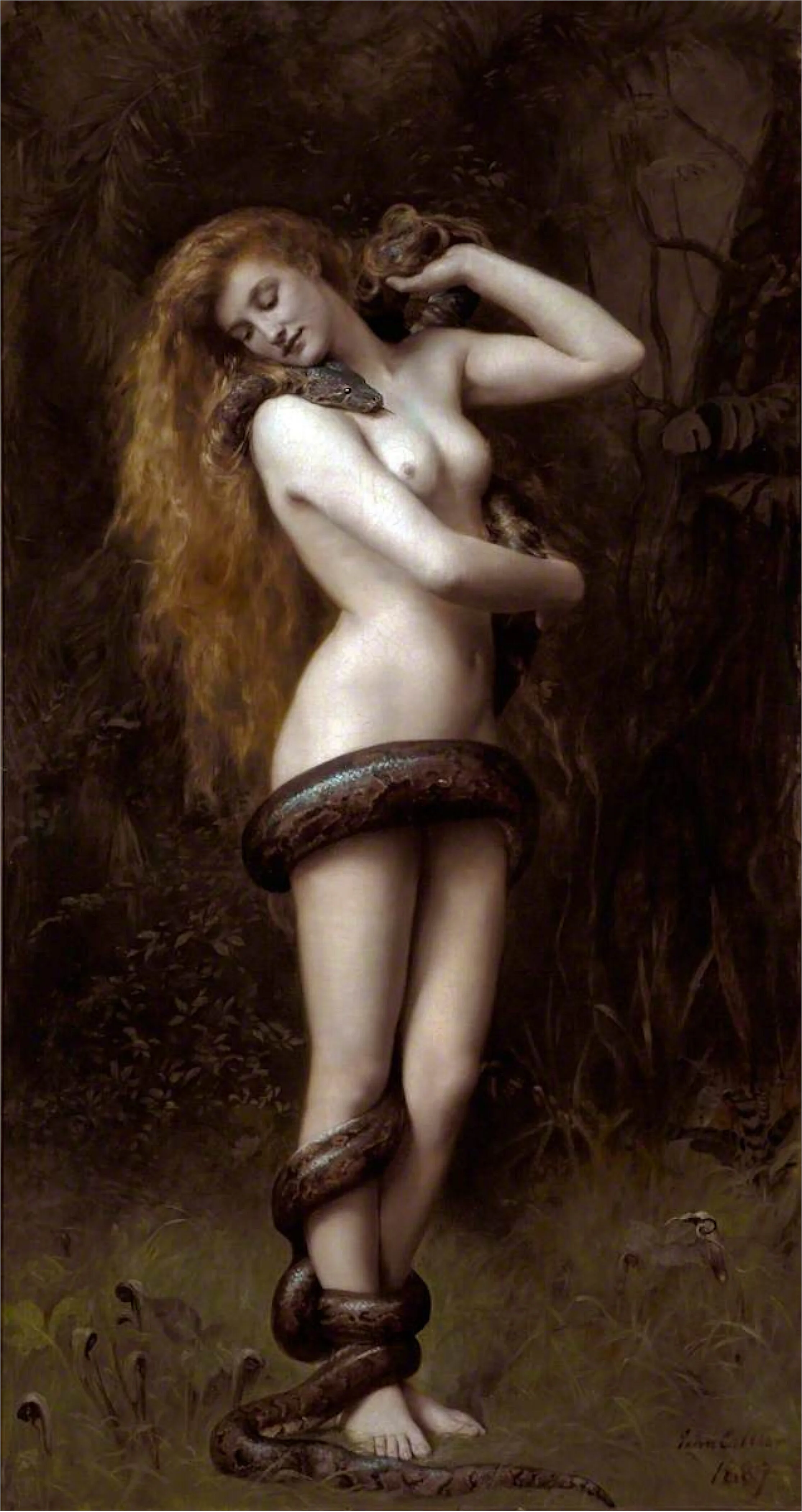
There are a lot of accounts about the ‘demon-ness Lilith’, and her origin story leads a lot to be desired. Apparently, she was the first wife of Adam in Sumerian folklore, and because she did not want to be under Adam’s control any longer, and became, depending on which account you read, a vampire, a demon-ess, or a harlot, or all three, for not wanting to be apart of ‘God’s plan.’ The Sumerian accounts, taken from the 3rd millennium, were the first accounts of what happened to her before the biblical Hebrews surmised of her.
She is described as a ‘beautiful maiden’ but was believed to be a harlot, who once took a lover, offered no satisfaction to him, nor would she ever let him go. According to the Sumerian epic, dating from around 2000 B.C, ‘Gilgamesh and the Huluppu Tree’ and was ‘‘believed to appear to have human eyes. She is slender, well-shaped, beautiful, and nude, with wings, and owl feet. She stands erect on two reclining lions which are turned away from each other and are flanked by owls. On her head, she wears a cap embellished by several pairs of horns. In her hand, she holds a ring-and-rod combination. Evidently, this is no longer a lowly she-demon, but a goddess who tames wild beasts, and as shown by the owls on the reliefs, rules by night.’’
Apparently, the earliest mention of the ‘she-demon, whose name is similar to that of Lilith is found in the Sumerian king list which dates from around 2400 B.C. ‘‘It states, that the father of the great Gilgamesh was a Lilu-demon. The Lilu was one of four demons belonging to an incubi-succubae class. The other three were Lilitu (Lilith), a she-demon; Ardat Lili, or her handmaiden, who visited men in the night and bore them ghostly children. There is also the tale of the Irdu Lili, who was her male counterpart and would visit women and beget children by them. Originally these were storm demons, but because of a mistaken etymology, they came to be regarded as night demons. On one brief reference to Lilith in the Bible, Isaiah 34:14, in describing Yahweh’s (God) day of vengeance, says: The wild cat shall meet with the jackals, And the satyr shall cry to to his fellow, Yea, Lilith shall repose there, And find her a place of rest.’’
The Great Goddesses
NO. 1
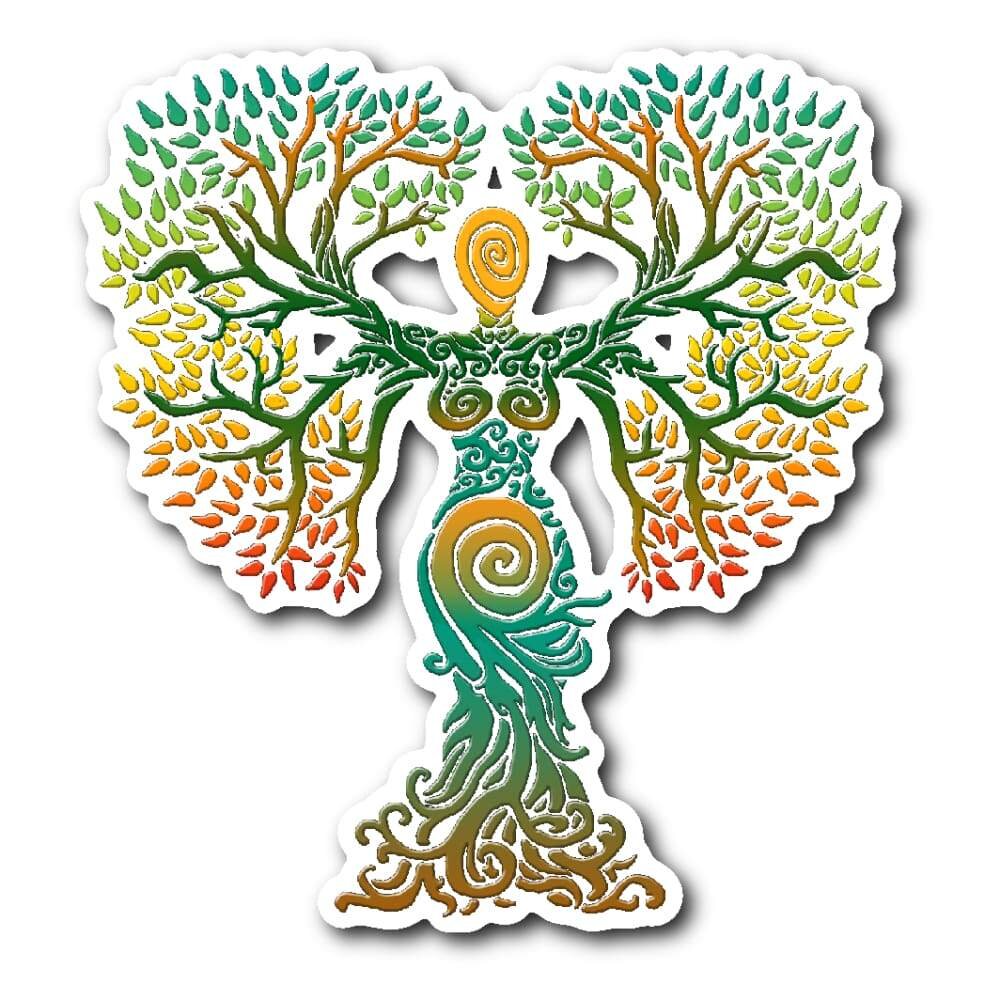
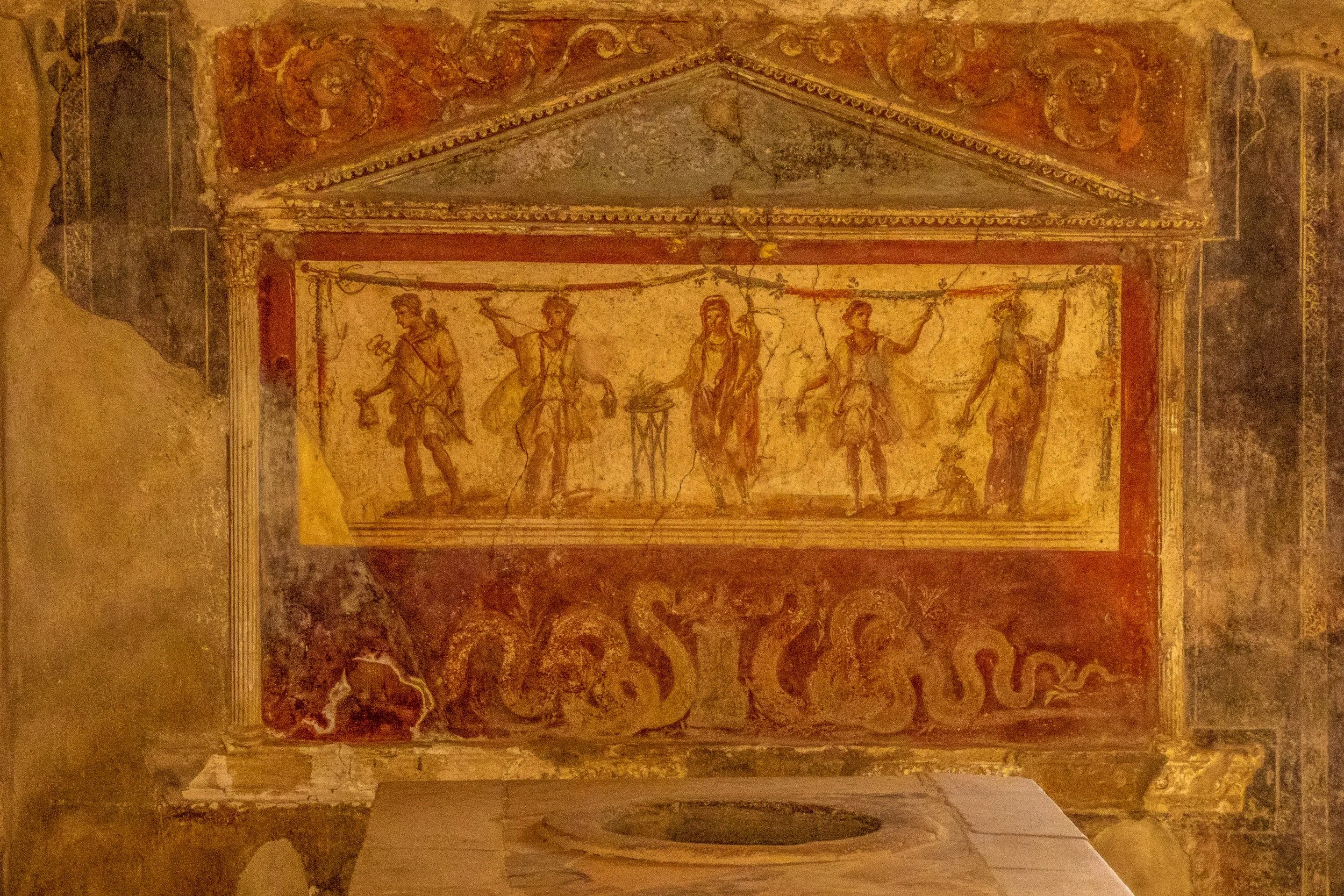
Polytheism is the belief in multiple gods, the entertainment of monsters, heroes, and spirits, and the worship of nature. There are all sorts of gods responsible for all sorts of natural, magical, and human qualities and aspects, like fertility goddesses. Fertility goddesses are the complete representation of the fertility of women in general and of the land they live upon.
NO.2
The original fertility goddess humans worshiped was the ‘‘Great Mother’’ or ‘Mother Earth’. These female archetypes are usually mothers of other deities. They manifest many different aspects of the female and the natural world. ‘‘The Goddess is the power of intelligent embodied love that is the ground of all beings. The earth is the body of the Goddess. All beings are interdependent in the web of life. Nature is intelligent, alive, and aware. As part of nature, human beings are relational, embodied, and interdependent. The basics of ethics are the feeling of deep connection to all people and all beings in the web of life. The symbols and rituals of the Goddess religion bring these values to consciousness and help us build communities in which we can create a more just, peaceful, and harmonious world.’’

NO. 3
Every culture before Christianity, worshipped polytheism and essentially the Great Goddess which is connected to all nature and therefore, all life. Worshipped as the giver of life, fertility, and prosperity, she is still celebrated today in many cultures around the world.