Thoth's Prophecy of Egypt
The fall of Egypt. The Egyptian god Thoth, of magic, wisdom, science, and intellect tells the divine servant, Asclepius, of the nature of the cosmos, of God, and of the cycle between life and death.
Who was Thoth? Thoth was the Egyptian god of wisdom and intellect, the creator of writing and hieroglyphics, science and magic, and is the representative of the gods. He is depicted human-like, but with the head of a baboon, his most sacred animal. Though Thoth is interesting to research, we’re more concerned with his prophecy for Egypt, located in the Hermetic texts. Every god has slight differences but overwhelming similarities. Hermes, the god of flight, was the Greek equivalent to Thoth.
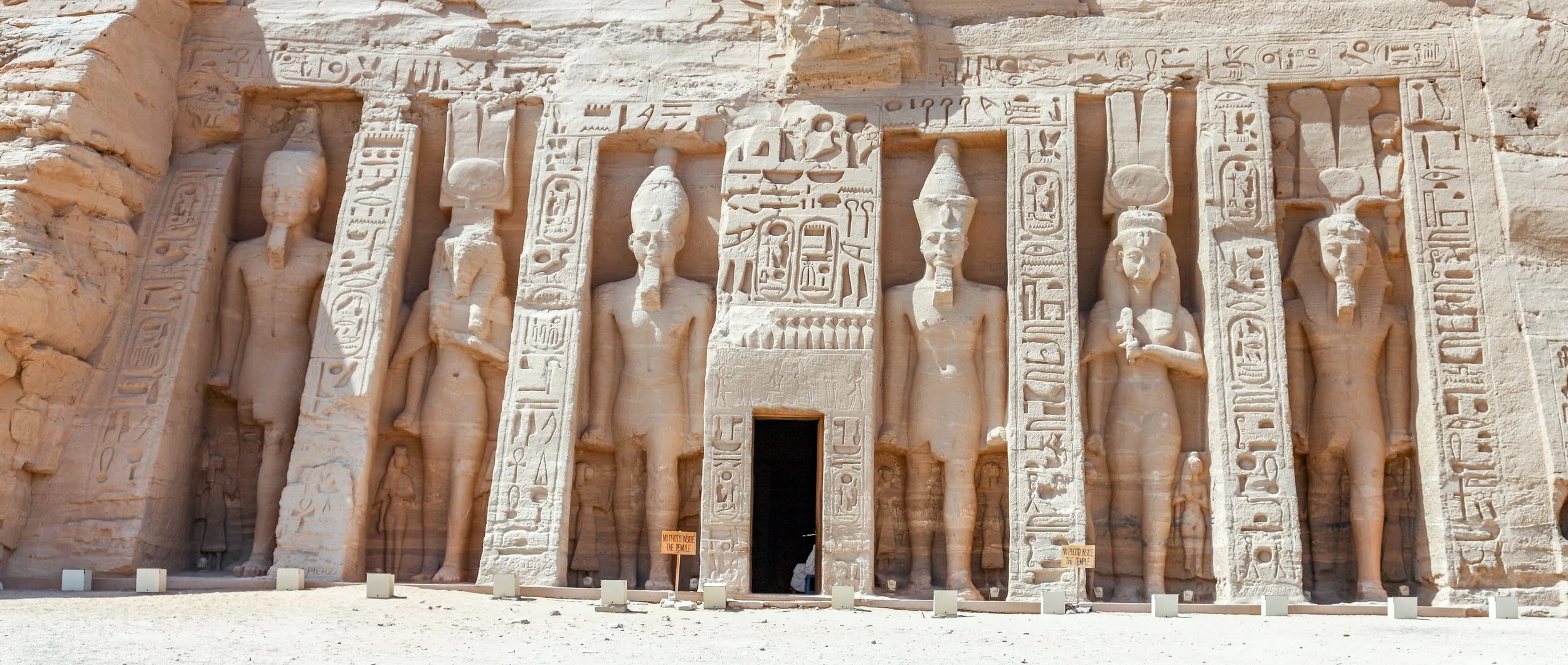
What were the Hermetic texts? They were the philosophical texts dedicated to the Hellenistic figure Hermes Trismegistus, found in pagan circles like Syria and Mesopotamia who never had to endure the rise of Christian Fascist suppression, which escaped Muslim persecution by the artful device of inventing or becoming the religious group known as the Sabians, named in the Koran, hence deserving of respect, as Sabians mean ‘people of the book’. Eventually, the documents ended up in Constinapole. ‘‘The work is basically a dialogue in question and answer form. The two chief interlocutors are the god Thoth and a disciple ‘who wished to know.’ Another God, seemingly Osiris, also speaks with a disciple. This literary frame might suggest a comparison with the Greek Hermetic writings, which are also teaching dialogues between Hermes-Thoth and disciples. This comparison would appear all the more legitimate than in the Demotic text, Thoth is once called wr wr wr, ‘the thrice great one’. ‘‘
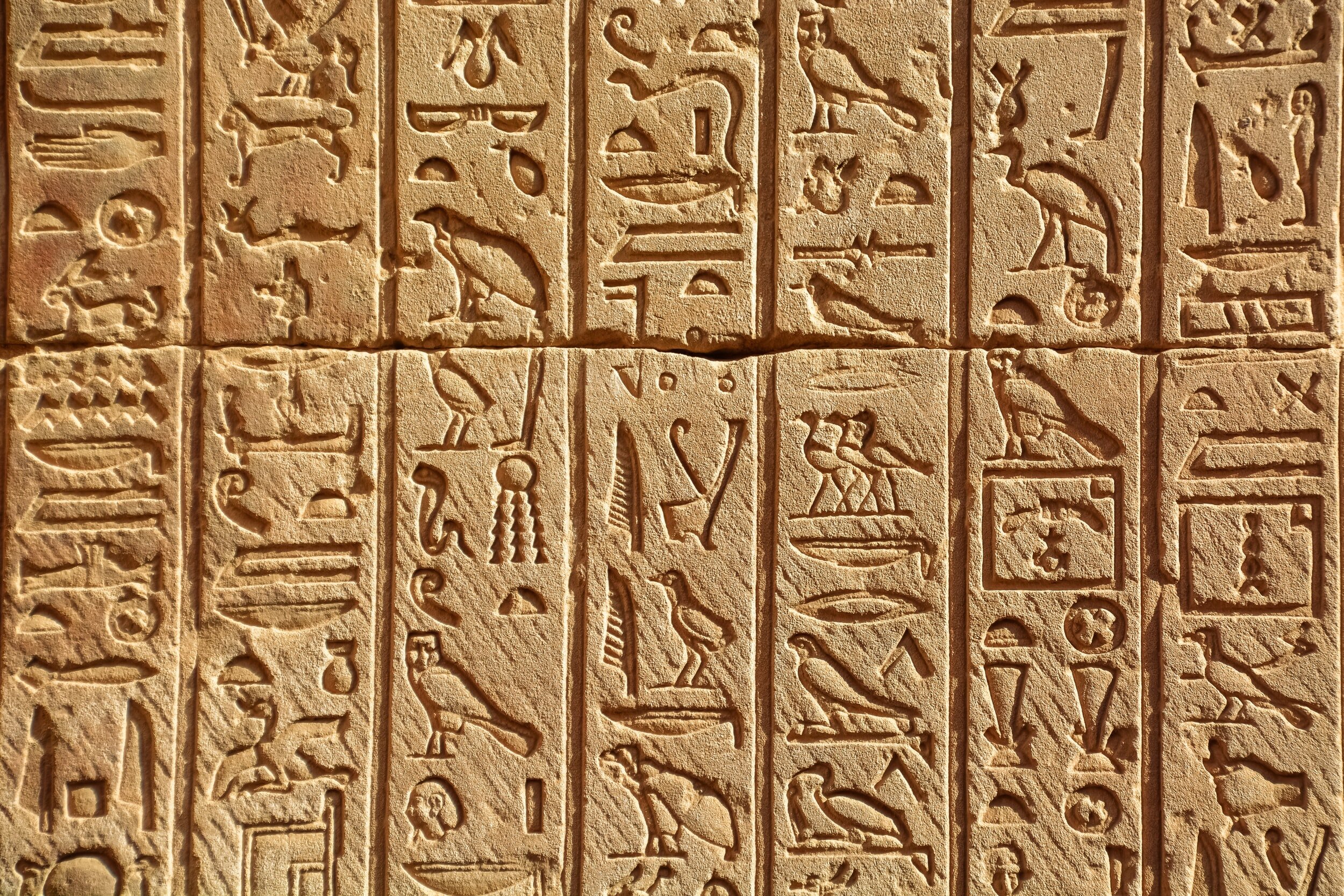
Thoth’s prophecy is a description of the nature behind cosmology, on the nature of God, the cycles of life, and the nature of the world. Every culture has what is commonly expressed as philosophical teachings; sometimes they are shared, like Greece and Egypt. Except this Egyptian content was created more than 2,500 years before Greece’s literature on philosophy. ‘‘The Hermetica as a whole is plainly a product of Greek culture in Egypt. The famous case from Edfu of Thoth, the Egyptian Hermes, introducing himself and establishing his direct descendent from the supreme god Ra. In short, the occurrence of the ‘I am..’ formula in a text from Egypt is immediately suggestive of native religious traditions.’’ But what does the prophecy entail? Why the doom of Egypt of course. An excerpt from Acclepius III spins the tale of the fall of the city, of the people, of the gods, and of their empire.
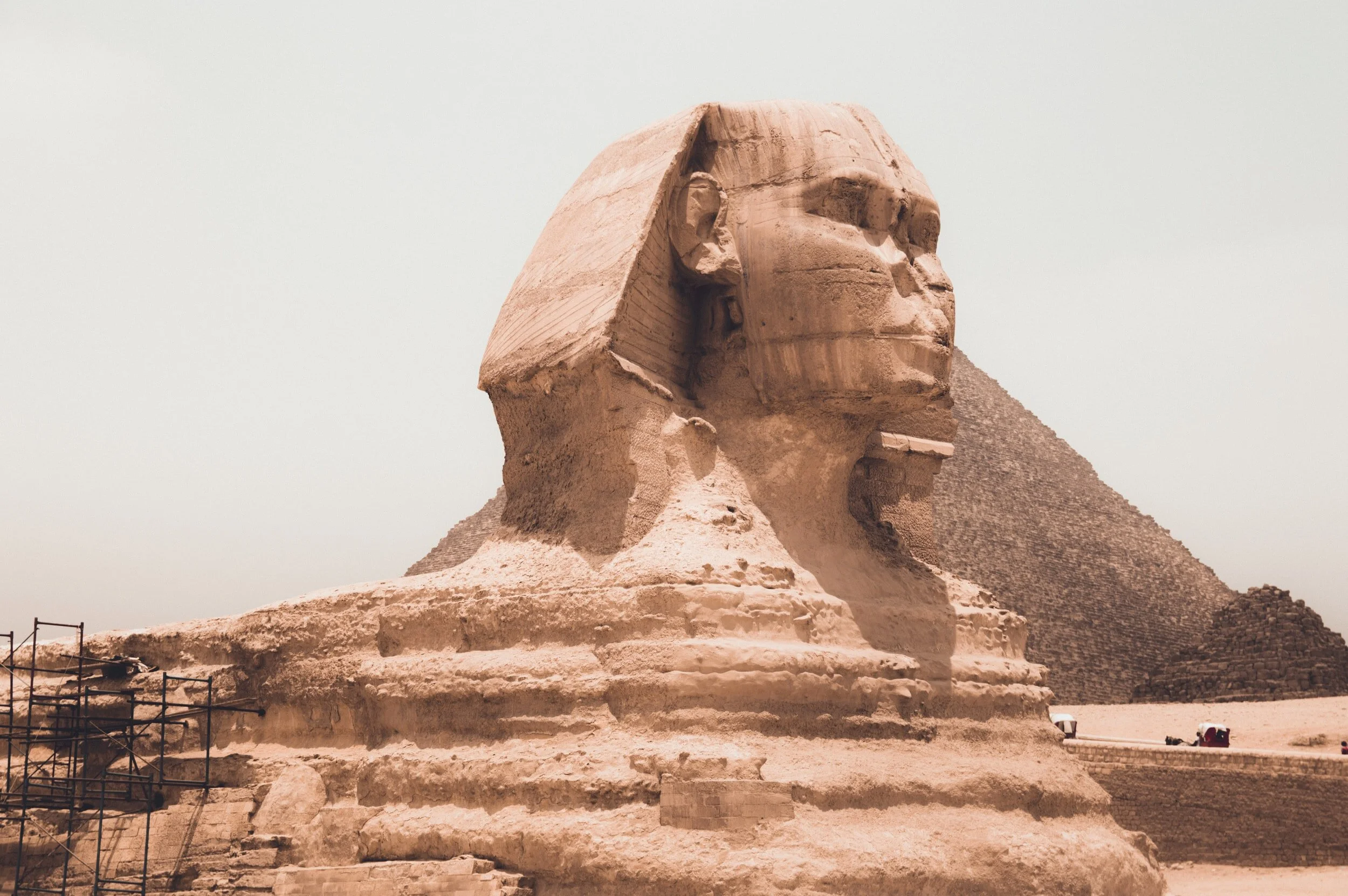
‘‘Nay, it should rather be said that the whole Kosmos dwells in this our land as in its sanctuary. And yet, since it is fitting that wise men should have knowledge of all events before they come to pass, you must not be left in ignorance of this: there will come a time when it will be seen that in vain have the Egyptians honored the deity with heartfelt piety and assiduous service; and all our holy worship will be found bootless and ineffectual. For the gods will return from earth to heaven; Egypt will be forsaken, and the land which was once the home of religion will be left desolate, bereft of the presence of its deities. This land and region will be filled with foreigners; not only will men neglect the service of the gods, but ...; and Egypt will be occupied by Scythians or Indians or by some such race from the barbarian countries thereabout. In that day will our most holy land, this land of shrines and temples, be filled with funerals and corpses. To thee, most holy Nile, I cry, to thee I foretell that which shall be; swollen with torrents of blood, thou wilt rise to the level of thy banks, and thy sacred waves will be not only stained but utterly fouled with gore. Do you weep at this, Asclepius? There is worse to come; Egypt herself will have yet more to suffer.’’
The Origins of the date of Christmas
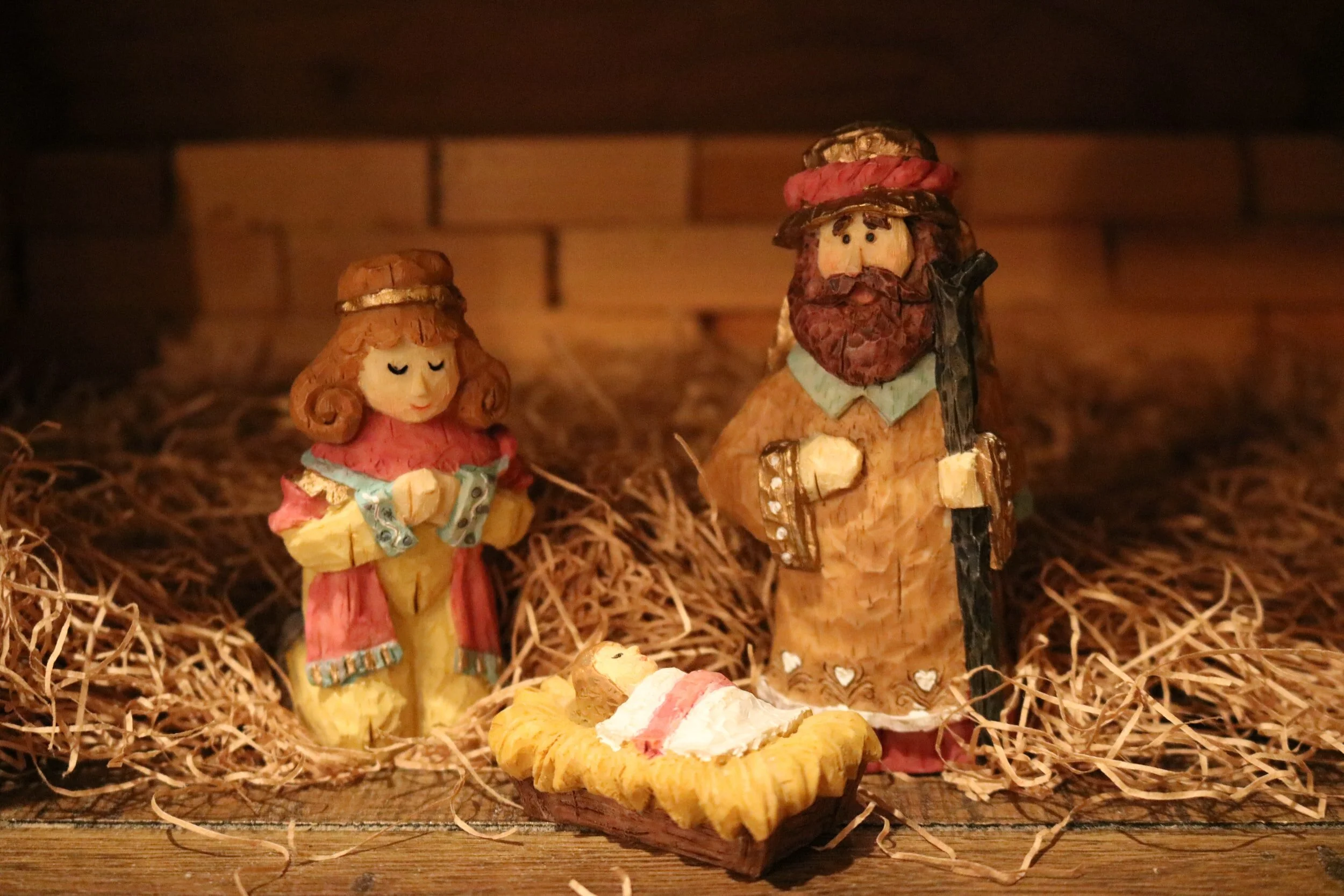
Yesterday was Christmas, so Merry Christmas everyone! This is the holiday to be surrounded by family and friends and to look back on how far you’ve come, especially in this hellish year. Every year we celebrate this festive holiday on the 25th of December, but I’m curious, where did the celebration of Christmas originate? How did it become decided that this was when we would celebrate Christmas?

It’s a valid question! It is a fact that liturgical tradition, no matter how lauded, is no longer seen in a reliable manner any longer. The skepticism comes from the sixteenth-century Reformation, which inspired Protestant and particular Calvinist scholars to attack the ecclesiastical calendar. ‘‘As recent research has shown, it is the context of these early modern inquiries into the history of the liturgical year, which were often permeated by inter-confessional polemic, that the two basic approaches to understanding Christmas’ origins that continue to characterize the twenty-first-century debate on the subject first germinated. For lack of more appropriate labels, these two approaches may be referred to as ‘History of Religions Theory’ (henceforth: HRT) and the ‘Calculation Theory’ (CT). Roughly speaking, proponents of HRT interpret Christmas as a Christianized version or substitute for pagan celebrations that took place on the same date as the Roman Calendar, the most widely cited example being the birthday of Sol Invictus on December 25. By contrast, adherents to CT find evidence that the birth of Christ was determined independently, by resource to certain types of chronological speculation.’’
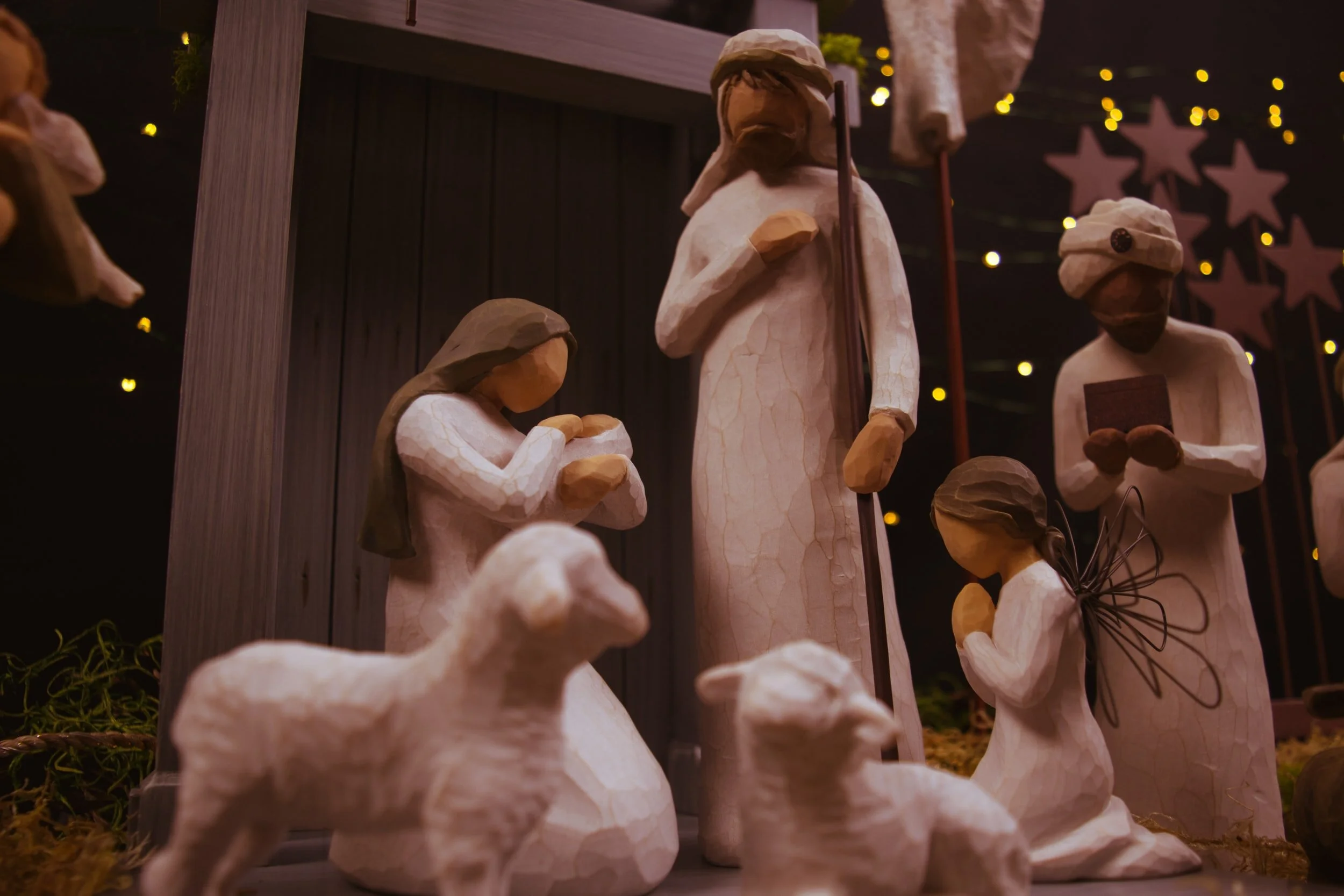
It is well known that a lot of Christianity is used to subvert or covert most of the old world’s celebrations. The holidays, like Halloween, Easter, Spring, and Christmas were all re-used from pagan traditions. German philologist Herman Usener (1834-1905) was one of the pioneers in the modern academic study of religion. ‘‘According to his view, the celebration of Christ’s birth in midwinter was essentially the heritage of a syncretistic sun cult, which already bore traces of an incipient ‘pagan’ monotheism. The central turning point in this story comes from the year 274 CE when the emperor Aurelian allegedly elevated the original sun god Sol Invictus to the supreme deity of the Roman empire and established his cult on December 25. Threatened by the persistent popularity of these rituals among newly baptized Christians, the early Church was moved to incorporate traces of the cult into its own liturgy and thus re-interpreted the annual ‘birth’ of the sun at the winter solstice as the birth festival of Christ.’’