Santa Muerte
The history and celebration of Santa Muerte!
NO. 1
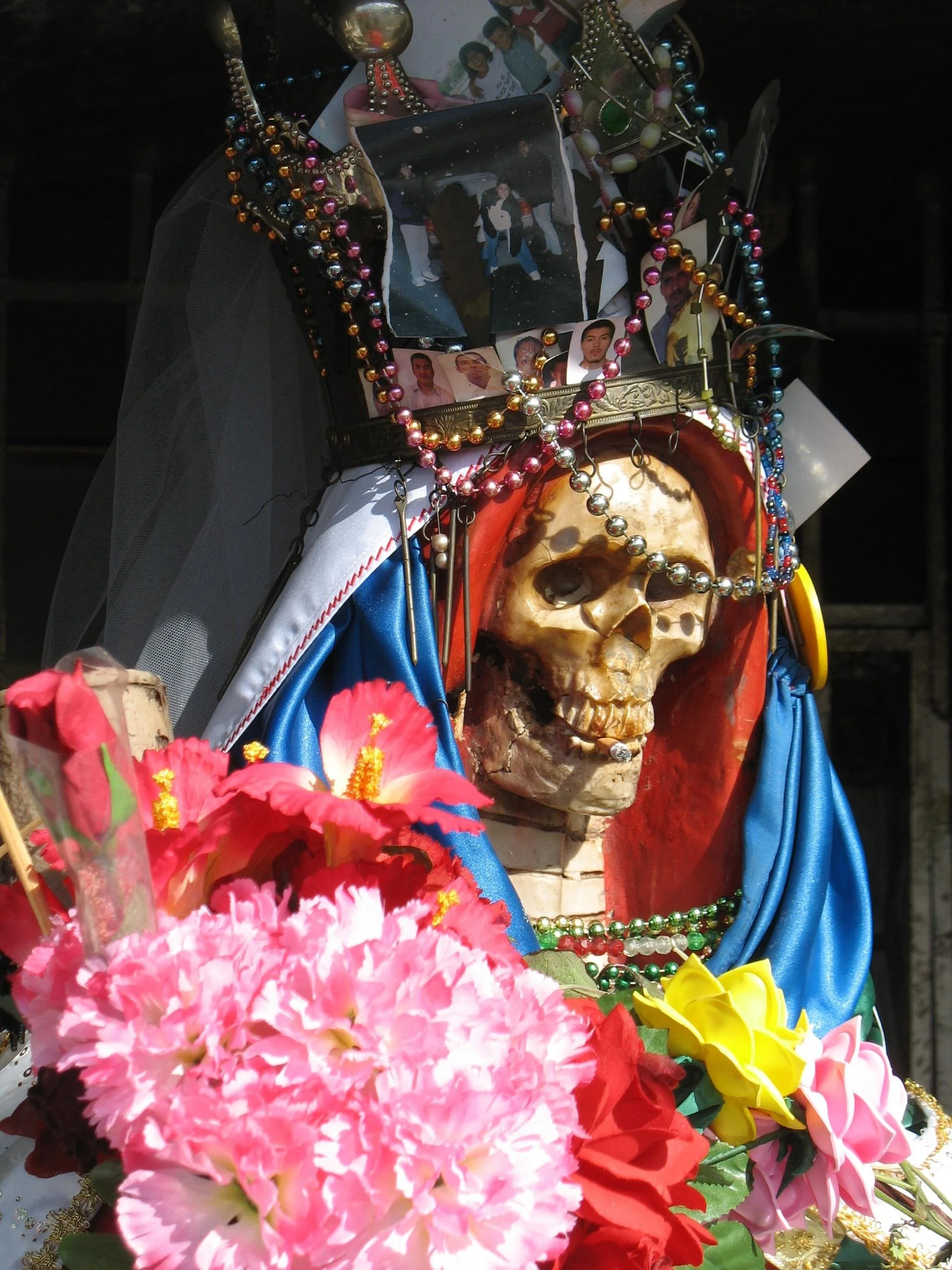
A skeletal figure dressed in robes or dressed in the virgin’s shroud, Santa Muerte is both the Grim Reap-ress and the Angel of Mercy. She is the personification of death, and her full title, Nuestra Señora de la Santa Muerte as she is well known as, brings an ambiguous and malleable identity that is associated with healing, protection, and safe delivery to the afterlife by her devotees, as her following, especially in 21st century is being celebrated all over South America, but especially Mexico City to the United States and Canada.
NO. 2
Even though Christian missionaries and leaders condemned the religion, Santa Muerte ‘‘offers hope to a society threatened with hopelessness. In the colorful barrios of Mexican culture, the figure of Death is ubiquitous. With the lure and dangers of narco-culture, the violence among competing youth gangs, the haunting realities of an economy in collapse, and the gravel fight to survive in a Tepito marketplace; Mexicans face the reality of death on a daily basis. Santa Muerte, the image of death, protects them from uncertainties in their everyday lives. When Death is the only guarantee, it seems like Death is the only one to be trusted.’’ The worship of Santa Muerte began in the mid-20th century and was clandestine until the 1990s, were most prayers and other rites have been performed traditionally at home. Now in the 21st century, worship has become a more public thing. Santa Muerte has a male counterpart in the U.S, called the skeletal folk saints San La Muerte of Paraguay and Rey Pascual of Guatemala.
NO. 3
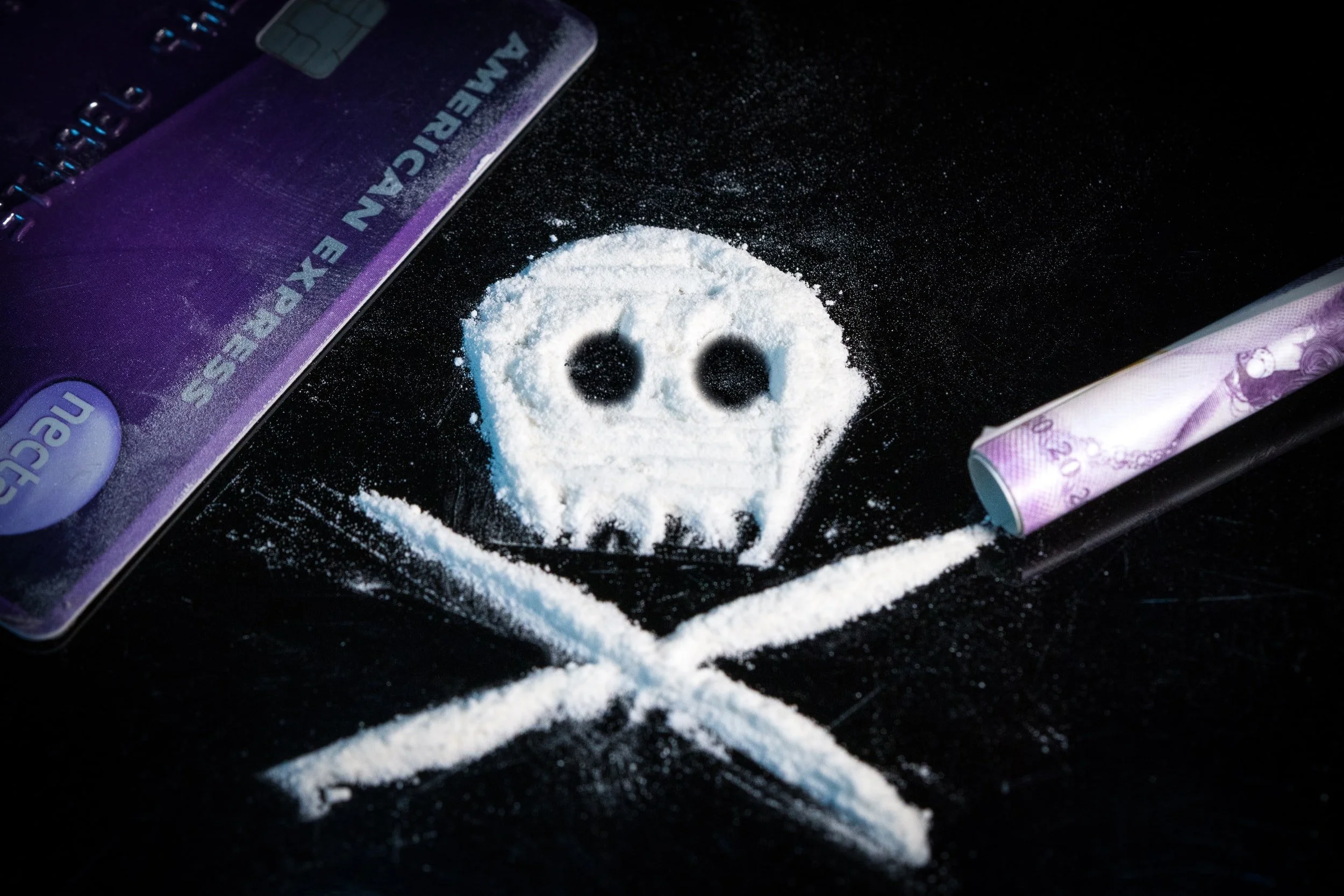
So, what caused the worship of Santa Muerte to become a massive, worldwide following? Drug violence, for one, and loss of faith in Christianity. ‘‘Former Mexican president Felipe Calderon’s declaration of war on the cartels in 2006 was received with praise by North American politicians, as in their view, it seemed that the Mexican government was finally taking a strong stand against the cartels and that there would be a swift resolution to the social problems associated with drug trafficking. This open war declared on the cartels resulted in an escalation of drug violence and forced several dramatic changes in the safety of Mexico and its already chaotic social scene. Military personnel, paramilitary groups, and the cartels have been fighting for control of the country and have created a state of panic in the border towns and beyond. The panic and violence in the north have begun to gradually make it’s way south and reach areas that were once ‘safe’. According to the BBC from 2006 to 2012, more than 50,000 individuals have died from drug-related violence. Amidst the drug-related instability, the once strong and influential Mexican Catholic Church has been losing credibility, support, and members. The loss of faith in the Catholic Church could be caused by many factors: general pessimism, individuals searching for other forms of faith, and the result of the church’s support for governing political parties.’’
NO. 4
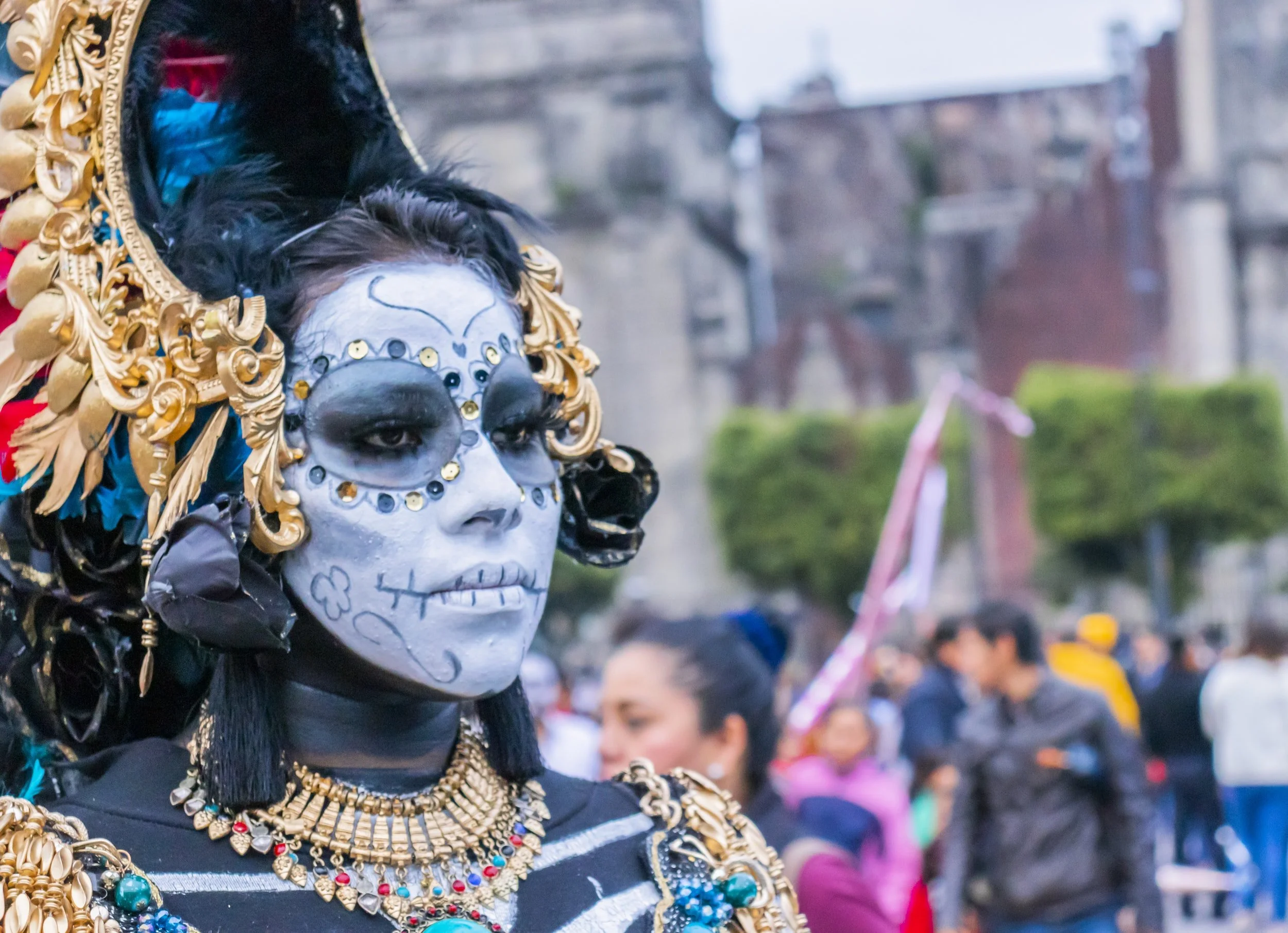
Who is Santa Muerte? Anthropologists and historians J. Katia Perdigon Castaneda and R. Andrew Chestnut agree that the veneration of Santa Muerte is a combination of Catholic imagery and rituals from Meso-American pre-Hispanic gods and rituals. There is a common list of names for the goddess, such as Mi Nina, (My little girl), La Nina Bonita (the Pretty Girl), La Madrina (the Godmother), and Mi Amor (My Love)—adoring names that tighten the relationship between devotee and saint. There are darker allegations like Senora de la Sombras (Lady of the Shadows) or La Negra (the Black Lady). There is also La Hermana Blanca (The White Sister) and Hermana de la Luz (Sister of the Light). She is celebrated on the Day of the Dead, November 1st and 2nd. better known as Dia De los Muertos.
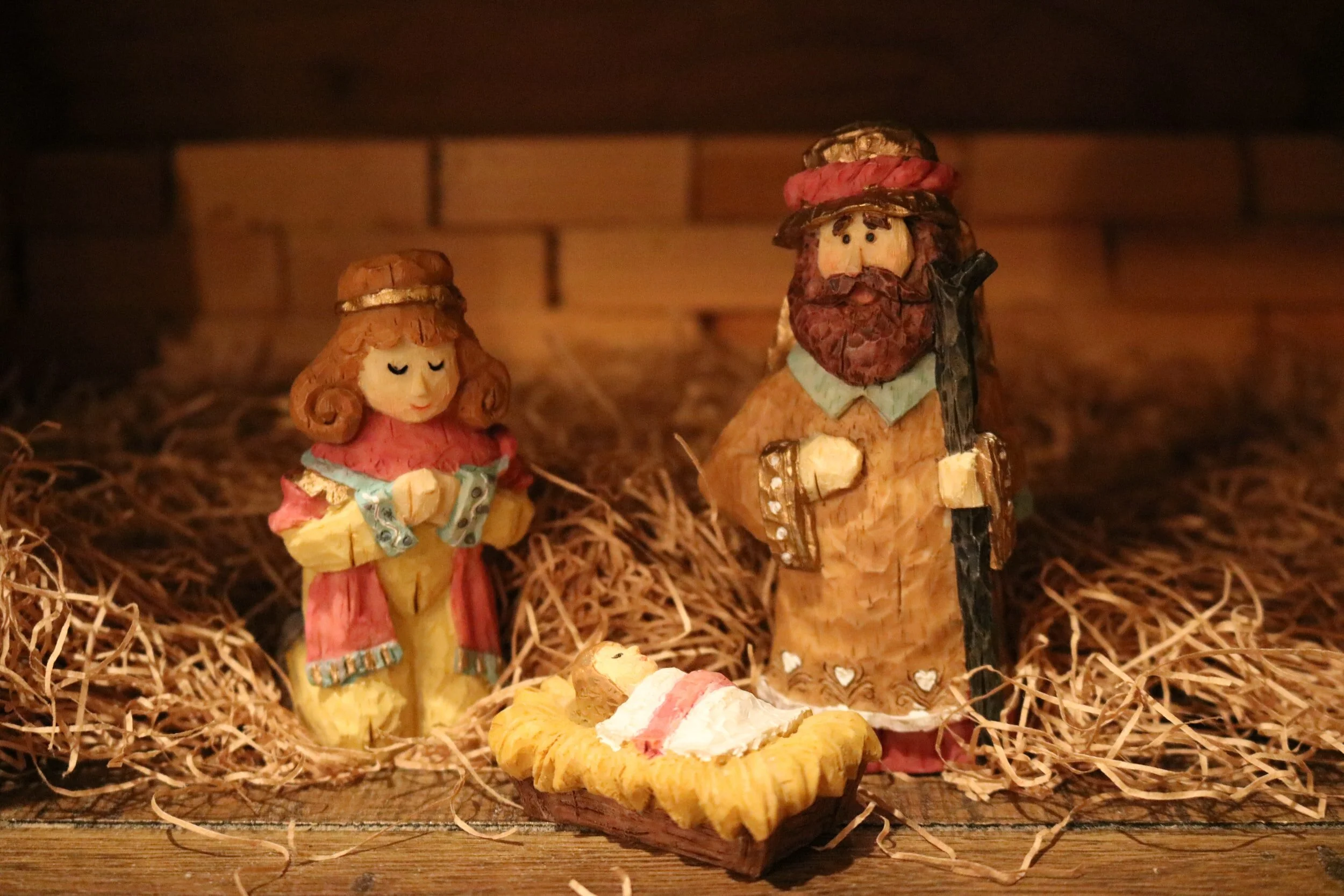
The Origins of the date of Christmas
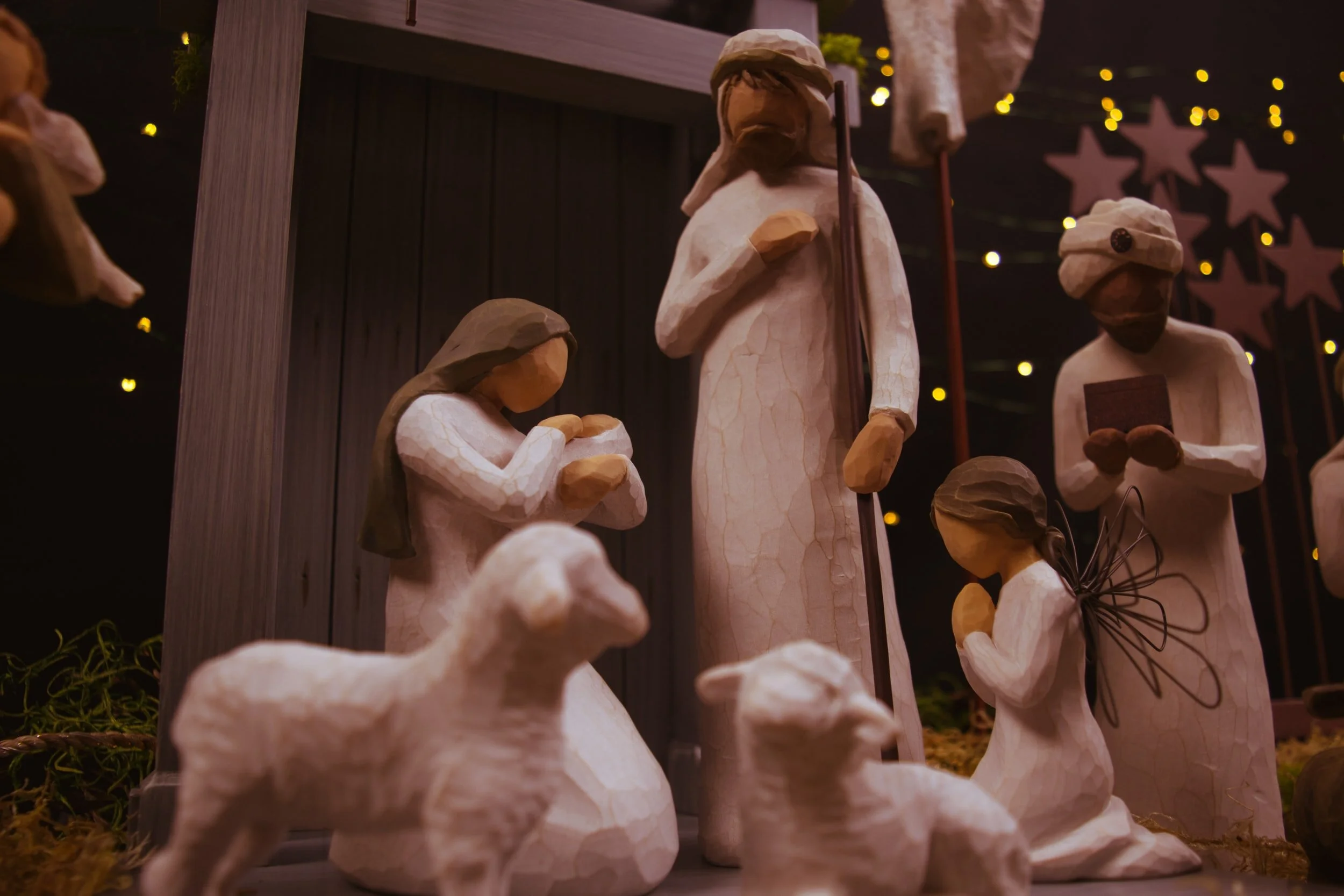
Yesterday was Christmas, so Merry Christmas everyone! This is the holiday to be surrounded by family and friends and to look back on how far you’ve come, especially in this hellish year. Every year we celebrate this festive holiday on the 25th of December, but I’m curious, where did the celebration of Christmas originate? How did it become decided that this was when we would celebrate Christmas?
It’s a valid question! It is a fact that liturgical tradition, no matter how lauded, is no longer seen in a reliable manner any longer. The skepticism comes from the sixteenth-century Reformation, which inspired Protestant and particular Calvinist scholars to attack the ecclesiastical calendar. ‘‘As recent research has shown, it is the context of these early modern inquiries into the history of the liturgical year, which were often permeated by inter-confessional polemic, that the two basic approaches to understanding Christmas’ origins that continue to characterize the twenty-first-century debate on the subject first germinated. For lack of more appropriate labels, these two approaches may be referred to as ‘History of Religions Theory’ (henceforth: HRT) and the ‘Calculation Theory’ (CT). Roughly speaking, proponents of HRT interpret Christmas as a Christianized version or substitute for pagan celebrations that took place on the same date as the Roman Calendar, the most widely cited example being the birthday of Sol Invictus on December 25. By contrast, adherents to CT find evidence that the birth of Christ was determined independently, by resource to certain types of chronological speculation.’’
It is well known that a lot of Christianity is used to subvert or covert most of the old world’s celebrations. The holidays, like Halloween, Easter, Spring, and Christmas were all re-used from pagan traditions. German philologist Herman Usener (1834-1905) was one of the pioneers in the modern academic study of religion. ‘‘According to his view, the celebration of Christ’s birth in midwinter was essentially the heritage of a syncretistic sun cult, which already bore traces of an incipient ‘pagan’ monotheism. The central turning point in this story comes from the year 274 CE when the emperor Aurelian allegedly elevated the original sun god Sol Invictus to the supreme deity of the Roman empire and established his cult on December 25. Threatened by the persistent popularity of these rituals among newly baptized Christians, the early Church was moved to incorporate traces of the cult into its own liturgy and thus re-interpreted the annual ‘birth’ of the sun at the winter solstice as the birth festival of Christ.’’