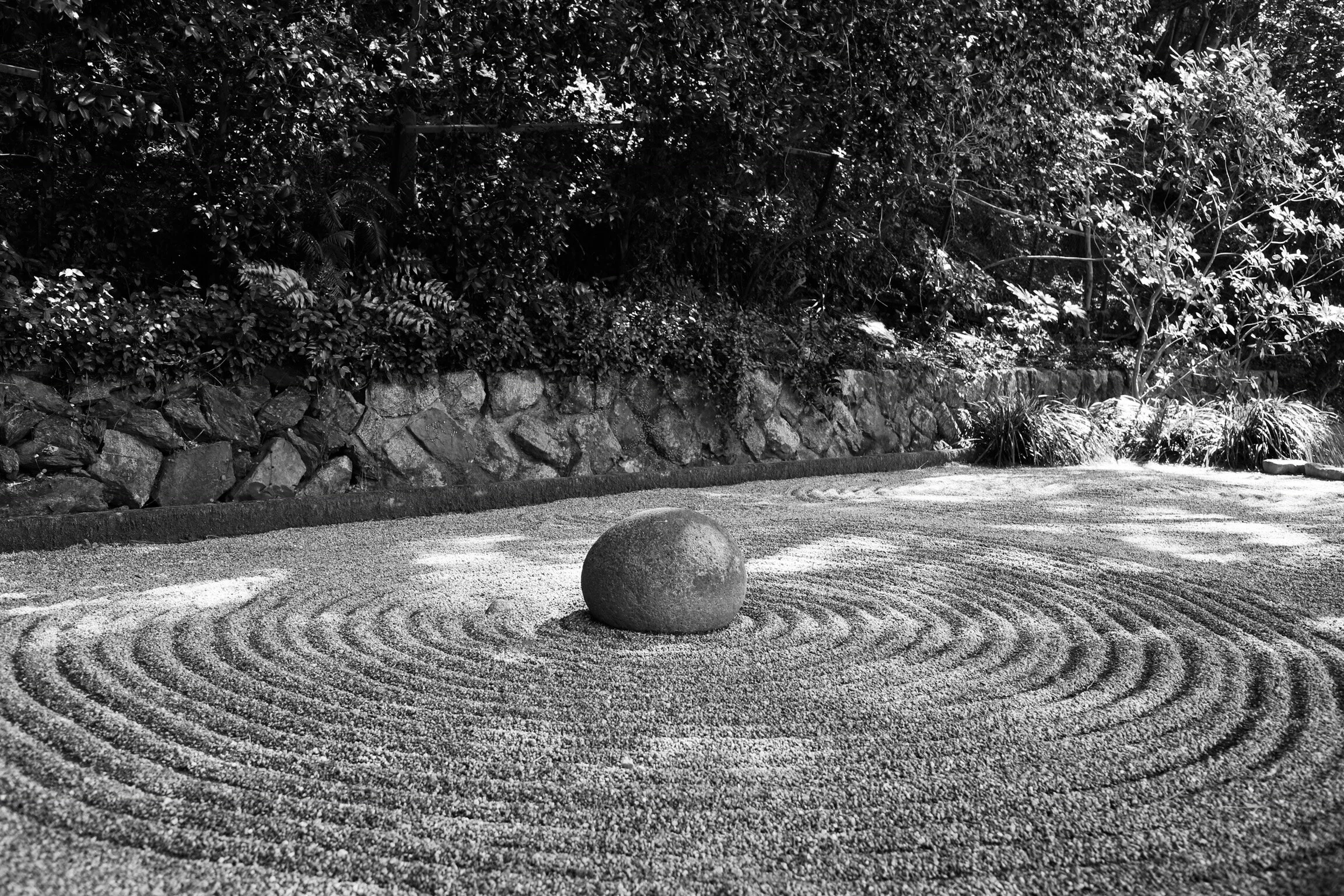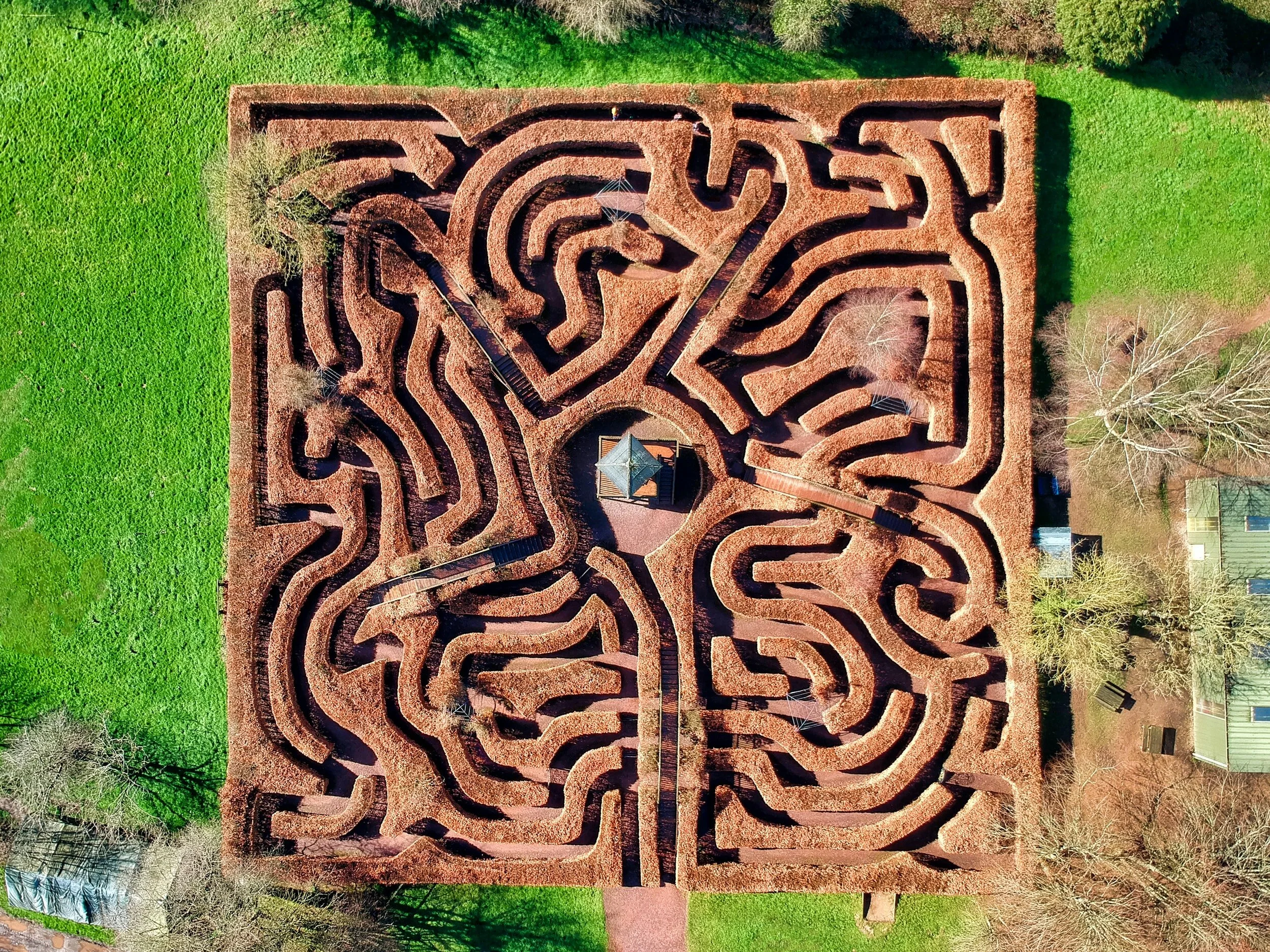
The Labyrinth
Labyrinths from mythology are described more as mental quests, a challenge of the mind for the hero to overcome. Labyrinths are a deadly loss of misdirection, physically and mentally. The most famous story is the creation of the labyrinth, created by Daedalus, the greatest inventor and master craftsmen in all of Athens, Greece, for King Minos of Crete to conceal his monstrous son, the Minotaur, a creature half-man, and half bull. Theseus, the hero of this myth was sentenced as a sacrifice for the Minotaur but was helped by King Minos’ daughter Ariadne, who gave him a pure thread to retrace his steps and slay the monster.
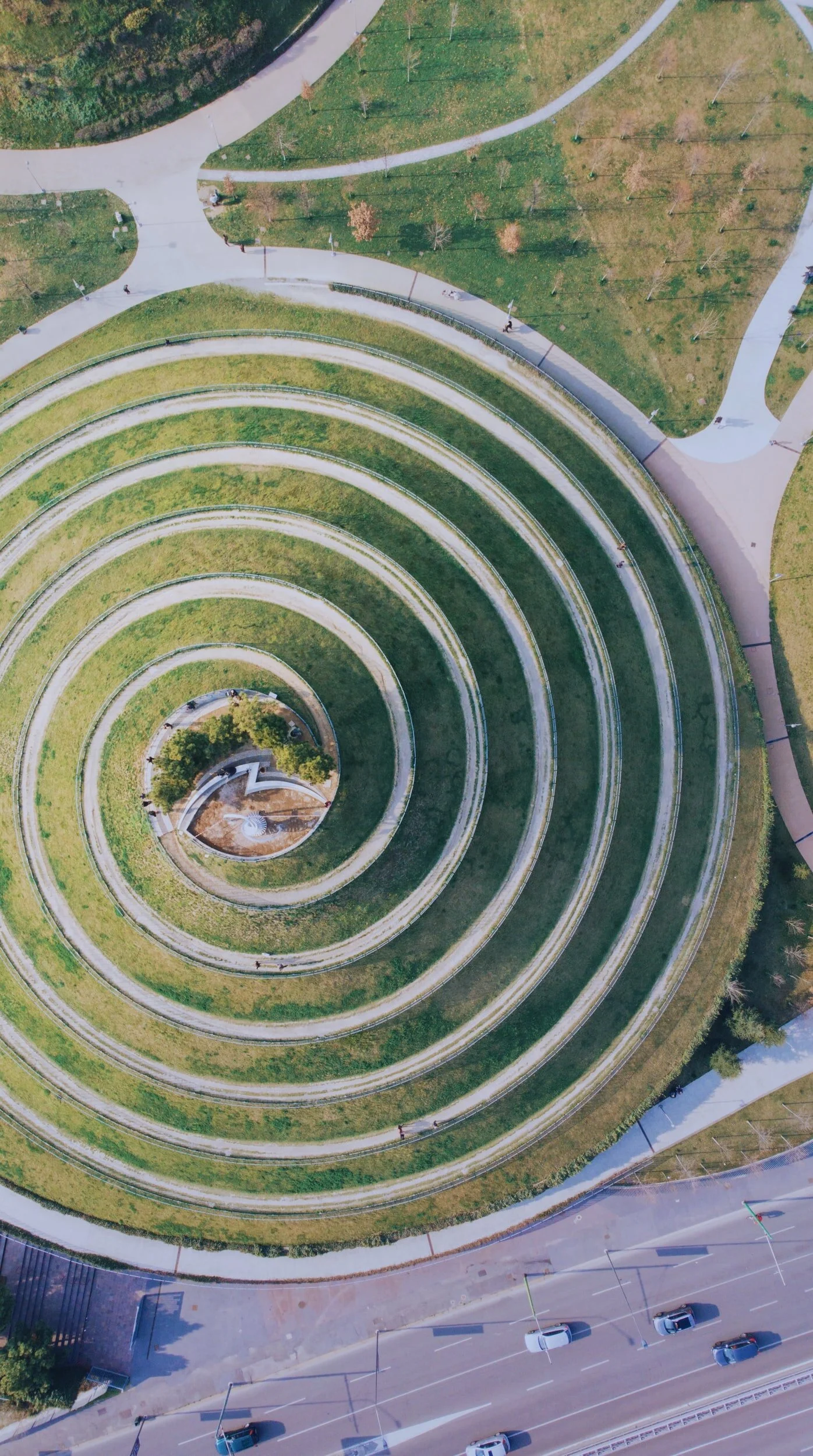
Several films, poems, and books talk about labyrinths and then some. Labyrinths are seen as grand symbols, as human beings have been fascinated with them since the beginning of time. The journey of the maze is the main character having to dive into a physical as well as mental underworld of sorts. ‘‘ ‘Labis’ is the Greek term for the double-headed ax. The earliest images of labyrinths. Their passageways like ripples or echoes radiating from the form of a double-headed ax; The acquisition of language, the mind-body problem, the question of meaning, of free will, consciousness. And the nature of that innate faculty of the ethical. Robert Morris says, ‘‘ideals, the admirable, right and wrong, the good, logic, principles. All connected in any given form of life. But maybe down deeper things are simpler.’’

Every corner of the world covers the symbolism of the linear one-way labyrinth as a pathway towards the center, towards salvation, God, and the tree of life. Trees play an important role, as they are connected to the labyrinth, they too are connected to the symbols of life, in Christianity and paganism. It is the archetype of the human experience and self idealization and leads us down a quest where the only way is through, emotionally, psychologically, and physically. The labyrinth is an ancient symbol that relates to wholeness, combining the imagery of the circle and the spiral into a meandering but purposeful path. It represents a journey to our own center and back again out into the world. ‘‘They [Labyrinths] have long been used as meditation and prayer tools. They have been found in ancient Crete, Egypt, and Etruscan; they have been inscribed on Neolithic tombs. They are a call to the center, a worship structure where the eternal beloved waits to be encountered. The labyrinth has always been associated with unity with God and conversation with the divine, with spirituality, worship, and the sacred mystery. Long ago, Christians were expected to travel to the holy land at least once during their lives. But as travel was often both difficult and dangerous, labyrinths were designed as alternative pilgrimages. If travel was out of the question, spiritual merit could be gained by walking a labyrinth.’’