Hawaii's warrior practices
NO. 1
We will be talking about Hawaiian warrior practices and weaponry, then discuss the significance of gender and social status to lua practices, and then finally, regarding the possible importance of lua in the contemporary world. The description of the ancient Hawaiian warrior practices and weaponry all starts out with the warrior’s greeting, which is traditionally called the mana lua, which means a power that flows throughout all things (supernatural life/spirit force). The most dangerous martial art form is called lua singularly, which means ‘to strike the second blow’. In fact, it was considered so dangerous that it was outlawed during European colonization.
‘Lua’ was just one form of the Hawaiian martial arts. It was mostly used during the deadly battles and wars that plagued the Hawaii islands from the 13th century to the 18th, almost 5 centuries of battle to secure leadership. Head chief Kamehakemea I did just that, using various deadly weapons and secrets to secure dominance over the islands. One weapon, another dangerous warrior practice, was called Hawaiian spear catching, in which you catch the spear as it is thrown right at you, and if you were worthy of catching it in the act you have the chance of throwing it back at your opponent.
NO. 2.
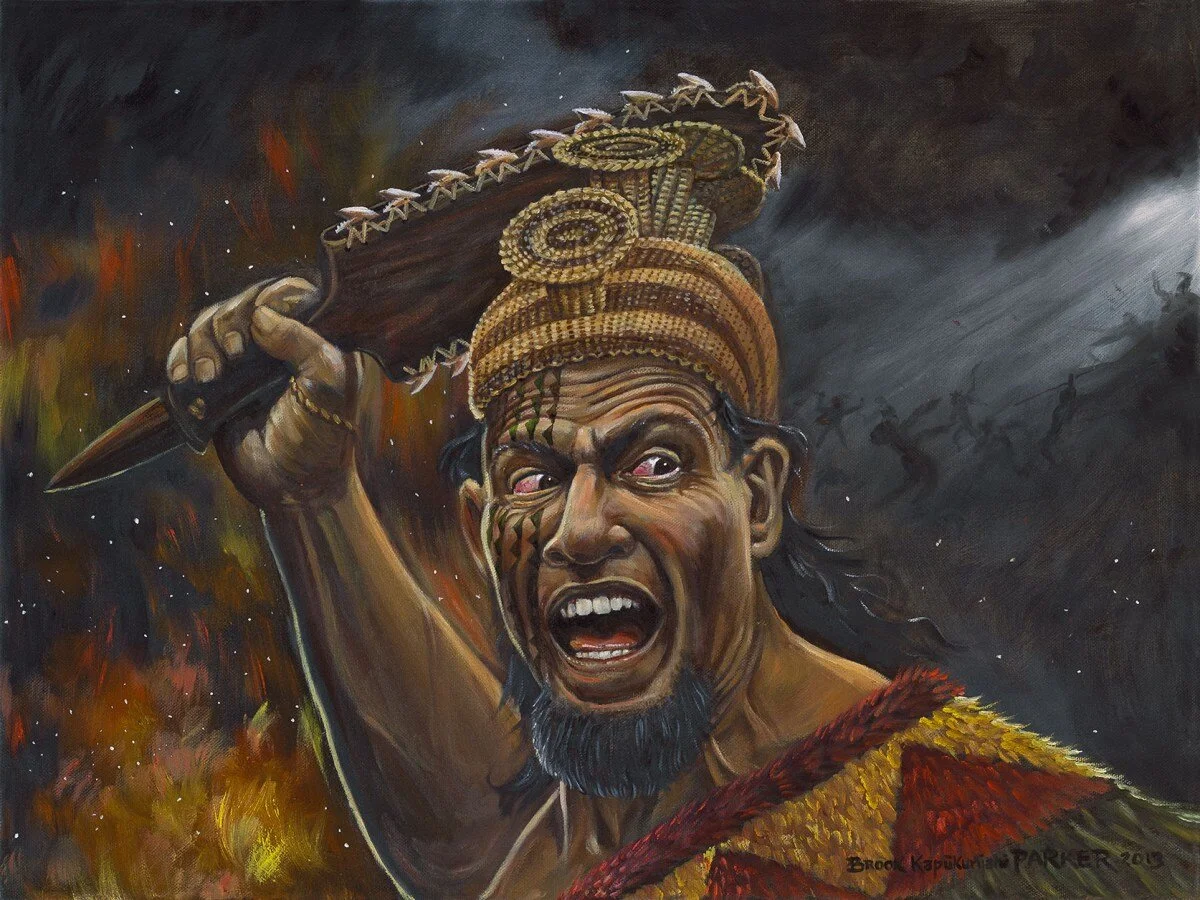
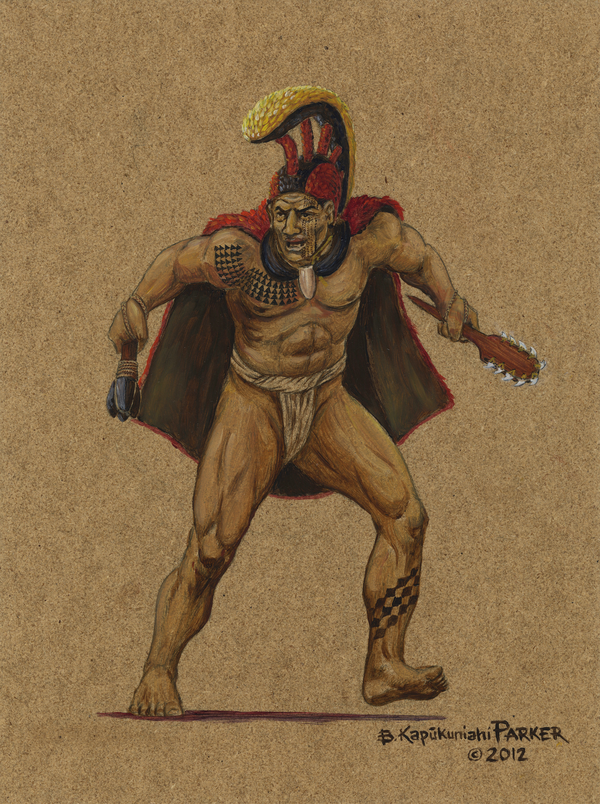
Leiomano, was another dangerous weapon, as it cuts through muscle, skin and bone. Head Chief Kamehakemea crafted this weapon, by killing and gutting a tiger shark, and using its teeth and layering it on the outside, fastening it and tying it across with a very sharp stick to use to stab your enemy. It was said that by using the tiger shark’s teeth, the chief ‘became’ the tiger shark, using the animals spirit and ferocity as a means of destroying his enemy. The Pikoi Club, a very hard string made from oak, connected to two large clubs were also highly dangerous, as it was used for strangulation, by swinging it in the air and simply wrapping it around your enemy or your victim. But it also for hitting and breaking bones, specifically the knees and ankles.
NO. 3
Now, the specifics of gender and social status to lua practices, in the past, usually relied on the male form, as whole of the Hawaii islands rely on a social hierarchy that starts with the ‘ali’l ai moku’, the paramount chief, the ‘kahuna’, or specialists, and the ali’l a apana’, or the district chief. The importance of the social hierarchy and status are mostly competitions and cooperation. One consequence of an emphasis on status is a constant concern for respect, which was very important on the islands. While the males of the islands would respectfully follow lua practices, the women of the islands would then belong to surfing, boxing, and tapa cloth production. The most amazing thing about all of these practices, regardless of the fact they were separated by gender, was that most of them had survived against the destructive and demeaning power of colonization, that had regarded these traditions as ‘barbaric’.
NO. 4
The possible lua practices around the contemporary world would be lifechanging. Not to mention the incredible honor it would have, not just to the islands but to the people of the land, to see their particular martial art, albeit a deadly one, used and is talked about with experts, would be amazing. Lua is important because it is regarded by the people as a spiritual power, that comes from the gods and goddesses, and all the power that you get by using the lua is generally transmitted genealogically. And, because we live in a technologically modern world, we have forgotten our ancestors, abounded our traditions and customs, and we have disbanded and separated from our families, so to remember the lua practices, and to revive it around the world would be to remember who we really are as a people, and as a society.