What is hegemony?
NO.1
The definitive term ‘hegemony’ is the political, economic, or military predominance or control of one state over others. But going deeper into it, hegemony is ‘manufactured consent, where a particular political ideology becomes embedded into a cultural model to seem natural, acceptable, and desired.’ It is the economic, social, cultural, and ideological influence and control by a dominant group over a subordinate group. It is the insidious way those in power undermine democratic principles and takes power for themselves.

NO.2
Hegemony also ‘’constrains in advance the kinds of objects that can appear within the horizon’’ [Butler 2000] But it happens between people, where it is negotiated, agreed upon, and accepted on the basis of limit points. Limit points are statements that limit your desire or make you complacent in your position and rely heavily on moral values. It is a balance between desires and capacity. It is more or less, symbolic violence, ‘the violence which is exercised upon a social agent within his/her social and economic landscape.’ The limit points are created and meant for people to accept less than desirable conditions. This is how hegemony works and can be accepted and registered, and by giving ‘at least’ comments, like ‘at least we have what we have now, we preserve hegemony. The meeting itself becomes the desire, not the outcome.
NO. 3
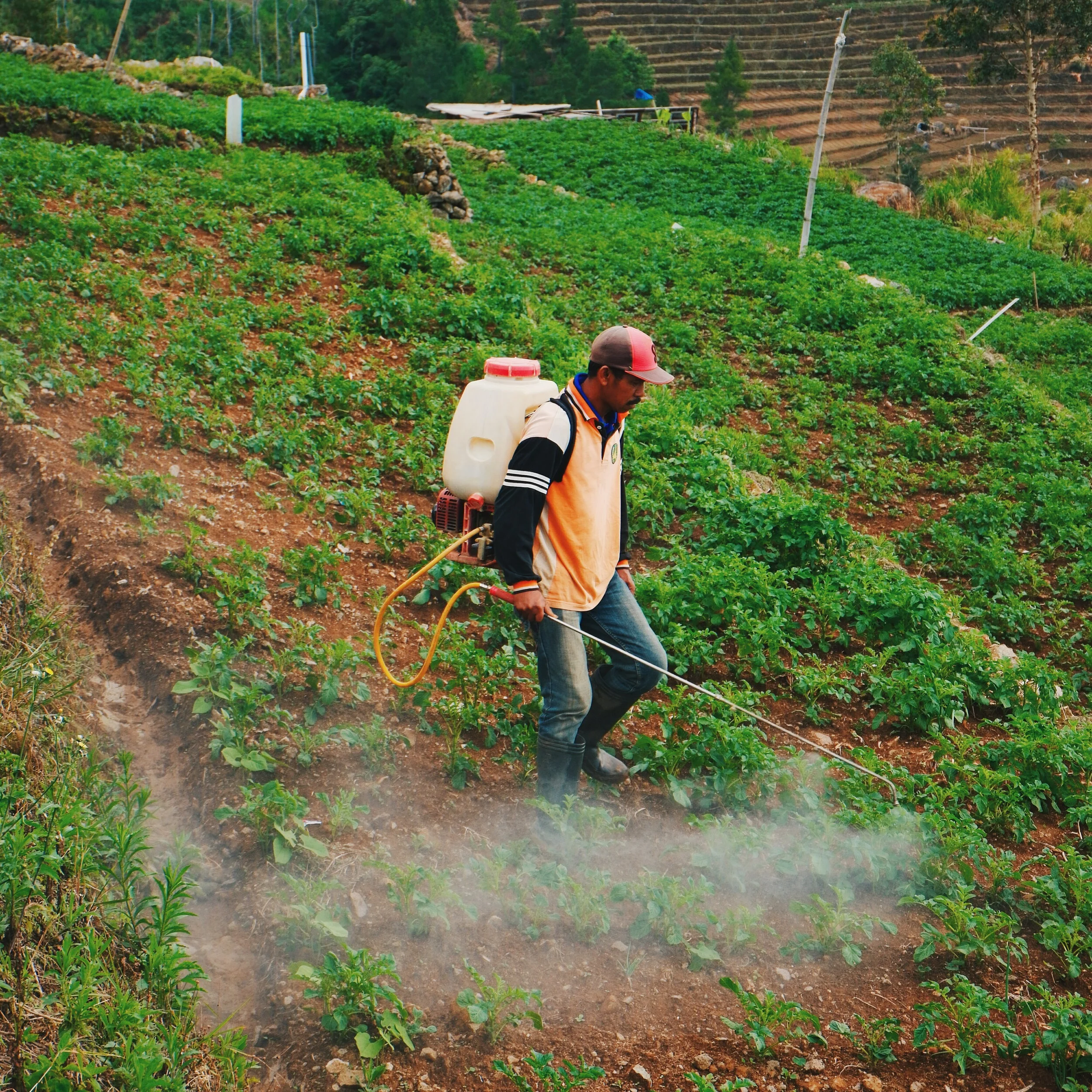
Moral values like compromise, open dialogue, reciprocity, and recognition were upheld, but they weren’t listened to and nothing has changed. Meanwhile, corruption and political and social violence continue, like European sovereignty over Africa, Asia, and Central/South America. One great example of hegemony is the violence and political and social unrest in Guatemala; In Here, Our Culture is Hard, regarding Mayan farm workers who grow broccoli independently, where you sometimes can get ripped off, you are asked to ‘hold product’, and sometimes you make ‘too much money.’ If the broccoli is not purchased, as it occurs 15% of the time, they take it back because it is taboo, or xajan to waste food but do not eat it. Non-traditional crops are grown non-traditional, but all for a larger global market, for cash, not substance, or to cement social ties. There are also health concerns as they use pesticides and fertilizers. Most Mayan farmers understand the risks of exploitation, culture loss, and moral problems, such as the gossip you will receive from your neighbors, which is frowned upon. Most of the limit points here will be, ‘’At least we can still be farmers, we can avoid wage labor or maquiladora work, we can still be family together, we can work the land and preserve some tradition, and we can grow our milpa as well as a cash crop,’’