Pre-Colonial Africa
NO. 1
The book ‘Pre-Colonial Black Africa’, written by Cheikh Anta Diop, wrote this title because no one has looked at the history of Africa before colonialism. Researchers tend to look at Africa afterward, and even more so the condition of what its people have survived against European oppression. (xi.) Until now…. the history of Black Africa has always been written with dates as dry as laundry lists, and no one has ever tried to find the key that unlocks the door to the intelligence the understanding of Africa. It is also used as a key discussion between the comparisons of Africa in Europe, and a finding at the interesting focus of Africa in each country, how different societies are and how they differ now, the usage of the caste system, and the ecosystem benefited each person, slave, chief, and noble.
NO. 2
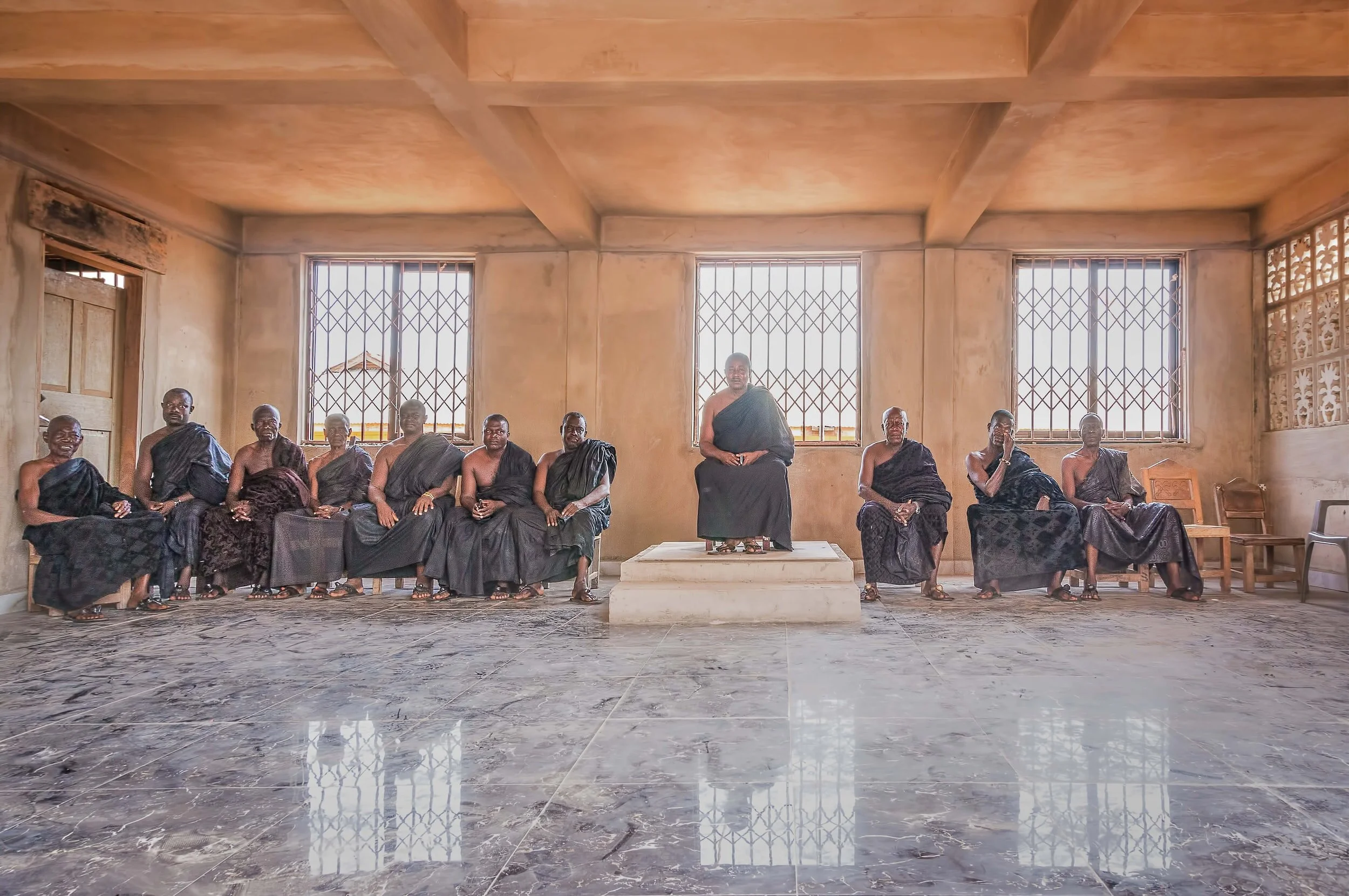
He conducted his research thoroughly by looking heavily into the societies of ancient Africa, their caste systems, and their hierarchies throughout each society in various countries and empires, like Ghana, Mali, and Songhai, the most powerful empires. The history of their empires, politics, religions, and way of life is described perfectly, showcasing that Africa was not the primitive world in which everyone, including Europe and America, believes they are. The author explains that through intense research into the countries of Africa, their traditions, their beliefs, their politics, Africa or black contribution could be seen in modern Europe, from Italy with the Moors, since they colonized it, to Britain; and 2) yes, Africa was at a great disadvantage with Western colonialism, but that does not mean that Africa was a ‘backwater’, in a sense. (pg. 74).

N0. 3
But, as you can well be imagined, such clans were far from being as primitive as one might offhand have thought: They were not without the after-effects of the earlier imperial epoch. That is why ethnologists, to their immense surprise, but without exception, always discover in the organization but are more advanced; they often do not hesitate to attribute this to a phenomenon of degeneration, supposing that these populations, living today in so primitive a state, had in the past experienced some forgotten great period. On pg.40, Diop briefly researches the Middle Ages, where knowledge relapsed enormously. However, at the time of Charlemagne, the knowledge which had vegetated in the monasteries became vast and spread out to Ireland and England. He talked about the Greeks and the Turks, especially Aristotle, the only Greek philosopher to be studied and was considered of the thinkers of the Middle Ages. Basically, a recalling of European politic-social evolution and switches to a detailed comparative study on African politico-social organization. The second method is the citing Al Bakri and Ibn Khaldun concerning the empire of Ghana (tenth and eleventh centuries) and Battuta on the Empire of Mali (1352-1353). So, why did Africa and its imperial system not create a capitalistic system of its own? Different from Europe is that the meaning of the word ‘capitalism’ is based on the idea of individualism. Africa, at the time, had no sense of that word.

NO. 4
Since there was a caste system held in support, there was no power struggle and no competition needed. The king and the little local lord knew that they owned slaves and ruled the entire country, the extent they knew perfectly well and whose inhabitants paid them a specified tax. Yet they never felt that they owned the land. Therefore, the African peasant’s situation was diametrically opposed to that of the serf bound to the soil and belonging, along with the land he cultivated, to a lord and master. There was no economic or sociologic reason for capitalism since in Africa, poor or rich, the people had viable access to resources; From an economic viewpoint, Africa is characterized by abundance. Travelers of the precolonial era encountered no poverty there; according to the Tarikh el Fettach, the emperor of Ghana, seated upon a ‘platform of red gold,’ daily treated the people of his capital to ten thousand meals. Such material comfort increased demographic density scarcely imaginable today…..Wherever modern capitalism may be found, it’s a European export and not the result of local natural evolution. It came to Africa with exploitation and the usage of greed.