Homelessness in America
Homelessness in America is rampantly occurring, and we could all blame it on the recent COVID-19 disease, but we could all agree it is because of poverty. In New York City, and other huge cities all over the world, the gap between extreme wealth and extreme poor have always co-existed. Politicians have wholly ignored such issues, in favor of giving attention to other social issues.
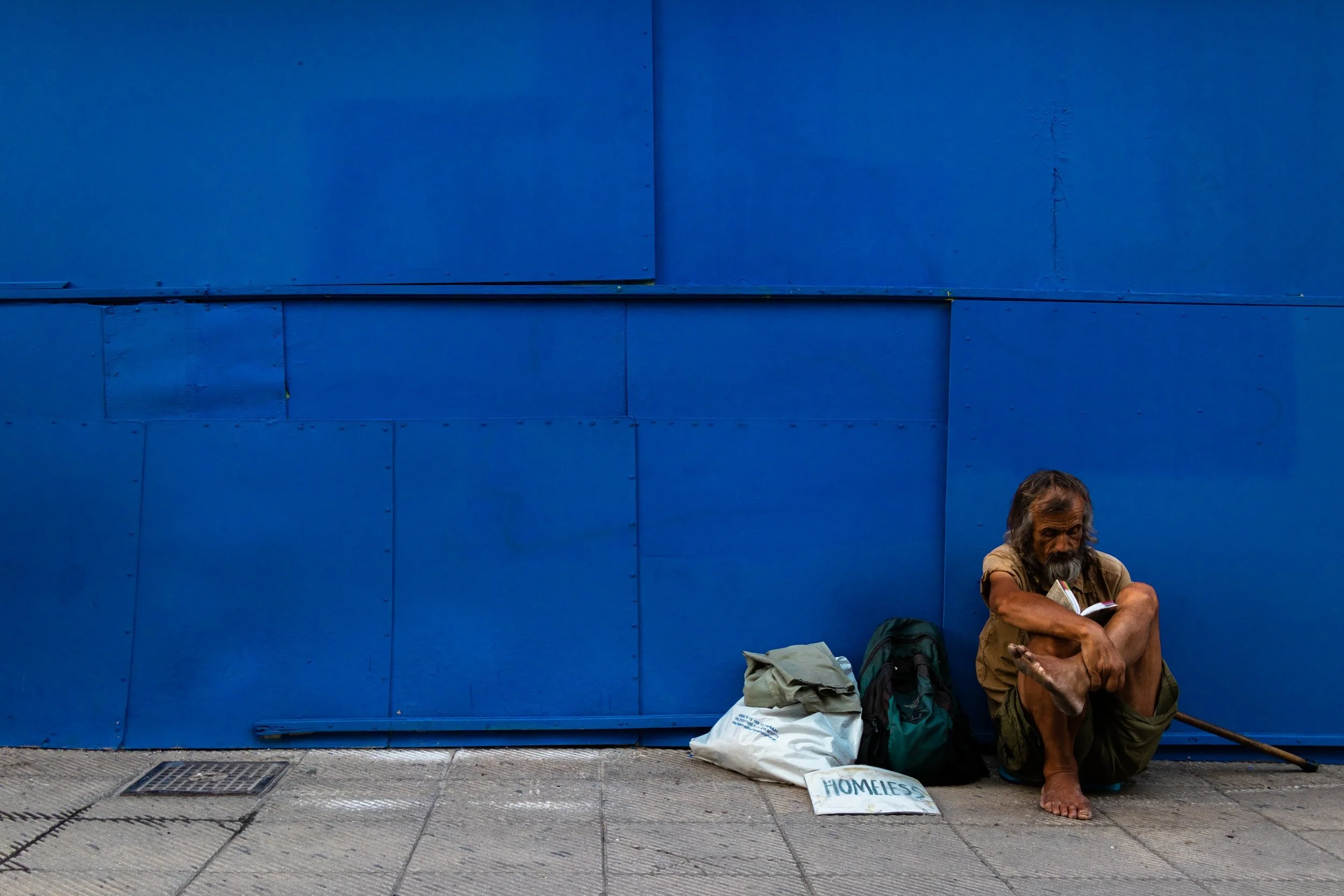
The recent poll, taken in January 2020, ‘‘New York had an estimated 91,271 experiencing homelessness on any given day, as reported by Continuums of Care to the U.S. Department of Housing and Urban Development (HUD). Of that total, 15,151 were family households, 1,251 were Veterans, 3,072 were unaccompanied young adults (aged 18-24), and 7,515 were individuals experiencing chronic homelessness. Public school data reported to the U.S. Department of Education during the 2017-2018 school year shows that an estimated 153,209 public school students experienced homelessness over the course of the year. Of that total, 5,939 students were unsheltered, 44,678 were in shelters, 3,157 were in hotels/motels, and 99,435 were doubled up.’’
The numbers continue to grow because legislation is slow, and most shelters are up to their capacity. Most people who have little to no income cannot survive only on government benefits and as it limits to nothing, homelessness increases. ‘‘There is a general consensus that, while not necessarily preventing homeless, the generosity and comprehensiveness of welfare systems of welfare systems shape the degree to which households will experience homelessness and housing exclusion, as well as the characteristics of those households (Allen et al, 2002.) The basic pattern, developed by Stephens and Fitzpatrick, (2007), is that the more generous and comprehensive a welfare system, the fewer the number households who experience homelessness will be largely single-person households and will have experienced other forms of exclusions, substance misuse, and various disabilities. On the other hand, more miserly and constrained welfare systems will generate a much higher number of households experiencing homelessness due to poverty, and housing affordability, rather than individual-level disabilities.’’
My name is Arielle, I am a social scientist, and I am a New Yorker speaking about homelessness in my state because I feel that, especially now, everyone should speak up and give their voice as a show of solidarity. I will continue to write and post about social issues impacting my community, state, and the world. There are links to help and donate to all these shelters down below.
1) Hoboken Homeless Shelter (hobokenshelter.org)
3) DonateNYC