The Assassination of MLK!
NO. 1
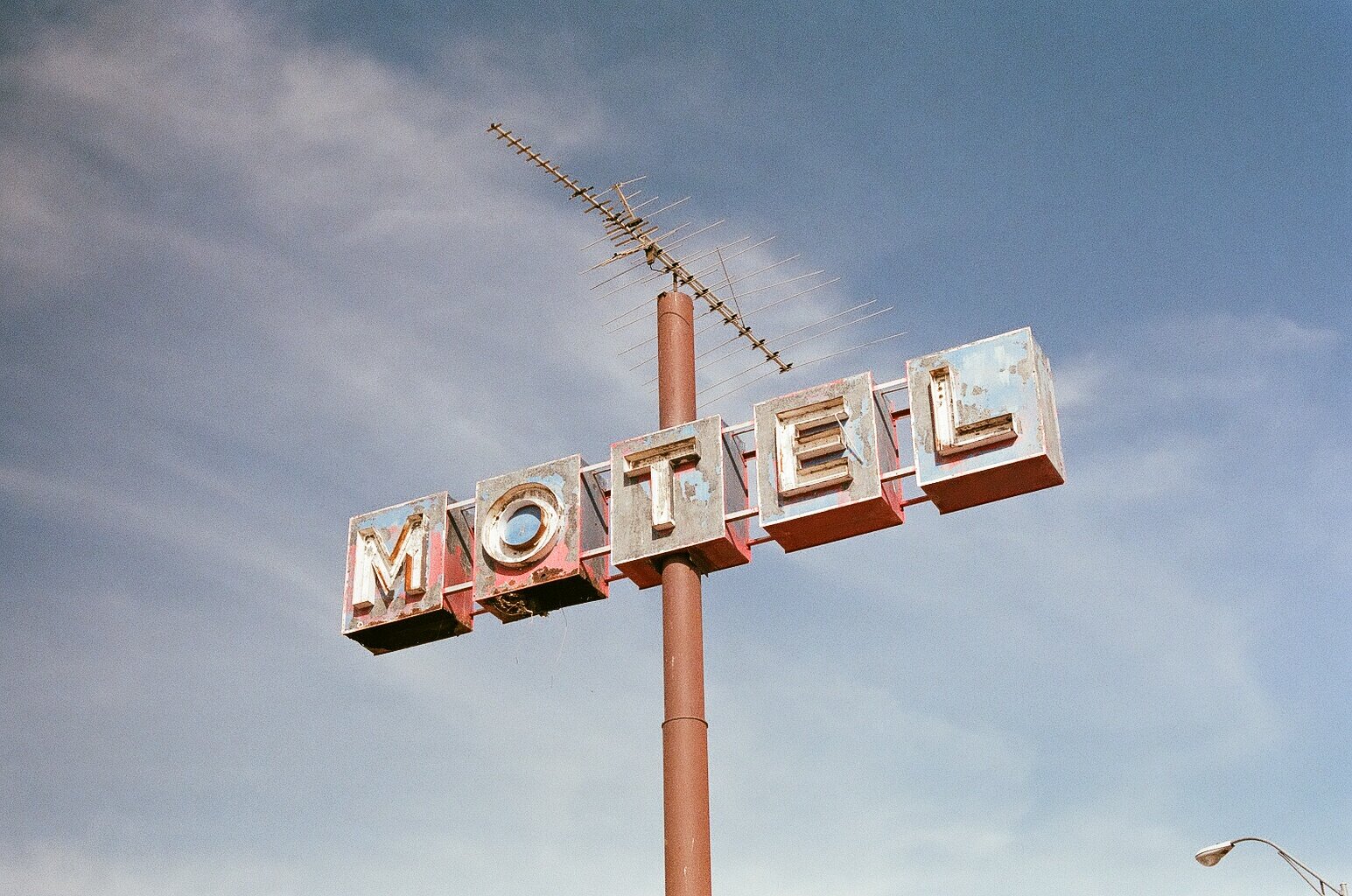
Martin Luther King. Jr, the famous civil rights leader, and clergyman, was assassinated at the Lorraine Motel in Memphis, Tennessee on April 4, 1968; he was rushed to St. Joseph’s Hospital where he ‘’died’’. James Earl Ray, a fugitive who had escaped Missouri State Penitentiary was arrested in London at Heathrow Airport, extradited back to the United States, and charged with the crime, where he pleaded guilty on March 10, 1969, and sentenced to 99 years in Tennessee State Penitentiary. He made several attempts to withdraw his guilty plea and be tried by a jury but was unsuccessful. He died in prison in 1998.
NO. 2
The King family do not believe he was murdered at the hands of this common criminal, but that the F.B.I and C.I.A had their hands involved, especially the head of the F.B.I, director J. Edgar Hoover, the Mafia, and Memphis police, as alleged by Lloyd Jowers, the owner of Jim Grill, a restaurant near the Lorraine Motel where the civil rights leader was shot. They believed that Ray was a scapegoat. In 1999, the family filed a wrongful death lawsuit against Jowers for $10 million. During closing arguments, their attorney asked the jury to award damages of $100 to make the point that ‘it was not about the money.’ During the trial, both sides presented evidence alleging a government conspiracy. The government agencies accused could not defend themselves or respond because they were not named as defendants.
NO. 3
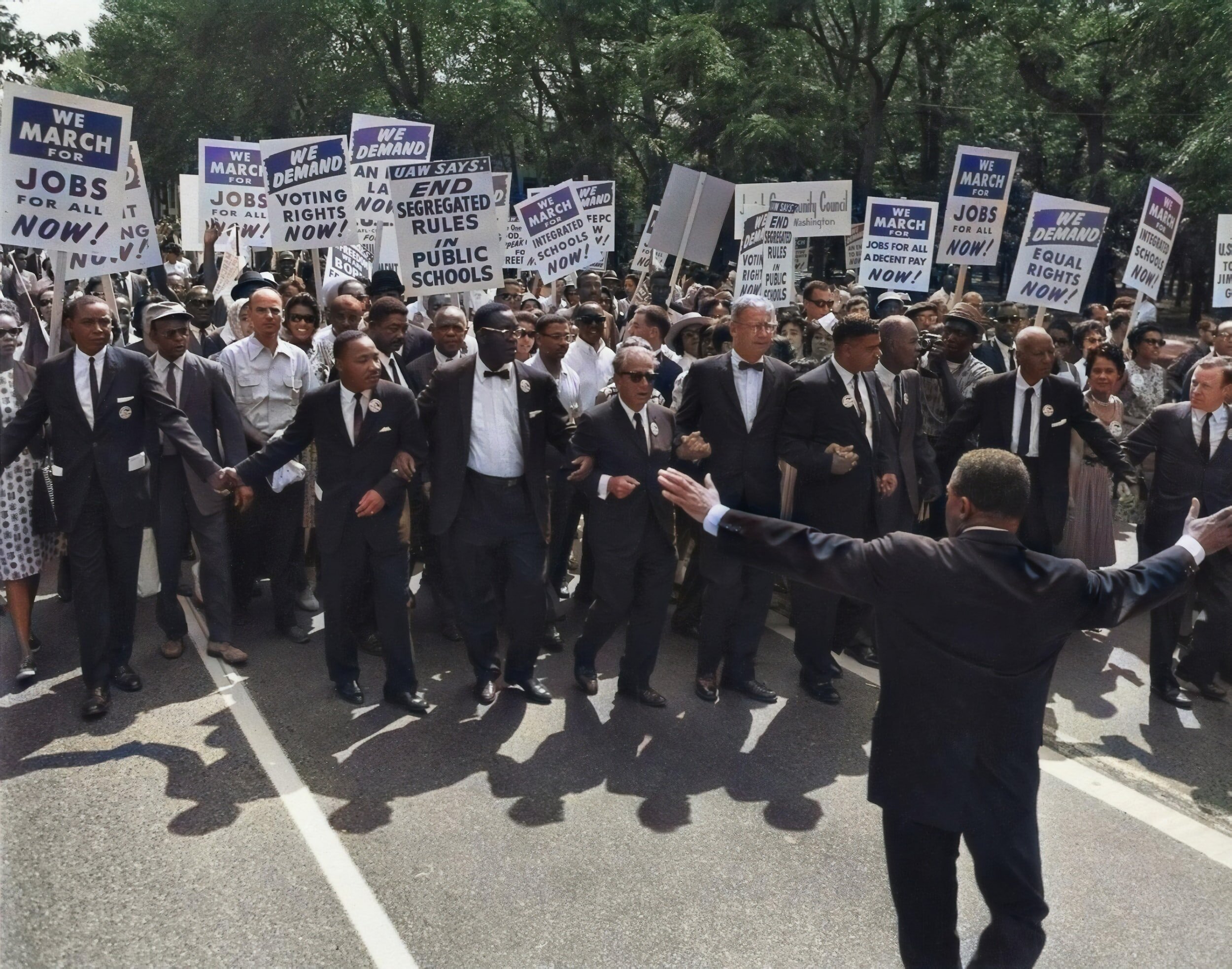
Based on the evidence, the jury concluded Jowers and others were ‘’part of a conspiracy to kill King’’ and awarded the family of $100.The U.S. Department of Justice later rejected the allegations and the findings of the Memphis jurye in 2000 due to lack of evidence. ‘’The brutal death of the civil rights leader elicited a political reaction manifesting social disturbances across the nation. Numerous riots and lesser civil disturbances occurred directly after the killing. Several explanations for the disturbances appear obvious. The best--known civil rights leader in the nation had been murdered. For many, King had become a symbol of progressive change in policies concerning race relations and poverty. The killing also occurred within the context of increased interracial tension. More widespread rioting, looting, and burning--although less personal violence--took place in the prior summer than at any other time since the Civil War. Finally, diverse political participation modes among African-Americans emerged on a fairly massive scale. [I] argue that the assassination was a stimulus that led individuals to emotional disengagement from political behavior. What I term political disengagement occurs when normally positive and latent diffuse sentiments toward the political system and its elements become negative.’’