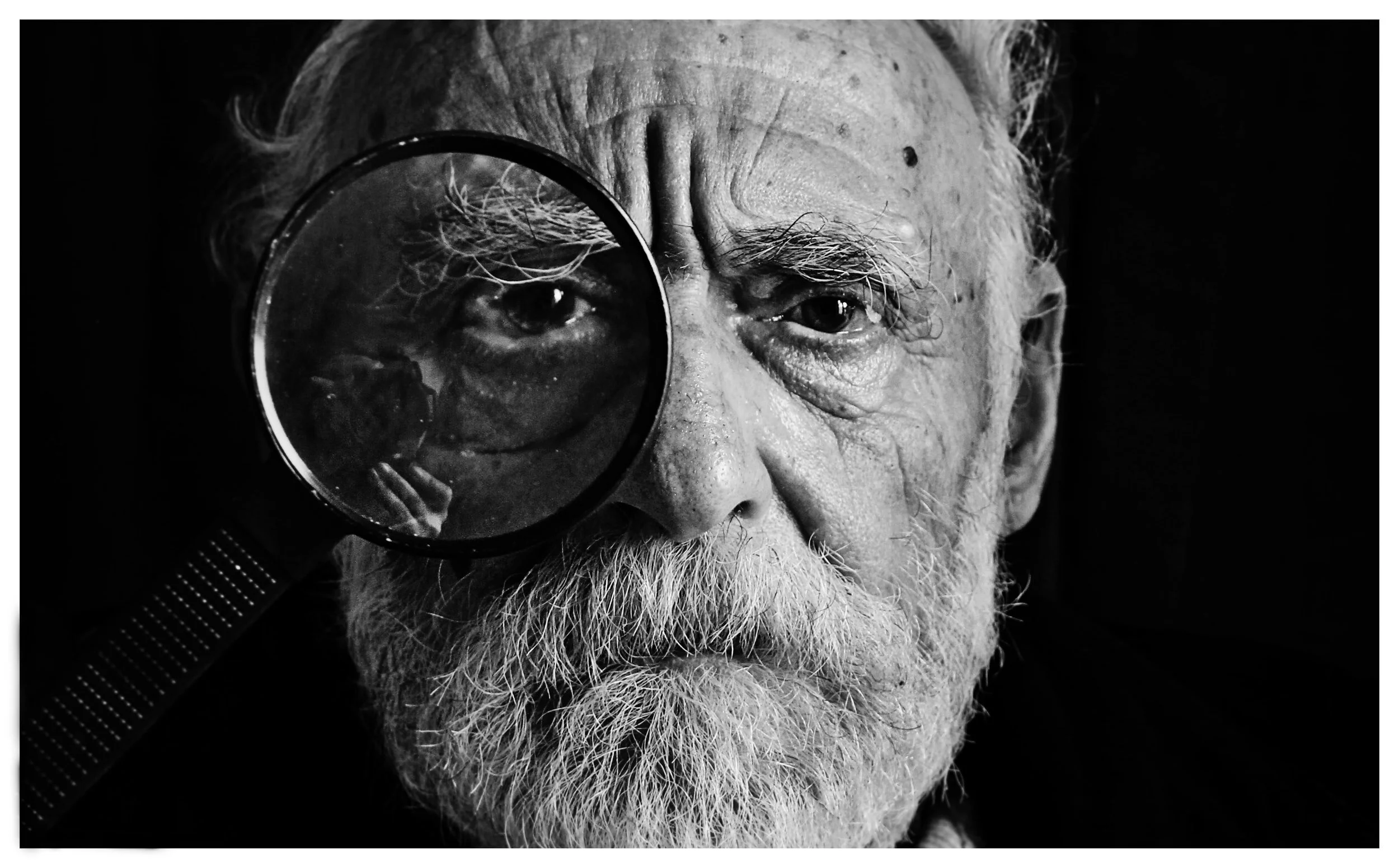
Paranormal experiences
NO. 1
This article is wholly based on sociological principles, so it differs slightly from previous articles. The paranormal experience falls out of conventional standards or ‘science.’ Paranormalism is thinking about or the examination of claims about things that fall out of conventional standards. C. Right Mills, the author of the Sociological Imagination, says the sociological imagination is the concept of being able to ‘think ourselves away from the familiar routines of our daily lives to look at them anew. But how does this fit into paranormalism?
NO. 2
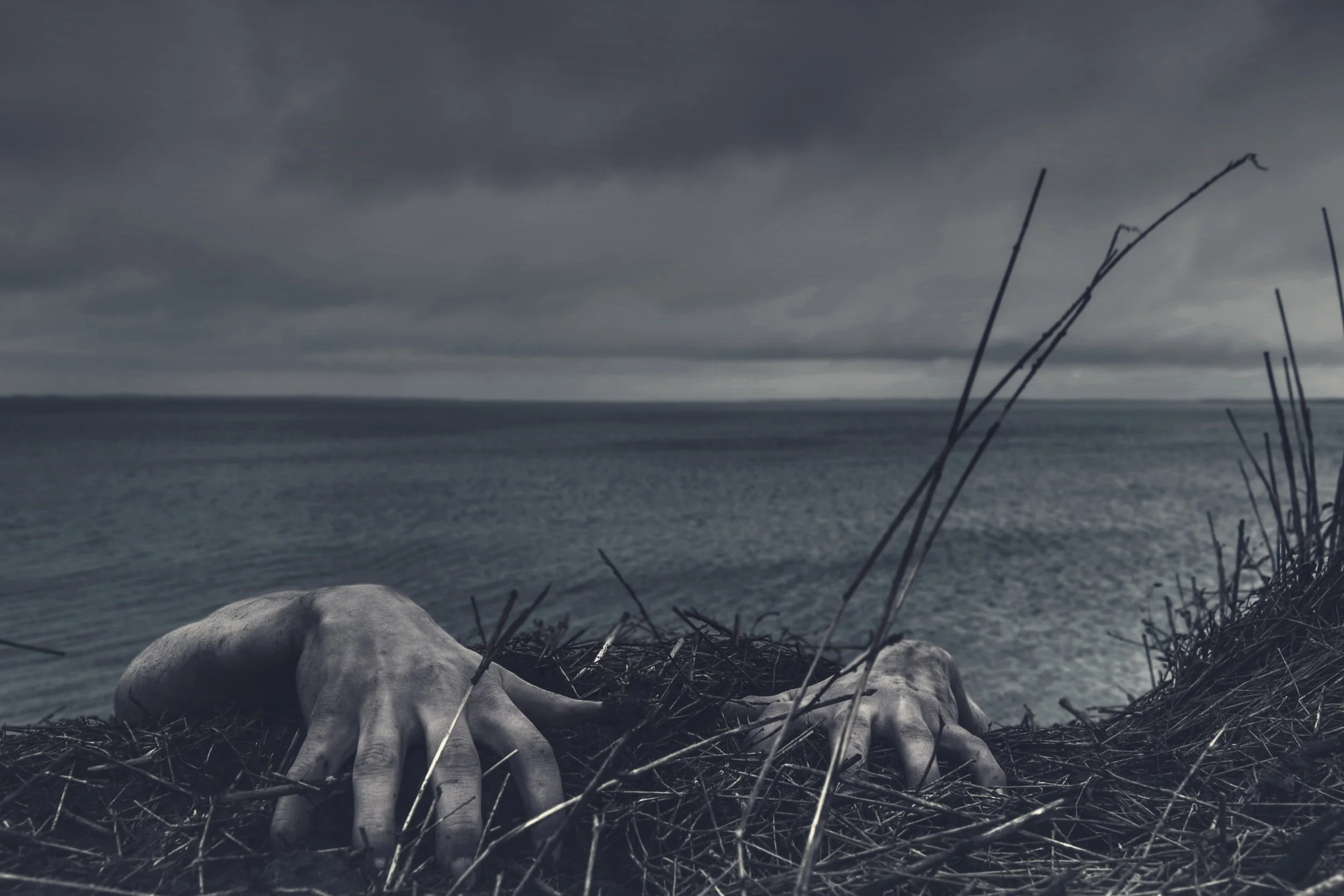
According to studies, 18% of Americans say they’ve seen ghosts or witnessed paranormal experiences. Nearly one-in-five U.S adults say they’ve seen or been in the presence of a ghost. 29% say they’ve felt in touch with someone who has died. Claude Fisher, a professor of sociology, explored America’s persisting beliefs in some supernatural phenomena in a 2013 study. A closer look reveals that belief can differ by gender and that women are more likely than men to believe in haunted houses, communicating with the dead, and astrology (because men are statically seen as more logical.) ‘‘In spite of strong public expressions of skepticism from the scientific community, polls show that nine out of ten Americans adults profess belief in paranormal phenomena. Some scientists view this as a social problem, directing much blame (but little research) at various sources, including a lack of critical thinking skills, fads, the need for transcendent experiences, failure of the educational system, and cultural cycles. Social impact theory provides an alternative focus: it views paranormal beliefs as a natural consequence of social influence processes in interpersonal settings.’’