Housing Discrimination
NO. 1
Racial exclusion or segregation had real damage to the black communities persistent in their fight for freedom to own and be included in everything whites were already allowed in; the fight for equality, economic security, education, and fair housing was beginning. The racial exclusion was such a severe enough problem since, in every near northern city, black newcomers were crammed into old and run-down housing, mainly in dense central neighborhoods left behind by upwardly mobile whites. White builders, in charge of housing and related agencies, could dictate who could own, and William Levitt of Levittown, where massive developments were made in the suburb, was no exception.
NO. 2
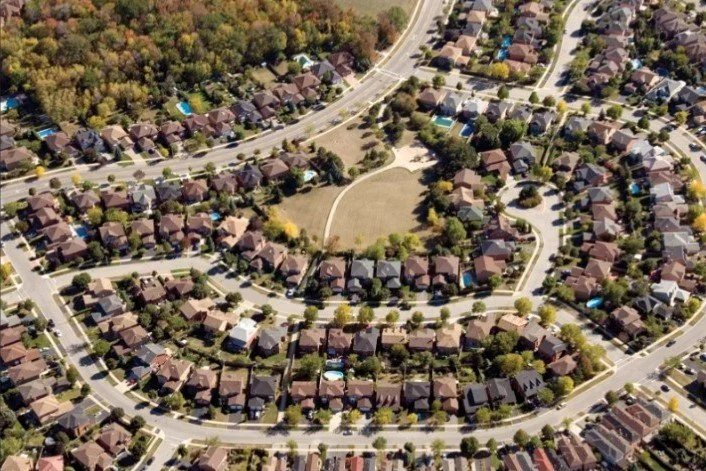
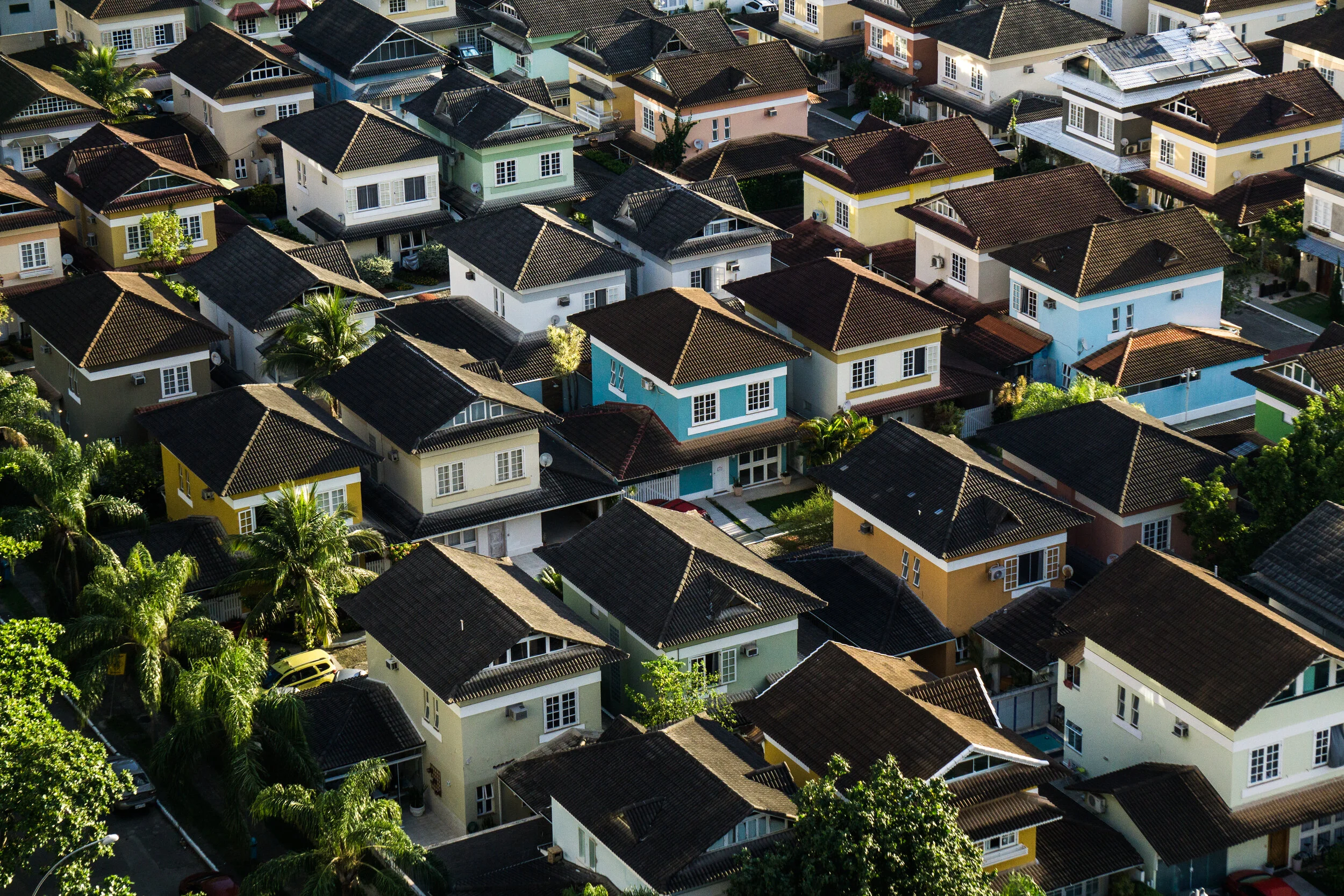
These houses were ‘affordable for the common man’, and remade America’s landscape after World War II. The iconic images of little ranches and Cape Cods, set in spacious yards on curvilinear streets, stood for everything America celebrated in the Cold War era. These subdivisions attracted a heterogenous mix of suburbanites, blue-collar workers employed by U.S Steel factories, teachers, clerks, and administrators. Levitt celebrated the ‘American-ness’ of these houses, saying, ‘’No man who owns his house and lot can be a communist. He has much to do.’’ And when Levitt was questioned about the racial homogeneity of his planned community, he responded, ‘’We can solve a housing problem, or we can try to solve a racial problem, but we cannot combine the two.’’ But the housing and racial problem were connected, as blacks could not get these houses because they were black. One instance of racial exclusion was in metropolitan Philadelphia, where between 1946, only 347 of 120,000 new homes built were open to blacks. Langston Hughes, a popular poet, described black neighborhoods as the ‘land of rats and roaches, where a nickel cost a dime.
NO. 3
Economist Robert Weaver spoke, ‘’among the basic consumer goods, only housing for Negroes is traditionally excluded freely competing in the market.’’ The struggle to open housing was not just a matter of free access to a market that excluded blacks. Racial segregation had a high stake in post-war America, where you lived shaped your educational options, job access, and quality of life. The housing markets also provided most Americans with their only substantial financial asset. Real estate was the most important vehicle for the accumulation of wealth. Breaking open the housing market would provide blacks access to better-funded, higher-quality schools. It would allow them to live in growing communities--near the shopping malls, office centers, and industrial parks where almost all new job growth happened. And more importantly, it would narrow the wealth gap between blacks and whites. The battle against housing discrimination in Levittown or elsewhere would be the most important in the northern freedom struggle.
NO. 4
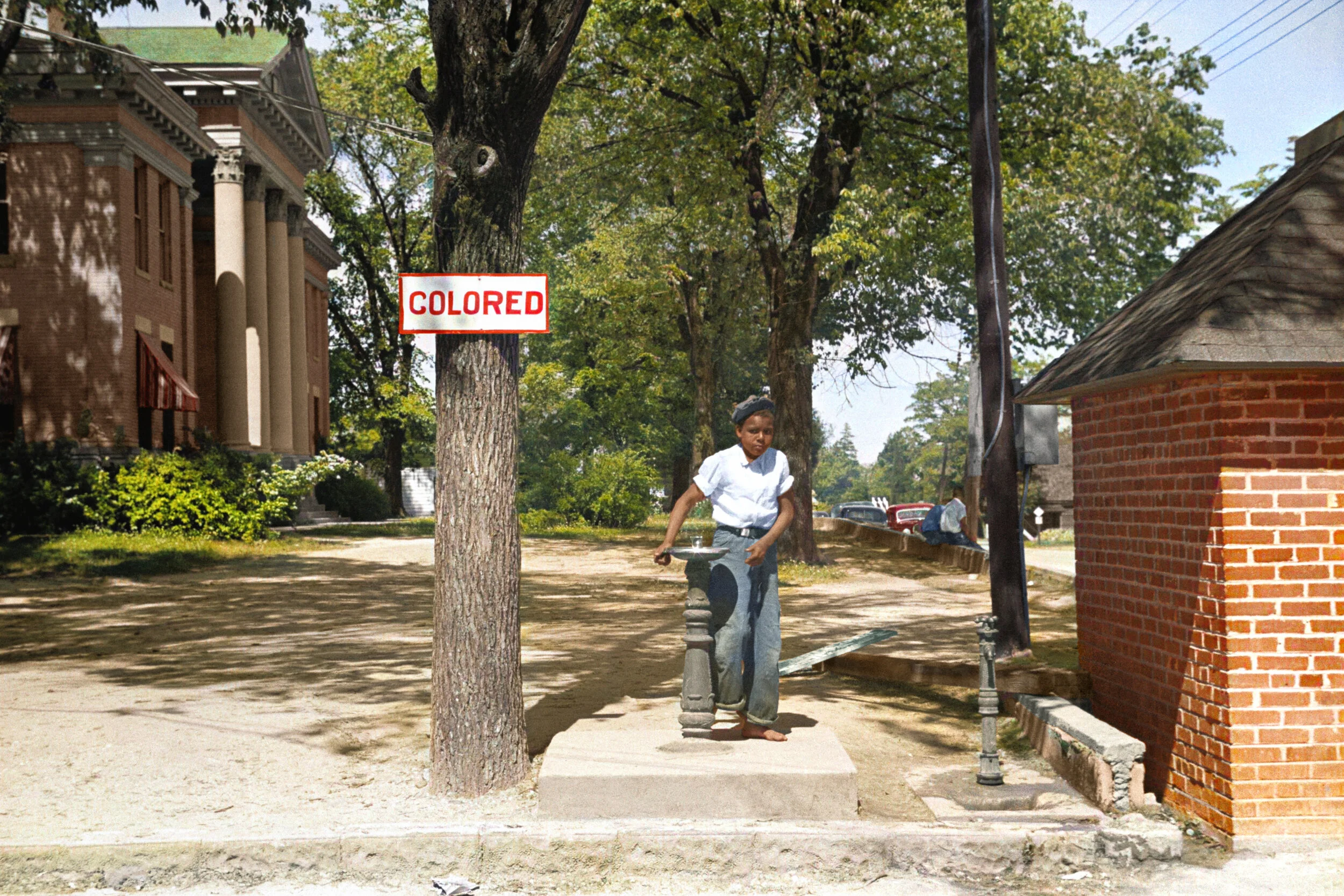
Housing segregation in the north was built on a sturdy foundation of racial restrictions encoded in privacy regulations and public policy. In the late nineteenth and early twentieth centuries, the Midwest--and especially Indiana and Illinois, were dotted with ‘sundown towns’ places whose residents drove blacks off by force, enacted ordinances to prohibit black occupancy (although the Supreme Court struck down such ordinances in 1917), and sometimes posted signs, like that in Wendell Willkie’s Elwood, Indiana, warning blacks of the dire consequences of staying around after sunset. Such crude techniques succeeded in driving blacks out of small towns. Still, they were less effective in the major northern metropolitan areas that attracted most African American migrants beginning in World War I.
NO. 5
Three devices were used to help housing discrimination: first, private but legally enforceable restrictive covenants—attached to nearly every housing development built between 1928 and 1948— forbade the use or sale of a property to anyone other than whites. Second, the federal housing policies enacted during the Depression mandated racial homogeneity in new developments and created a separate, unequal housing market, underwritten with federal dollars, for blacks and whites. And third, real estate agents staunchly defended the ‘freedom of association and the right of homeowners and developers to rent or sell to whom they pleased, steering blacks into racially mixed or all-black neighborhoods. Whites in the North had economic reasons to fear the ‘Negro invasion’ as they called it. Their ability to secure mortgages and loans was at risk. But their motivations were not solely economic. Intertwined concerns about property values were fears of black predation. North and South recoiled at the prospect of miscegenation. In the South, they feared the legal restrictions on intermarriage and racial mixing in public spaces; the North feared the regulation of housing markets.