Belly Dancing
NO. 1
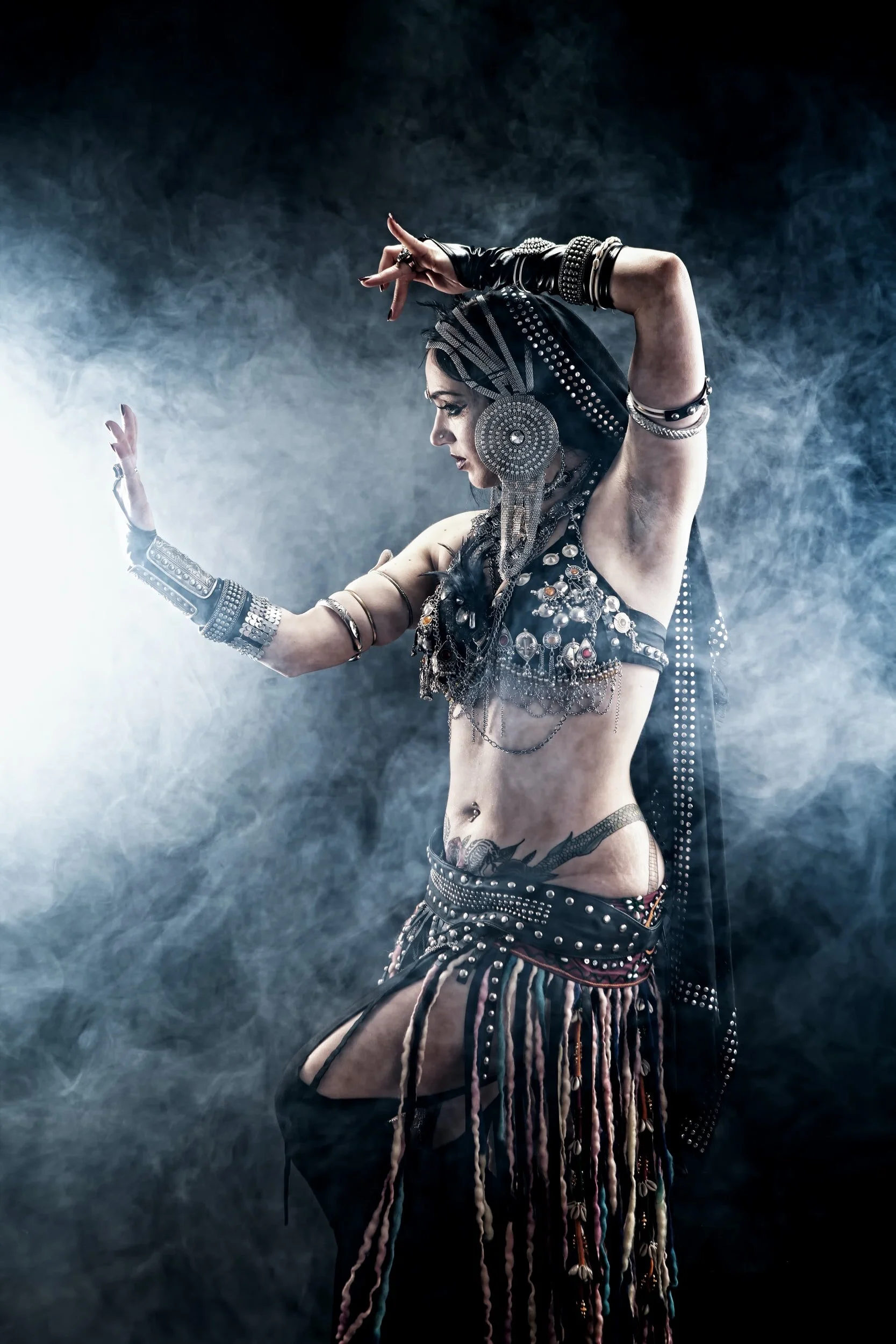
The art of belly dancing is a Middle Eastern practice that has, over time, gravitated towards Western white American women. The way American women dance is this is a ‘glamorization’, and more focused on the power of reception, rather than cultivating it and respecting the practice. Originally, belly dancing is based on ancient folk and social dances in North African and Middle Eastern countries, particularly Egypt and Turkey. The dance is characterized by various hip, torso, shoulder, and chest movements. ‘‘The images projected by Westerners in the performance of belly dance and other forms of oriental dance raise the thorny issue of orientalism. The vocabulary of the dance and its position within the framework of the West, especially the United States, as ‘other’ provides an ‘empty’ location, as in ‘not part of my culture’, for the construction of exotic new fantasy identities. At the same time, as a repository of media stereotypes and thus Western fantasies of women, it also provides physical images via the femme fatale which the (generally female) dance emulates in order to play an assertive sexual role in a male-dominated Western society.’’
NO. 2
Of course, here in the West, its meaning has changed, especially in America when gained popularity over 100 years ago when ‘dancing girls’ from different countries were showcased in Chicago’s World Fair. From Belly Dance: Orientalism—Exoticism—Self-Exoticism | Dance Research Journal | Cambridge Core, ‘‘Because of the movements of body parts, such as the stomach, that were expected to be tightly constrained during the Victorian era, controversy surrounded these performers, and belly dance became associated with burlesque, stripping, and prostitution. Despite perceptions of belly dancing being associated with sex work, the dance has a variety of meanings for participants, like spiritual, communal, and feminine qualities. For most dancers in the United States, the dance is a form of leisure. Leisure is a voluntary activity that people pursue with a positive state of mind during their free time. For many dancers, belly dance is an enjoyable form of recreation rather than a primary source of income. Women in most large and mid-size cities around the country take belly dance classes at studios, gyms, and recreation centers.’’
NO. 3
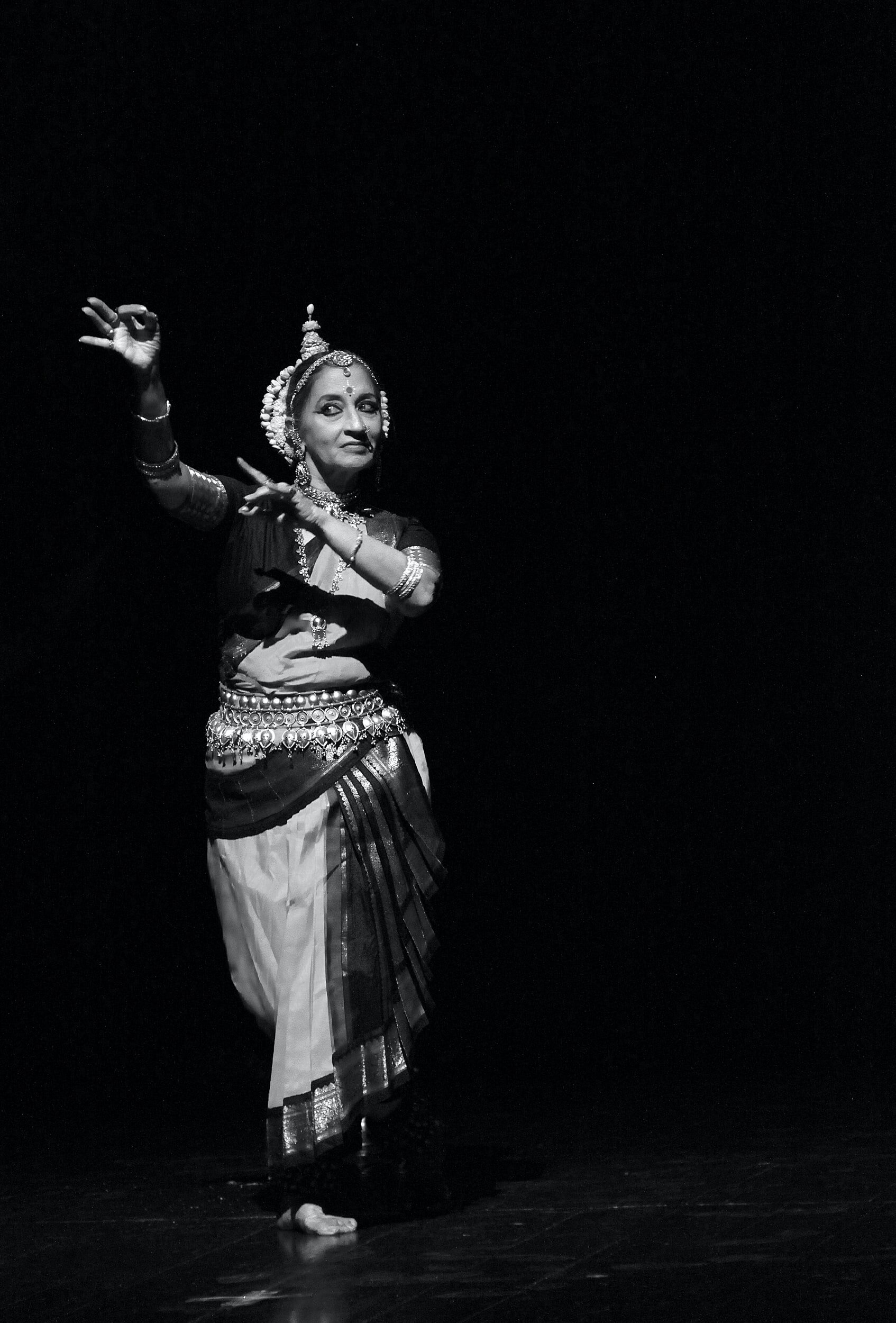
Belly dancing is a key icon of the Middle East and is a site for performing and interpreting. It is appealing because it expresses ‘imperial feelings’, or the complexity of psychological and political belonging to an empire that is often unspoken, sometimes subconscious, but always present, the ‘habits of heart and mind’ that infuse and accompany structures of difference and domination. We can call on U.S imperialism as an example, as it rests as a multicultural nationalism. Belly dancing has become a ‘‘site for staging a New Age feminism and liberal Orientalist perspective on Arab and Muslim women, illustrating what Edward Said called, ‘new-Orientalism’ of the present moment. Orientalism continues to be a deeply appealing, binary frame for imagining the ‘West’ in opposition to the ‘Orient’, or to the East—a Western style for dominating, restructuring, and having authority over the Orient’, through the production of an 'idea that has a history and tradition of thought, imagery, and vocabulary that has given it a reality and presence in and for the West.’’