Who created the manuscript?
NO. 1
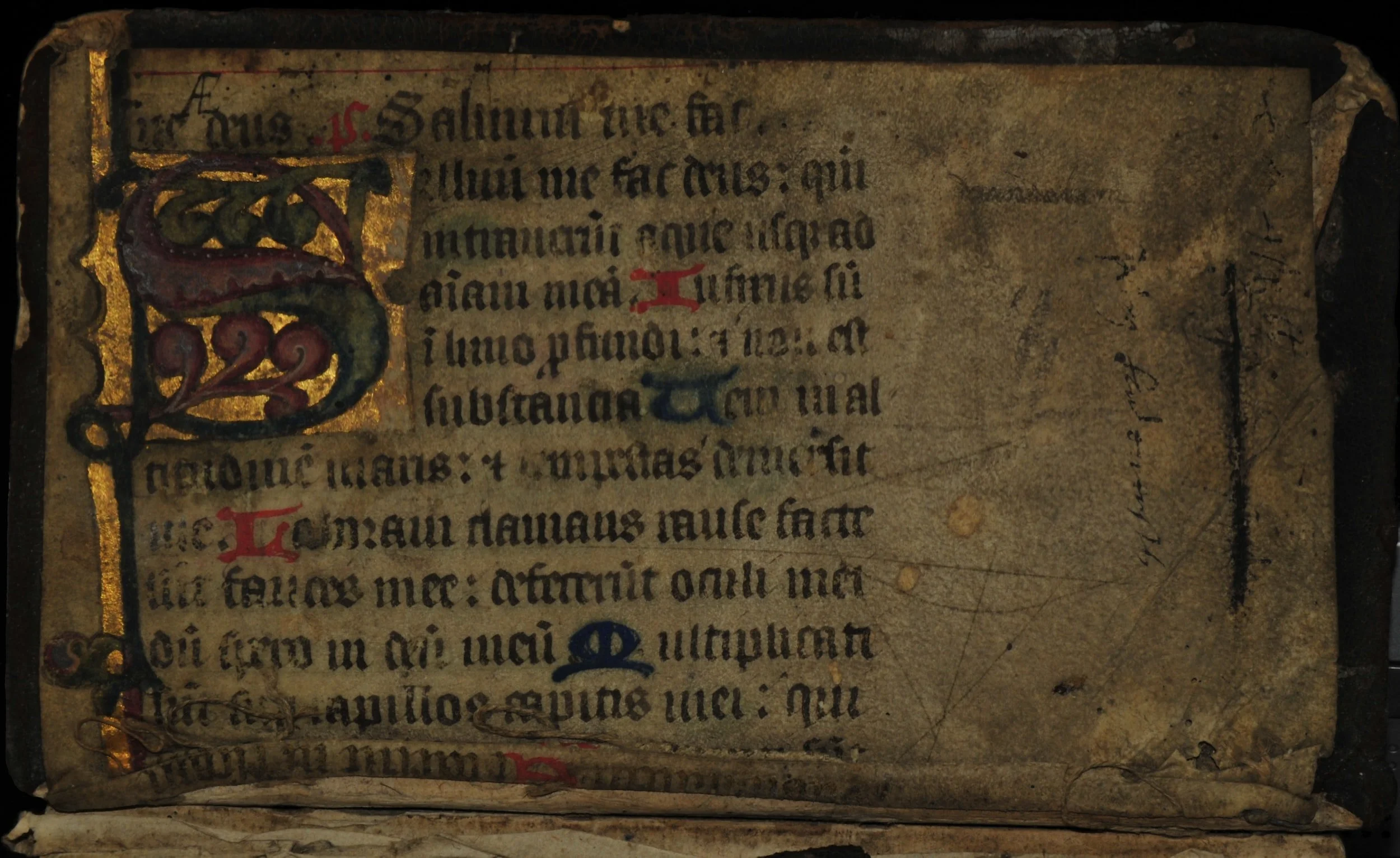
Ever since the rise of modernism, it feels like people have only looked to see such medieval manuscripts in museums or hear about them in lecturers. The beginning of medieval, or illuminated manuscripts were beautiful but so very old and have to be handled with great care. Archaeologists and anthropologists have discovered and studied such manuscripts as a testament to keeping record of humanity’s past forms of writing. But would we ever get to such technological advancements, in forgetting our past, without it? This report explains the creation of how medieval manuscripts came to pass.
NO. 2
From the met museum, ‘Unlike the mass-produced books of our time, an illuminated manuscript is unique, handmade object. In its structure, layout, script, and decoration, every manuscript bears the signs of the unique set of processes and circumstances involved in its production, as it moved successively through the hands of the parchment maker, the scribe, and one or more decorators or illuminators.’’ Illuminated manuscripts began in Ireland after the fall of the western Roman empire. Christianity came to Ireland around 431 A.D, introduced by Palladius and reinforced by the ministry of a Roman Briton named Patricius, or St. Patrick as he’s called today. He was kidnapped at the age of sixteen, and spent six years in captivity before escaping back to Britain. Upon returning, he was met with ‘distrustful druids’, and ‘murderous bandits’, and by bribing tribal kings did he made it out alive.

NO. 3
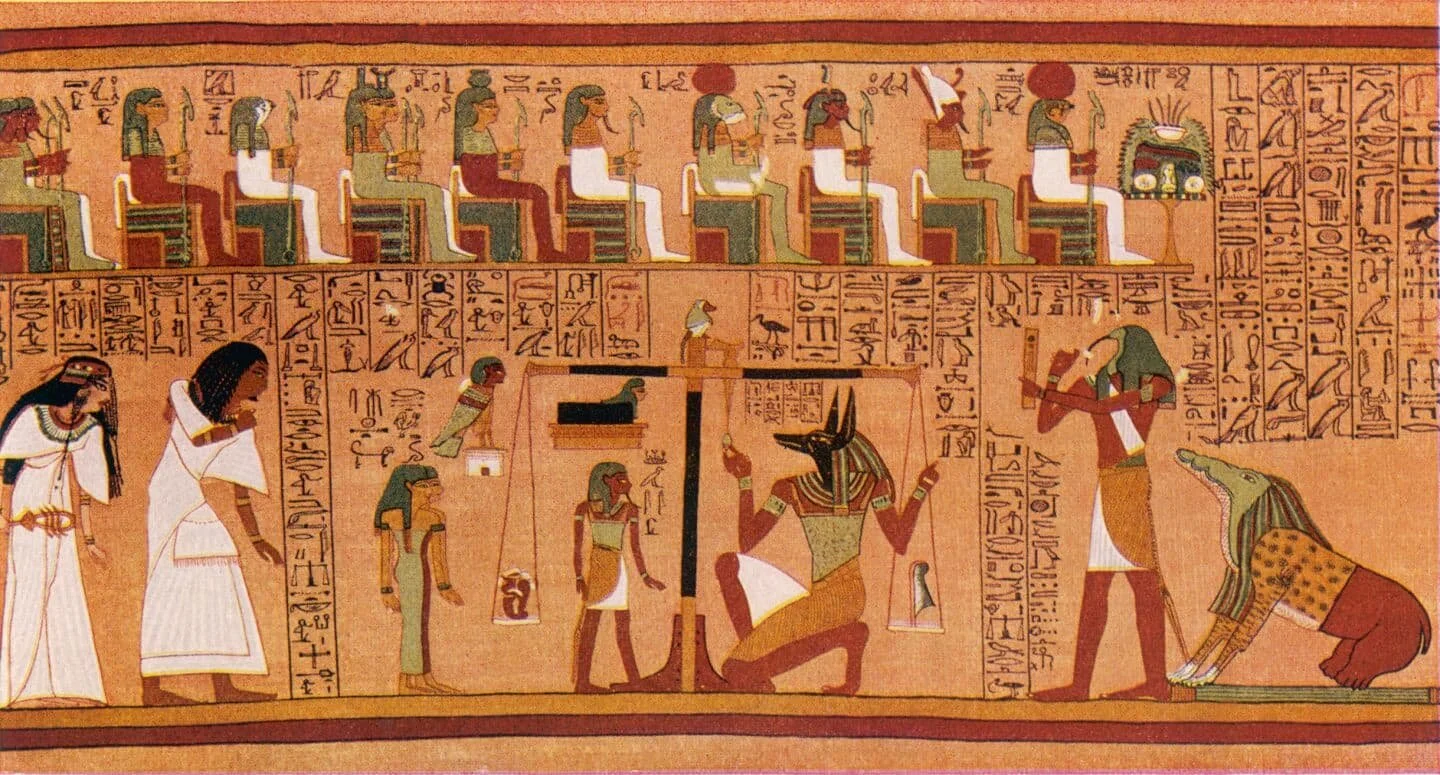
The first illustrated book to be found by archaeologists was the Egyptian ‘Book of the Dead’, a guidebook for the afterlife in which those in question would come face-to-face with the jackal-headed god Anubis, where he would balance their heart against a feather to determine what would become of them. A fortunate soul would either be in the Elysian paradise, the ‘Field of Peace’, or travel the night sky with Ra in his sun-boat, or rule the underworld with Osiris; those less fortunate would be eaten by the chimera-looking god Ammit, the soul-eater, for her body was part crocodile, lion, and hippo. From Keith Houston’s, The Book, ‘’One of the main reasons the Book of the Dead is so well studied is because so many copies have survived, their colorful illustrations intact for Egyptologists to pore over endlessly. And though their subject matter may have been a little monotonous, it is clear that the ancient Egyptians were past masters at the art of illustrating books.’’
NO. 4
Under Charlemagne’s the Great Holy Roman Empire, politics, religion and art flourished. Monks filled their libraries with tens to thousands of volumes, where they borrowed and copied books to expand their holdings and occasionally to sell to laypeople, and those who wrote and collected realized the importance of illustration was towards a society of illiterate people. The monks who were in charge of the survival of Europe’s history were very vocal about physical maladies and working conditions. The dismal chambers were called ‘scriptoria’ or the writing rooms, which was the most important features of a medieval monastery, other than the Church itself. But society within the empire was transformed. Skilled peasants were leaving their rural homes for towns and cities, while the cities themselves, such as Johannes Gutenberg’s hometown of Mainz fought to eke out some measure of independence from the old feudal aristocracy. Money was assuming a progressively larger role, and it spoke louder than an inherited title. Always a reflection of the societies that had made them, books were changing in response. Gutenberg’s printing press, which churned out books too rapidly for them to be illustrated by hand, is often blamed for killing off the illuminated manuscript.